
 Made in the Netherlands
 Free product of your choice with orders over €75,-




MSM GC, MSM GC Plus and MSM GC Vegan. Three product names that mean very…

Green-lipped mussel oil: Origin, action and application
Disclaimer: The information on this page is intended for educational purposes and does not replace medical advice. No health claims may be made about this product. When in doubt, always consult a physician or specialist.
Table of contents
- The origin of green-lipped mussel oil
- Sustainable mussel farming
- The development of green-lipped mussel oil
- Fatty acid fraction as an active component
- Furanic fatty acids: the key component
- Innovative production process
- Composition of green-lipped mussel oil
- Usage and dosage
- Frequently Asked Questions
The origin of green-lipped mussel oil
Green-lipped mussel oil is a natural oil extracted from the New Zealand green-lipped mussel(Perna canaliculus). This mussel is found exclusively in the clean coastal waters of New Zealand. The Maoris have used this mussel for generations. Statistics show that coastal Maoris are less likely to develop certain diseases than inland populations. One possible explanation is the frequent use of green-lipped mussels in their diet.
Sustainable mussel farming
Today, the mussels are sustainably cultivated in so-called hanging cultures: ropes suspended from floating decks into the sea. As a result, the mussels grow up in their natural habitat and feed on plankton from the clear seawater.
The development of green-lipped mussel oil
In the 1970s, scientists from the UK, Australia and Japan, among others, investigated the effects of the green-lipped mussel. Initially, the results were disappointing. Despite this, the Australian company McFarlane Laboratories marketed a powdered supplement, leading to criticism from the medical community.
A breakthrough came in 1984 thanks to research by Professor Takuo Kosuge, who discovered that the powder oxidized rapidly in contact with air. A Japanese preservation technique using tartaric acid (tartaric acid), inspired by fishing practices, allowed better preservation of the active ingredient. This led to a patented manufacturing process.
Fatty acid fraction as an active component
In the early 1990s, Dr. Henry Betts of the Queen Elizabeth Hospital in Adelaide discovered that the fatty acid fraction of the mussel contained the most biologically active component. From then on, attention shifted from powder to oil.
Furanic fatty acids: the key component
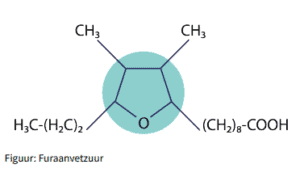
Recent research indicates that furan fatty acids, a unique group of omega-3 fatty acids derived from algae, are the main active ingredients in green-lipped mussel oil. These fatty acids accumulate in mussel tissue after mussels filter plankton from seawater.
Innovative production process
The efficacy of green-lipped mussel oil depends on a precisely controlled manufacturing process:
- Stabilization immediately after harvest: To prevent oxidation.
- Freeze-drying and oil extraction: to keep the oil with active fatty acids intact.
Composition of green-lipped mussel oil
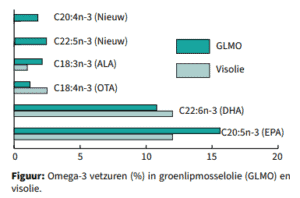
Omega-3 fatty acids
In addition to EPA and DHA, GLMO contains rare omega-3 fatty acids that may additionally contribute to function.
Phospholipids
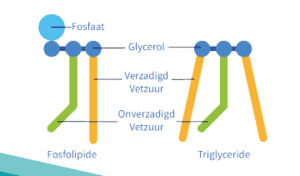
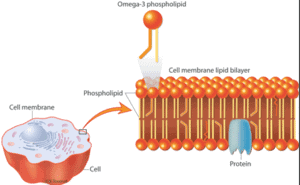
80% of the fatty acids in GLMO are bound as phospholipids (unlike fish oil, which contains mostly triglycerides). Phospholipids do not need to be broken down in the body first, which improves absorption.
Asthma and allergies
Because GLMO contains no protein, the risk of an allergic reaction (such as shellfish allergy) is lower than with extracts or powders. However, people with asthma or allergies should always exercise caution and consult their physician if necessary.
In the early 1990s, Dr. Henry Betts of the Queen Elizabeth Hospital in Adelaide discovered that the fatty acid fraction of the mussel contained the most biologically active component. From then on, attention shifted from powder to oil.
Usage and dosage
Initial dosage
When using green-lipped mussel oil (GLMO) in a therapeutic indication, it is advisable to start with a higher initial dosage. Experience shows that a six-week build-up phase with five capsules per day produces good results. These capsules are best taken immediately after a meal.
Maintenance dosage
For a maintenance dosage, it is recommended in adults to take 2 softgels twice daily with a meal for 4-6 weeks. Thereafter, the dosage may be reduced to 1 softgel twice daily, or as advised by a specialist.
For children, the dosage is adjusted based on body weight. A common guideline is to calculate the amount in proportion to an adult dosage. For example, a child weighing 35 kg usually gets half the adult dosage. This means, for example, 1 softgel per day. In younger or lighter children, the dosage can be further reduced. When in doubt, always consult a doctor or specialist.
Note: This product is not suitable for people with mollusc or shellfish allergies. Use during pregnancy or lactation is not recommended unless advised by a physician.
Frequently asked questions about Green-lipped mussel oil
- Which is better: oil or powder?
Oil contains the main active ingredients, such as furan fatty acids and rare omega-3s. Powder is often largely defatted and contains little to no active ingredients. Some manufacturers claim that powder is rich in glucosamine and chondroitin, but it usually contains less than 3% GAGs of which only a fraction is biologically active. - How fast does Green-lipped mussel oil work?
Most people notice an improvement in their symptoms within 4 to 6 weeks. - Can I combine Green-lipped mussel oil with other supplements or medications?
In many cases, yes. Do you use blood thinners, anti-inflammatories or immunosuppressants? If so, consult with a doctor or therapist first. - Is Green-lipped mussel oil suitable for long-term use?
Yes, green-lipped mussel oil can safely be used long-term as a maintenance dosage. - Are there quality differences between brands?
Certainly. Pay attention to whether the product is stabilized against oxidation; is sustainably produced; is based on scientific research; and actually contains green-lipped mussel oil rather than powder or extract. - What is the recommended dosage after surgery?
Start with 4 capsules per day for 6 weeks. After that, switch to a lower maintenance dosage.
Resources
- Wakimoto et al. (2011). Furan fatty acid as an anti-inflammatory component from the green-lipped mussel Perna canaliculus. PNAS, 108(42), 17533-17537. https://doi.org/10.1073/pnas.1110577108
About the author
Bente Klein Breteler is an orthomolecular therapist and skin therapist, with a special interest in nutrition and health. She is currently taking the Master’s degree in Nutritionand Health at the Free University of Amsterdam. From her scientific background and practical experience, she writes accessible, informed blogs about nutrition and health, with a focus on natural interventions.
Related Posts