
 Made in the Netherlands
 Free product of your choice with orders over €75,-






MSM GC, MSM GC Plus and MSM GC Vegan. Three product names that mean very…
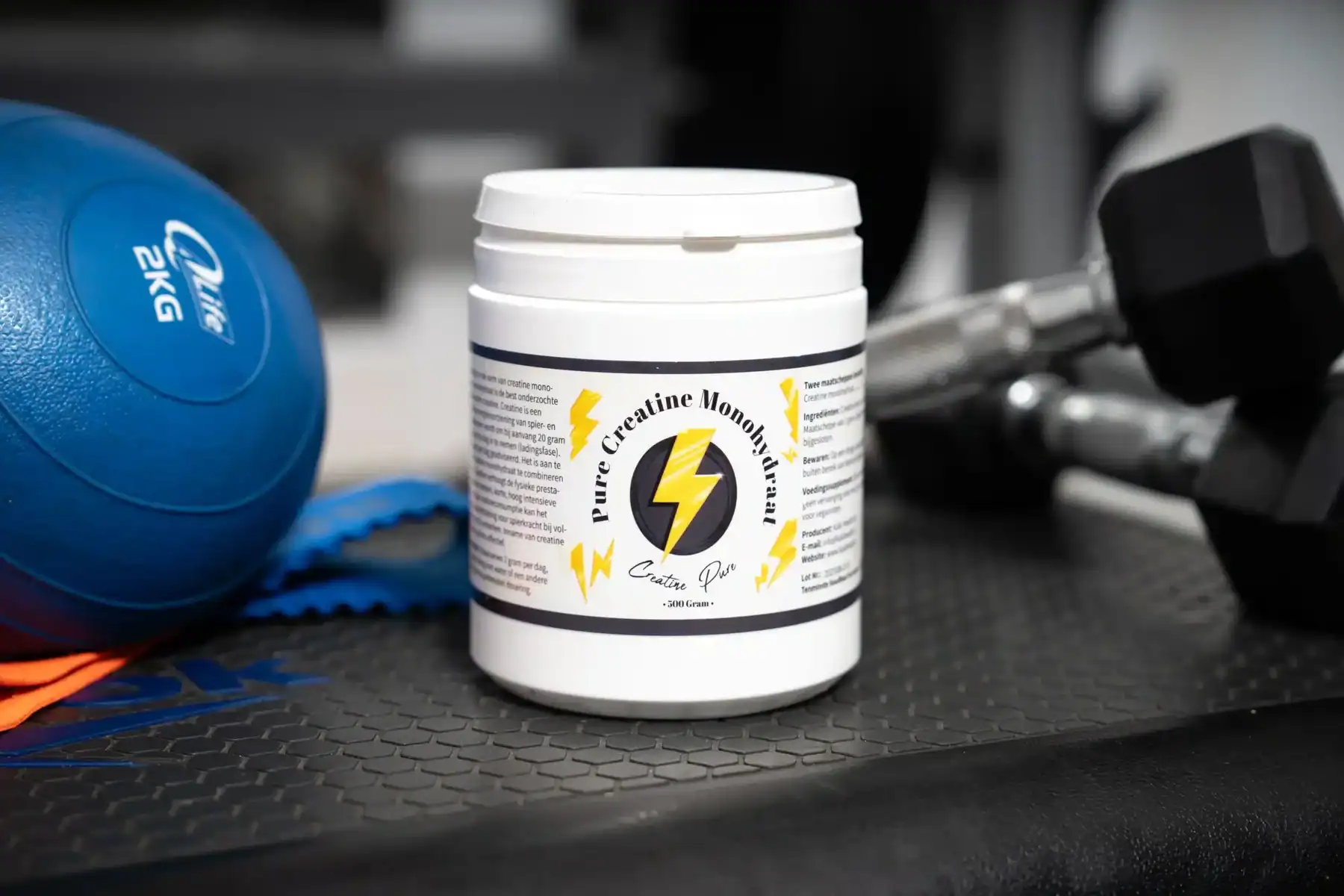
All about creatine: What is it and what does it do for your body?
Creatine is one of the most researched and used supplements among athletes and bodybuilders. But what exactly is creatine, and what does it actually do in your body? In this blog we clearly explain how creatine works, how much you need per day, and which form is the best absorbed.
What is creatine?
Creatine is an endogenous substance stored mainly in the muscles. It plays an important role in providing energy during short, explosive efforts such as sprinting, strength training or intense interval training. Although your body makes its own creatine, supplementation with creatine is a popular and science-based way to noticeably improve performance.
Dietary sources of creatine
Creatine occurs naturally in animal products such as red meat, fish and poultry. Although these food sources contain small amounts of creatine, in practice it is difficult to get enough creatine through food alone to experience the performance-enhancing effects. For example, a serving of steak contains only about 1 gram of creatine, while athletes often need 3 to 5 grams per day for effect.
How exactly does creatine work in the body?
Creatine acts as a direct source of energy at the cellular level. In muscle, creatine is converted into phosphocreatine, a substance that helps regenerate adenosine triphosphate (ATP) the primary energy carrier in muscle cells. During short, intense efforts such as sprinting or strength training, the supply of ATP is quickly depleted. Phosphocreatine ensures that this energy source is replenished at lightning speed, helping your muscles continue to perform better under high loads (Cooper et al., 2012).
Supplementation increases the total creatine supply in muscle tissue, leading not only to improved explosive power, but also to faster muscle recovery capacity. In addition, there is evidence that creatine may indirectly contribute to muscle growth by increasing training volume and stimulating muscle cell hydration. This is an important growth stimulus in resistance training (Kreider et al., 2017).
What does creatine monohydrate do for your performance?
Creatine monohydrate offers an efficient and reliable way to support your physical performance. Using creatine monohydrate:
- Increases physical performance during successive, short, intense efforts (Cooper et al., 2012).
- Enhances the effect of resistance training on muscle strength in adults over 55 years of age (Cooper et al., 2012).
The effect of creatine monohydrate has been extensively researched. It is widely regarded as the best proven form of creatine supplementation. Scientific research indicates that supplementation can contribute to:
- Improved muscle strength and explosiveness
- Better training results
- Support of muscle function in aging adults
For many athletes and recreational users alike, creatine not only means better performance in the gym, but also greater ease in daily movements.
How much creatine per day is effective?
The standard dosage for creatine monohydrate is usually:
- 3 to 5 grams per day as a maintenance dosage
- 20 grams per day for 5-7 days as a “loading phase” (divided into 4 intakes per day)
The maintenance dosage is often sufficient to support performance. The loading phase can help increase muscle creatine stores more quickly, but is not necessary. To use creatine, consistent intake is important, preferably with a meal. This ensures optimal absorption.
Please note that creatine is safe under normal use, butuik, but drink plenty of water during supplementation.
Are there better forms than creatine monohydrate?
In addition to creatine monohydrate, there are several alternative forms on the market, such as creatine hydrochloride (HCl), creatine ethyl ester, magnesium chelate and creatine malate. These are often promoted as “faster absorbing” or “less stressful on the stomach. But what does independent research say?
| Creatine form | Effectiveness & absorption | Evidence | Comment |
| Creatine monohydrate | Excellent absorption, effective | Strong | Most researched, safe and affordable |
| Creatine hydrochloride (HCl) | Possibly better solubility, same effect | Insufficient | No convincing advantage over monohydrate |
| Creatine ethyl ester | Rapid breakdown, less muscle storage | Insufficient | Lower effectiveness than monohydrate |
| Magnesium chelate | Limited research, similar result | Weak | More expensive, little evidence of additional benefits |
| Creatine malate | Barely studied, often with citric acid | Insufficient | Unknown added value over monohydrate |
Conclusion
Although multiple forms of creatine are available, creatine monohydrate remains the best-supported choice. It is extensively researched, effective at low doses and safe with long-term use. Other variants are often positioned as “advanced,” but in practice provide no measurable benefit that has been conclusively demonstrated scientifically.
Those who choose creatine monohydrate choose simplicity, reliability and proven results.
Resources
- Cooper, R., Naclerio, F., Allgrove, J., & Jimenez, A. (2012). Creatine supplementation with specific view to exercise/sports performance: an update. Journal of the International Society of Sports Nutrition, 9(1), 33. https://doi.org/10.1186/1550-2783-9-33
- Eghbali, E., Mogharnasi, M., Mohammadi, H., & Ghasemi, A. (2024). Effects of creatine monohydrate and creatine hydrochloride supplementation on strength and hormonal adaptation following resistance training: A randomized controlled trial. Frontiers in Nutrition, 11, 1305912. https://doi.org/10.3389/fnut.2024.1305912
- Kreider, R. B., Kalman, D. S., Antonio, J., Ziegenfuss, T. N., Wildman, R., Collins, R., & Lopez, H. L. (2017). International Society of Sports Nutrition position stand: safety and efficacy of creatine supplementation in exercise, sport, and medicine. Journal of the International Society of Sports Nutrition, 14(1), 18. https://doi.org/10.1186/s12970-017-0173-z
On health claims and our limits as a brand
Although many of our ingredients have been extensively researched, due to European legislation we are not allowed to mention on this website all the health benefits shown by scientific studies.
Would you like to know more about our products or formulas? We are happy to think along with you without any obligation.
Call us at (+31) (0)70 345-0290
Onze producten
Voor een gezonde levensstijl
-
 Select options This product has multiple variants. The options may be chosen on the product page
OptiMSM® Powder
 250, 500, 1.000 or 5.000 gramFrom: € 29,95
 -
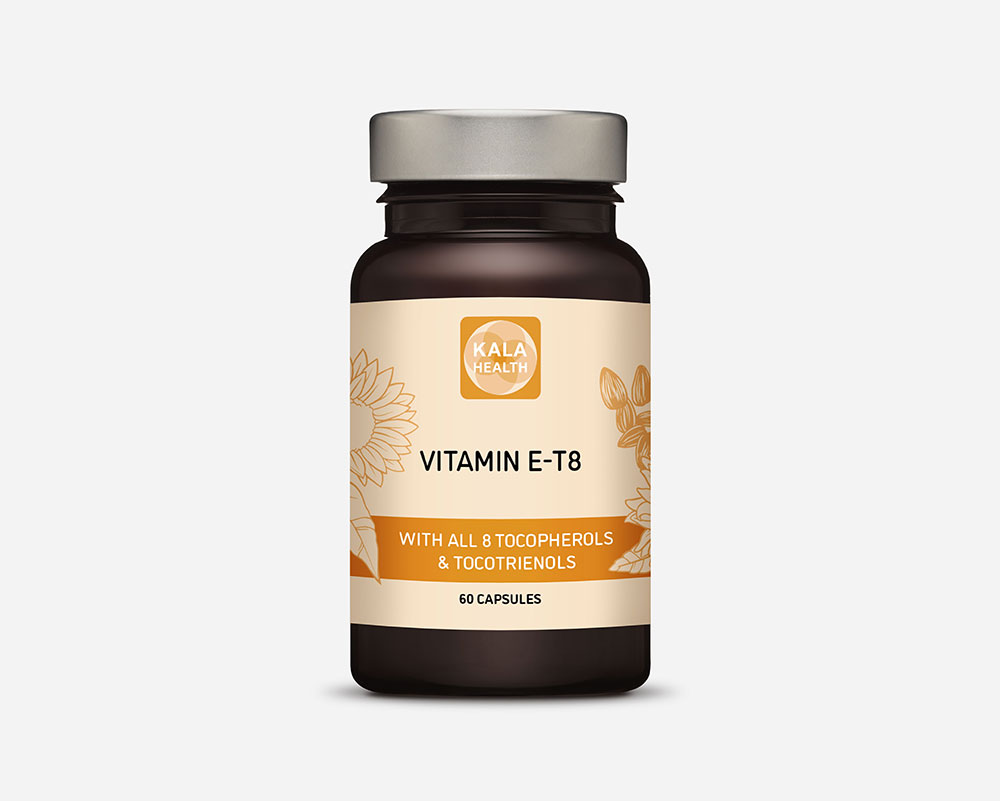 Select options This product has multiple variants. The options may be chosen on the product page
Vitamin E T8 Complete
 60 or 180 softgelsFrom: € 44,95
 -
 Select options This product has multiple variants. The options may be chosen on the product page
OptiMSM® Gel
 200mlFrom: € 19,95
 -
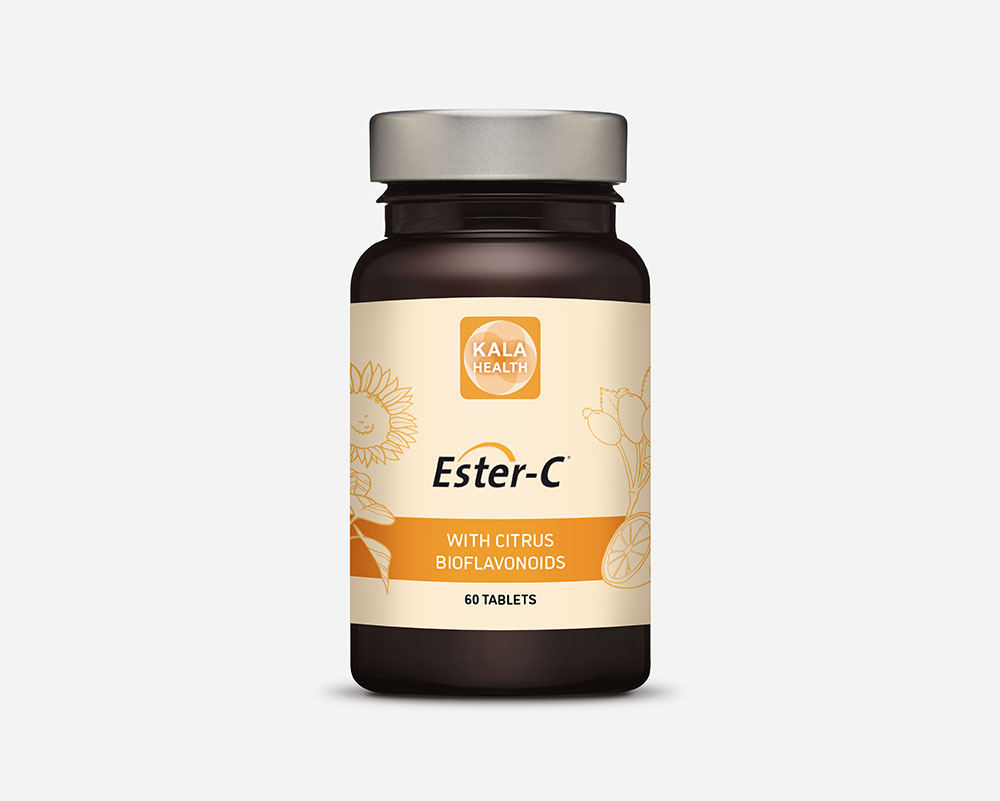 Select options This product has multiple variants. The options may be chosen on the product page
Vitamin C Ester-C
 60 or 180 tabletsFrom: € 34,95
 -
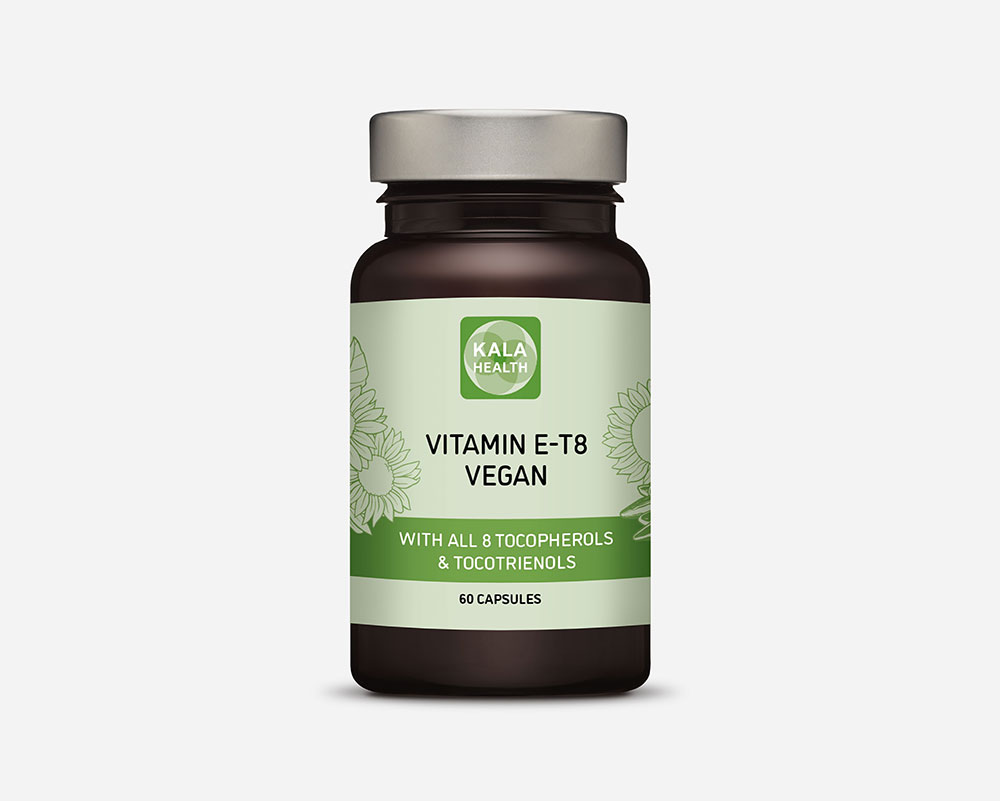 Select options This product has multiple variants. The options may be chosen on the product page
Vitamin E T8 Vegan
 60 or 180 licaps®From: € 39,95
 -
 Select options This product has multiple variants. The options may be chosen on the product page
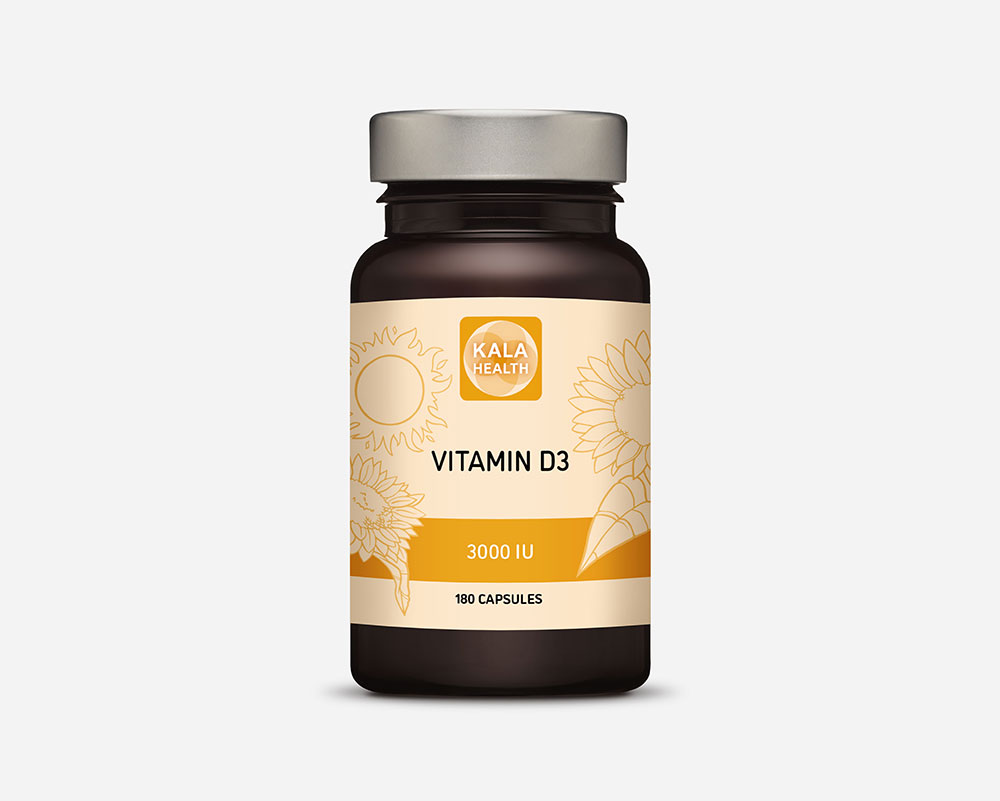
Vitamin D3 3000 IU
180 or 365 softgelsFrom: € 24,95 -
 Select options This product has multiple variants. The options may be chosen on the product page
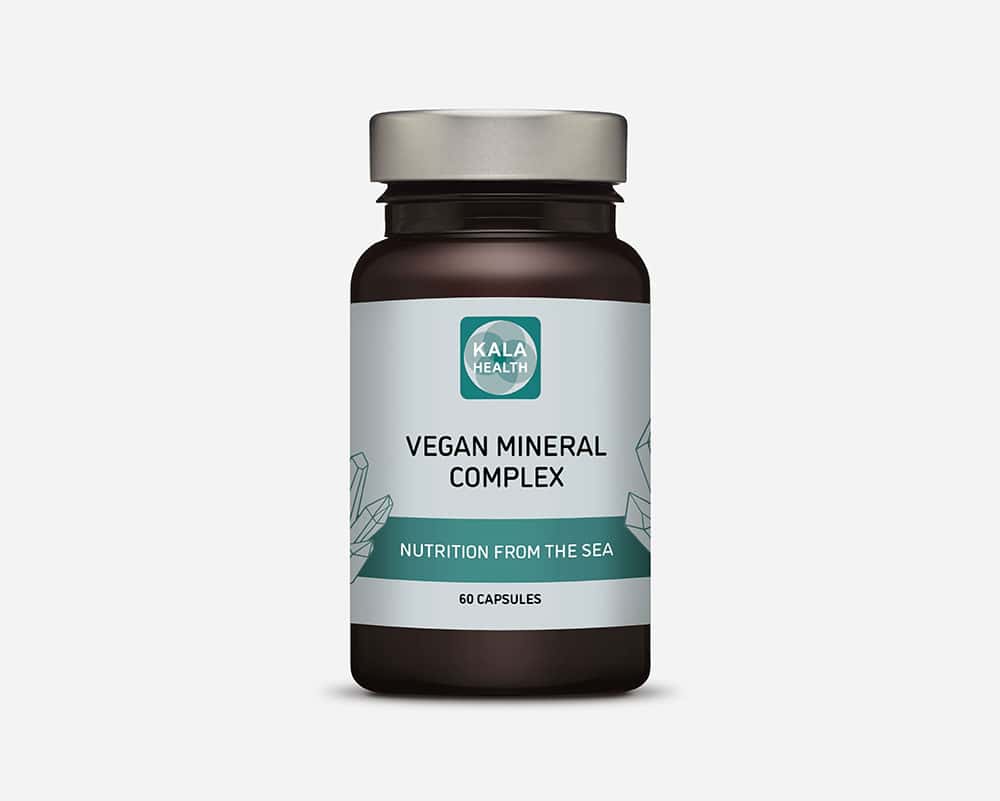
Vegan Mineral Complex
 60 or 180 capsulesFrom: € 24,95
 -
 Select options This product has multiple variants. The options may be chosen on the product page
Vegan Mushroom Mix BIO
60 or 180 capsulesFrom: € 34,95 -
 Select options This product has multiple variants. The options may be chosen on the product page
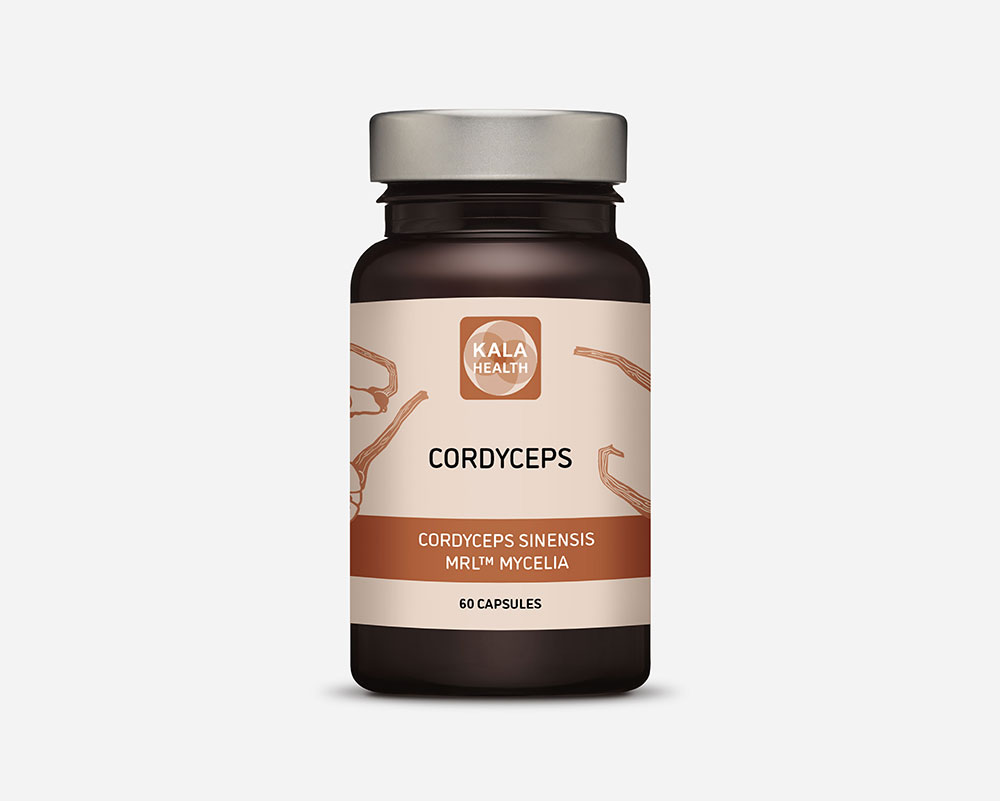
Cordyceps Vegan Capsules BIO
60 or 180 capsulesFrom: € 34,95 -
 Select options This product has multiple variants. The options may be chosen on the product page
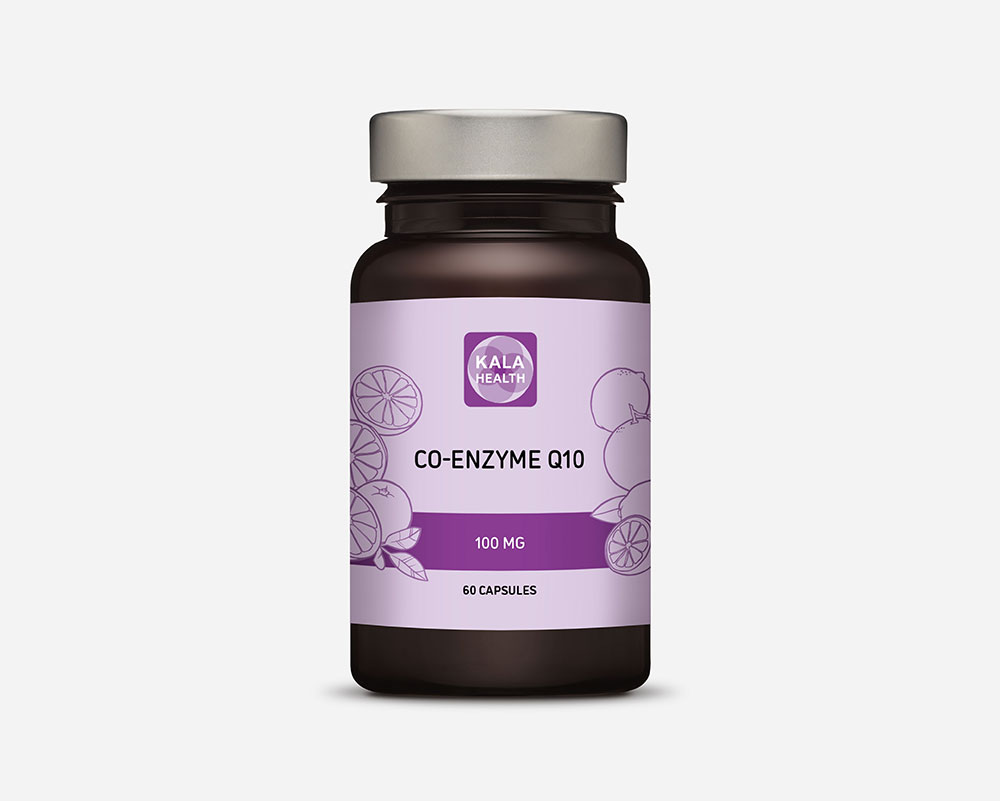
Coenzyme Q10
60 or 180 softgelsFrom: € 34,95 -
 Select options This product has multiple variants. The options may be chosen on the product page
Astaxanthin
60 or 180 softgelsFrom: € 34,95 -
 Select options This product has multiple variants. The options may be chosen on the product page
MSMGC Plus Capsules
60 or 180 capsulesFrom: € 39,95 -
 Select options This product has multiple variants. The options may be chosen on the product page
Natural Enzymes
60 or 180 Digestive Enzymes CapsulesFrom: € 29,95 -
 Select options This product has multiple variants. The options may be chosen on the product page
OptiMSM® Capsules
60 or 180 capsulesFrom: € 24,95 -
 Select options This product has multiple variants. The options may be chosen on the product page
MSMGC Tablets
60 or 180 tabletsFrom: € 24,95 -
 Select options This product has multiple variants. The options may be chosen on the product page
Vegan MSMGC Capsules
60 or 180 CapsulesFrom: € 49,95 -
 Select options This product has multiple variants. The options may be chosen on the product page
Glucosamine (NaturGlux®) Powder
500, 1.000 or 5.000 gramFrom: € 29,95 -
 Select options This product has multiple variants. The options may be chosen on the product page
Krill oil
60 or 180 SoftgelsFrom: € 24,95 -
 Select options This product has multiple variants. The options may be chosen on the product page
Green-lipped mussel oil (Aspitol®)
60 or 180 softgelsFrom: € 39,95 -
 Select options This product has multiple variants. The options may be chosen on the product page
Vegan Omega 3
60 or 180 softgelsFrom: € 49,95 -
 Select options This product has multiple variants. The options may be chosen on the product page
Skin Hair Nails
60 or 180 capsulesFrom: € 34,95 -
 Select options This product has multiple variants. The options may be chosen on the product page
Vegan Digestive Fibers
60 or 180 capsulesFrom: € 29,95 -
 Select options This product has multiple variants. The options may be chosen on the product page
OptiMSM® Tablets
60 or 180 tabletsFrom: € 14,95 -
 Select options This product has multiple variants. The options may be chosen on the product page
Natural Multivitamin
60 or 180 capsulesFrom: € 34,95 -
 Select options This product has multiple variants. The options may be chosen on the product page
Vitamin C powder
100, 500, 1.000 or 5.000 gramFrom: € 15,95 -
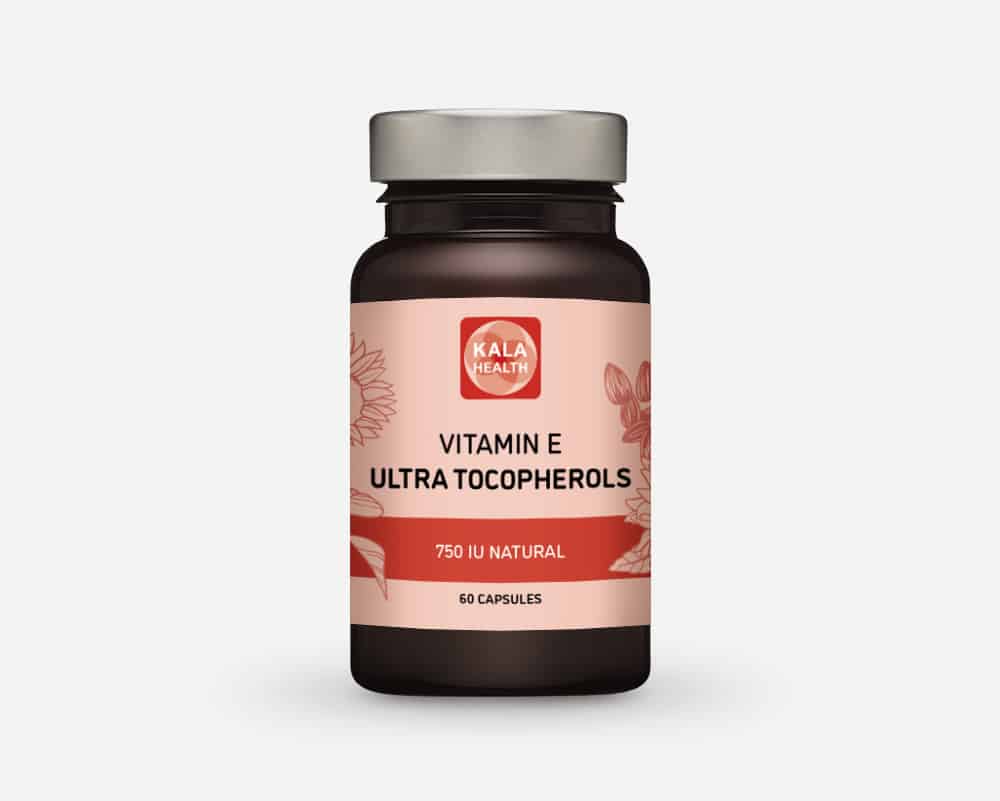 Select options This product has multiple variants. The options may be chosen on the product page
Vitamin E Ultra Tocopherols
60 or 180 Licaps®From: € 29,95 -
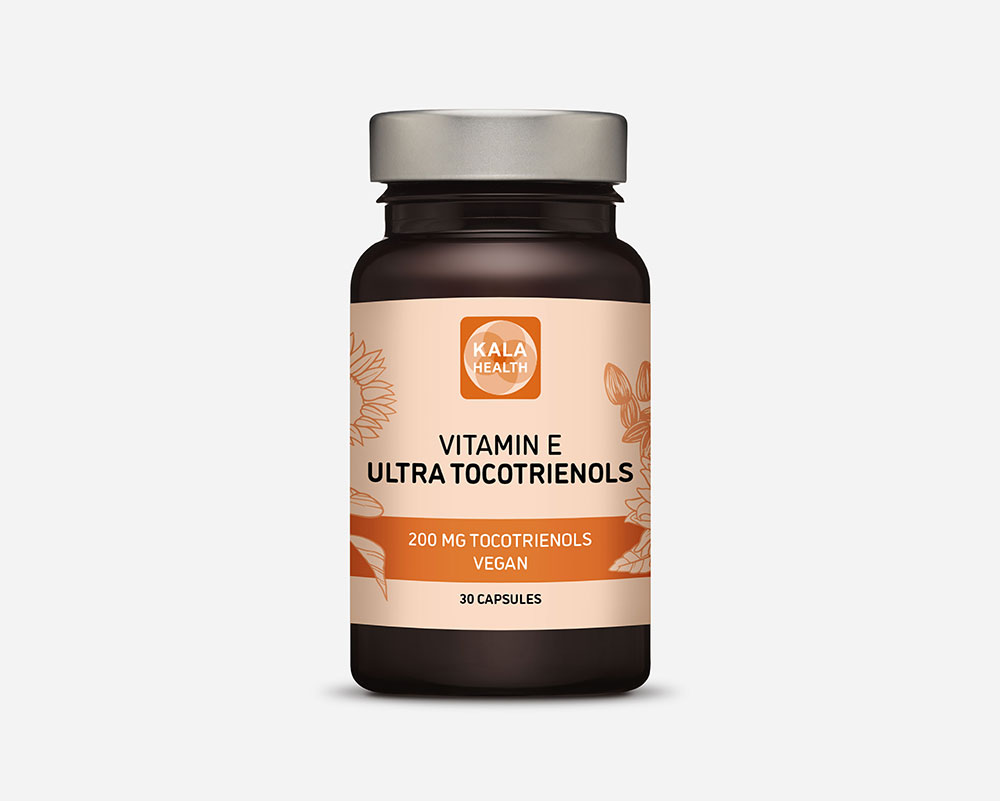 Select options This product has multiple variants. The options may be chosen on the product page
Vitamin E Ultra Tocotrienol
30, 60 or 180 licaps®From: € 49,95 -
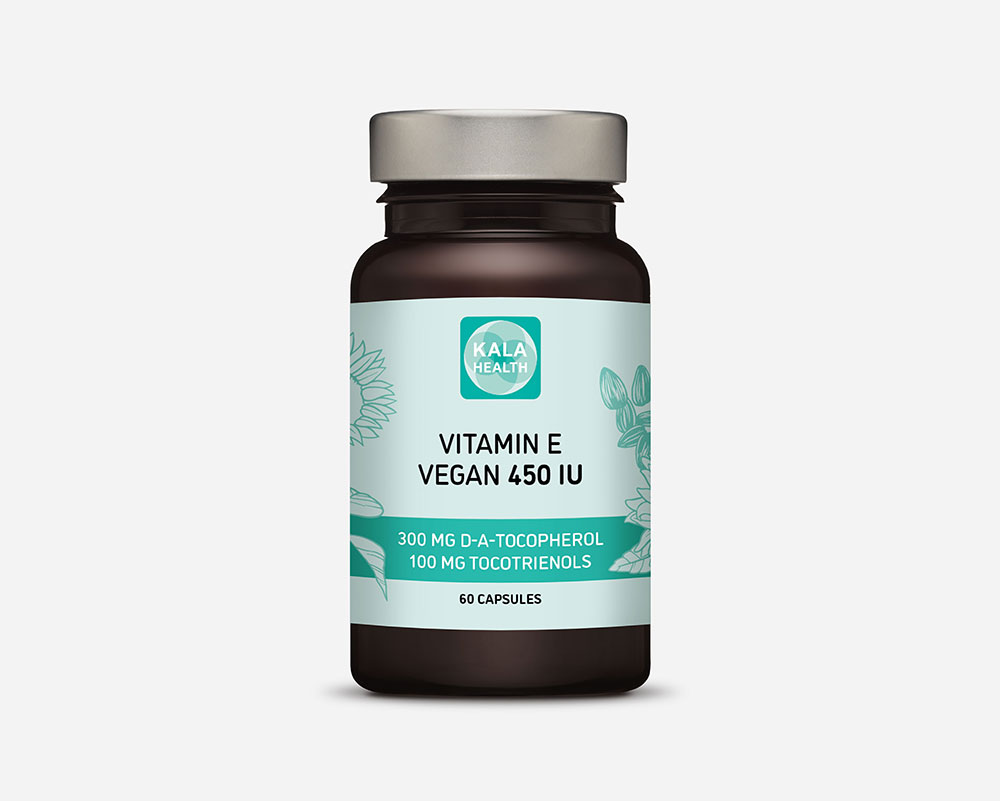 Select options This product has multiple variants. The options may be chosen on the product page
Vitamin E Strong 450IU/100mg
60 or 180 licaps®From: € 49,95 -
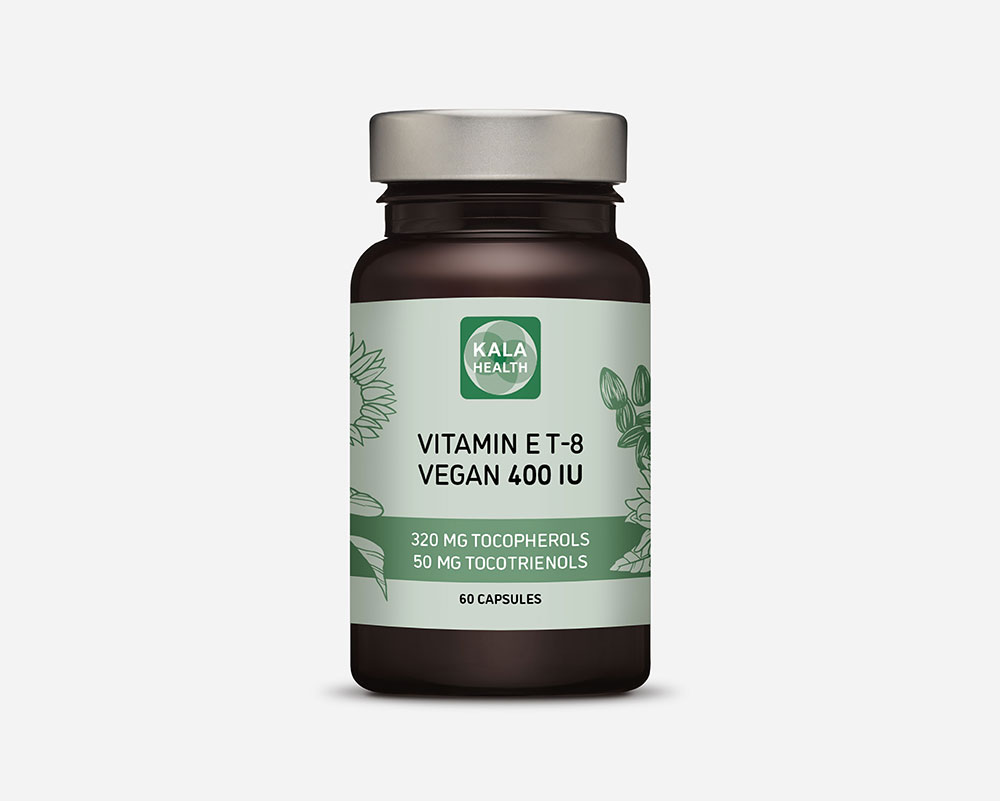 Select options This product has multiple variants. The options may be chosen on the product page
Vitamin E T8 MAX 400IU/50mg
60 or 180 licaps®From: € 44,95 -
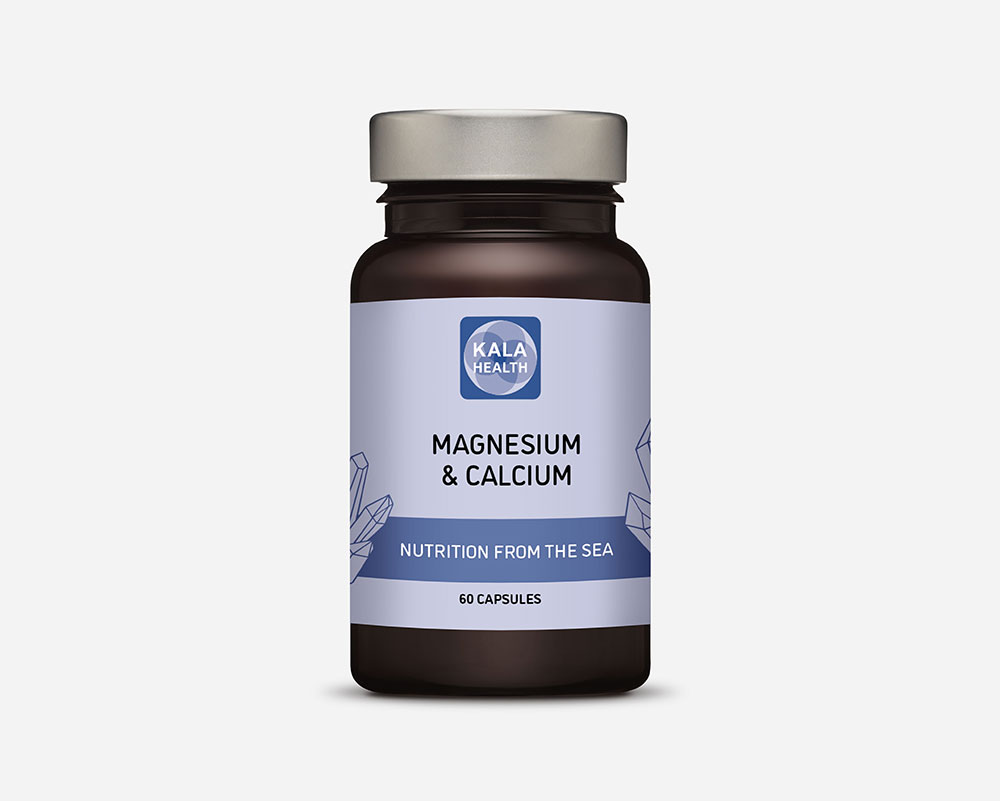 Select options This product has multiple variants. The options may be chosen on the product page
Magnesium & Calcium
60 or 180 capsulesFrom: € 24,95 -
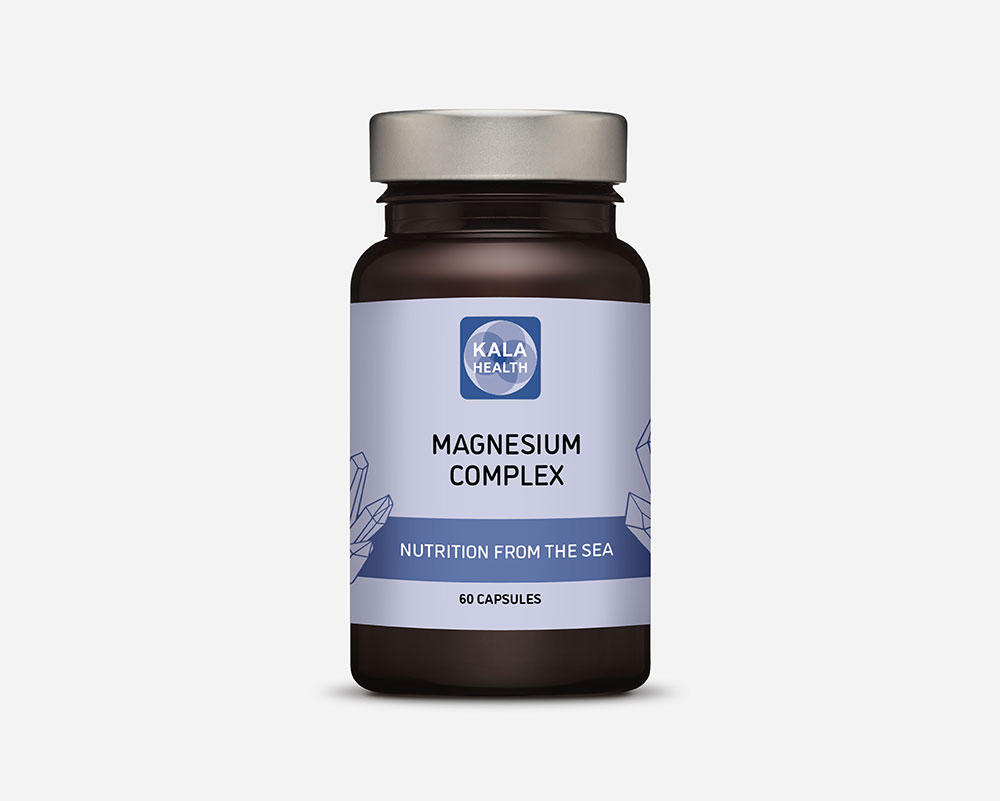 Select options This product has multiple variants. The options may be chosen on the product page
Magnesium Complex
60 or 180 capsulesFrom: € 24,95 -
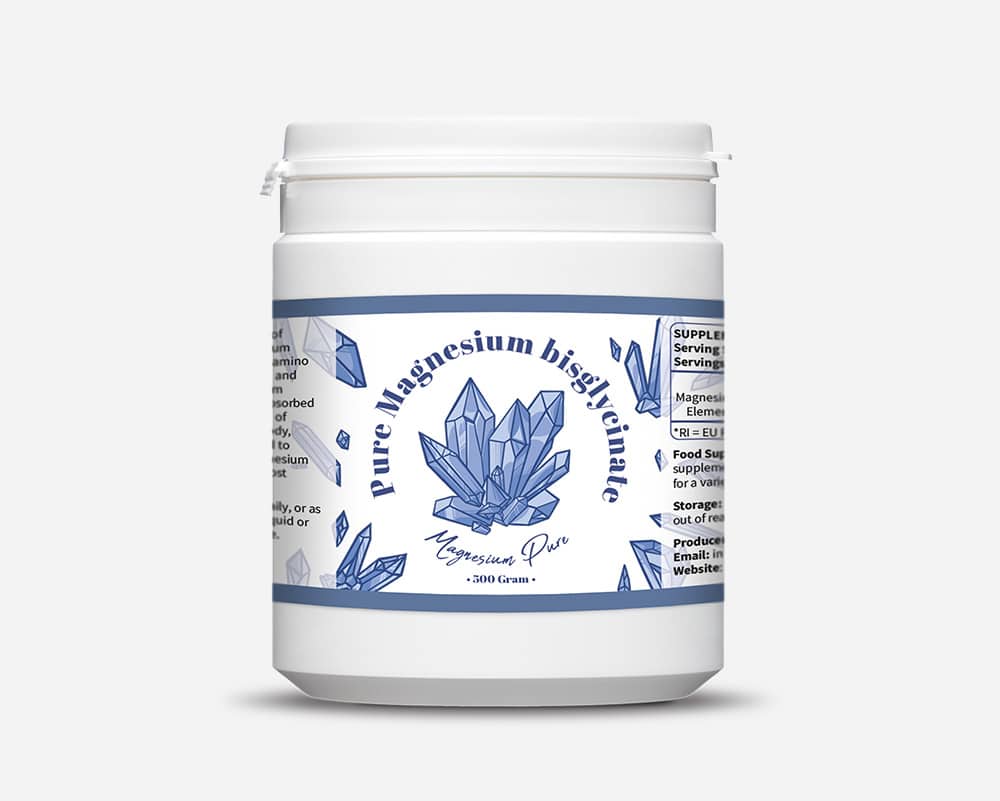 Select options This product has multiple variants. The options may be chosen on the product page
Magnesium Bisglycinate Powder
500 or 1,000 grams From: € 29,95 -
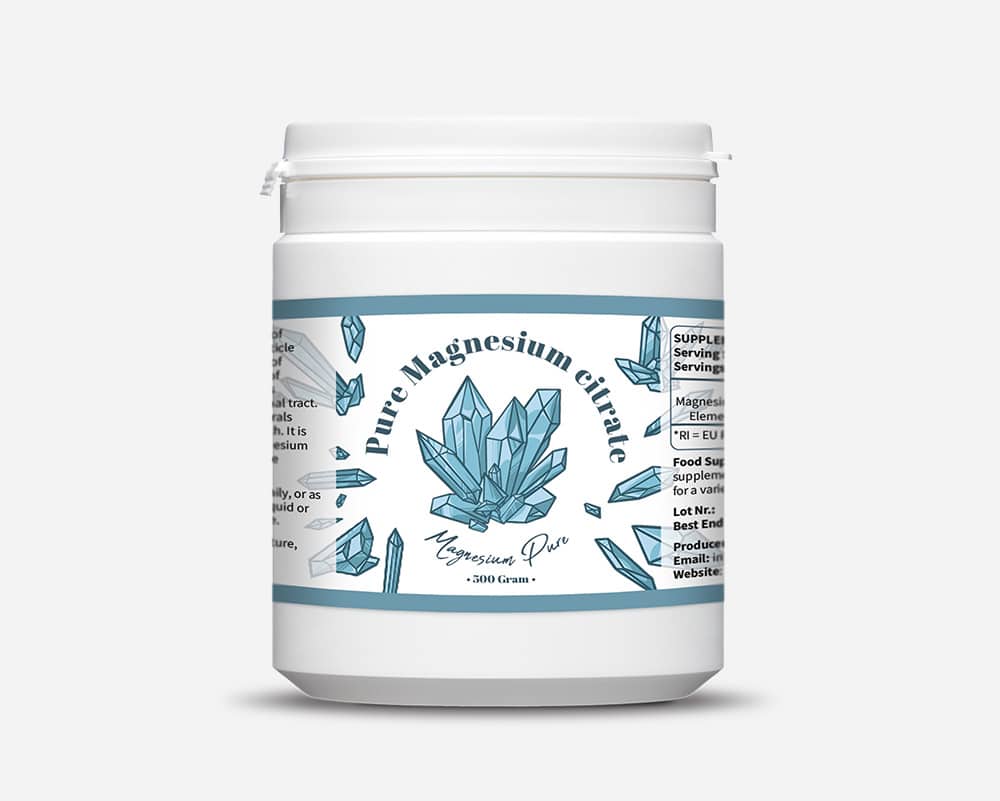 Select options This product has multiple variants. The options may be chosen on the product page
Magnesium Citrate Powder
500 or 1000 gramFrom: € 34,95 -
Sale
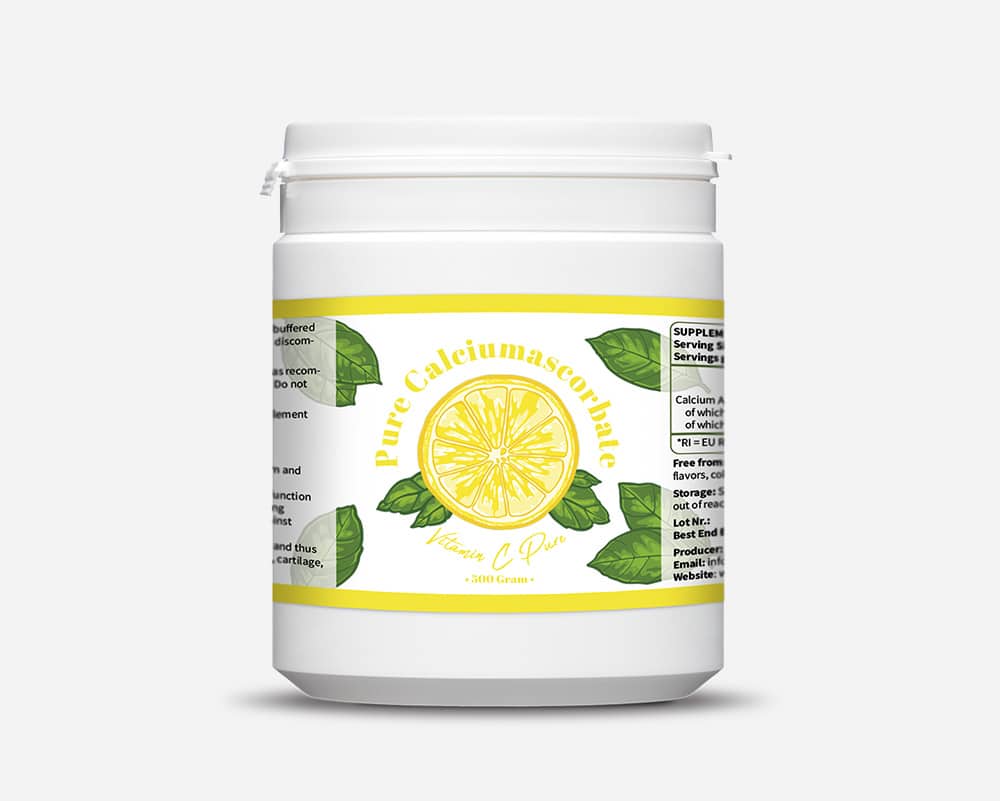 Select options This product has multiple variants. The options may be chosen on the product page
Calcium Ascorbate Powder
500 or 1000 gram From: € 19,95€ 12,95 -
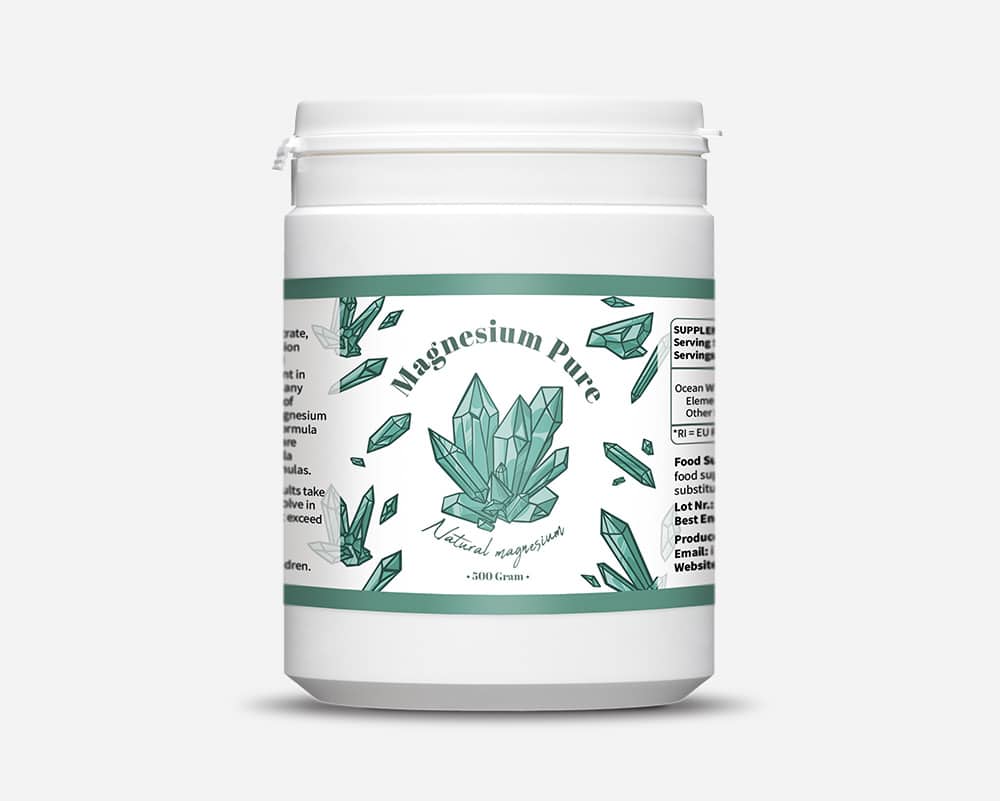 Select options This product has multiple variants. The options may be chosen on the product page
Magnesium Complex Powder
500 or 1000 gramFrom: € 44,95 -
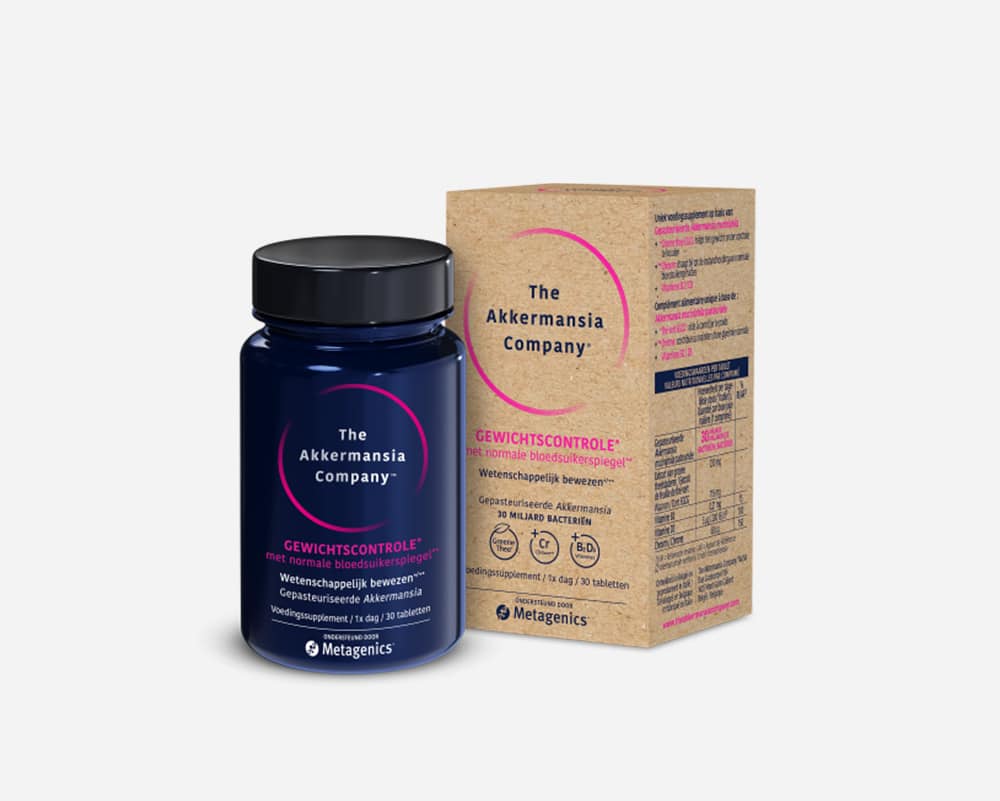 Select options This product has multiple variants. The options may be chosen on the product page
The Akkermansia Company® Weight Control
30 TabletsFrom: € 59,95 -
 Select options This product has multiple variants. The options may be chosen on the product page
Liposomal Ester-C®
60 or 180 capsulesFrom: € 44,95 -
 Select options This product has multiple variants. The options may be chosen on the product page
Magnesium Bisglycinate Tablets 200 mg
60 or 180 tabletsFrom: € 18,95 -
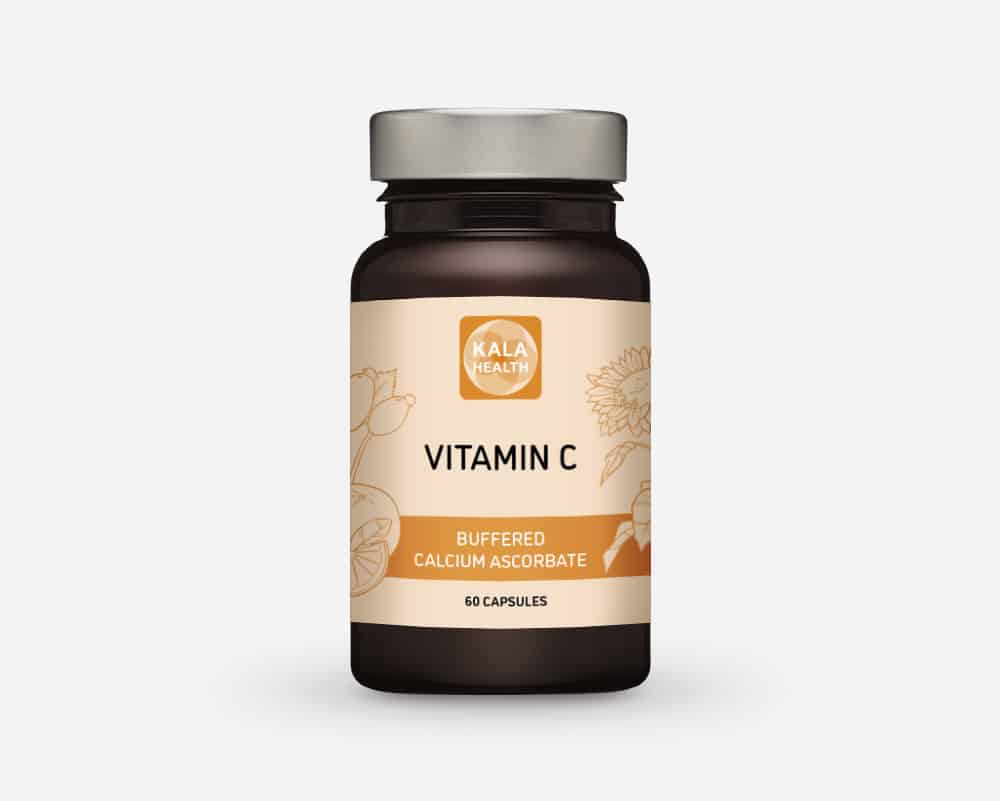 Select options This product has multiple variants. The options may be chosen on the product page
Calcium Ascorbate 600 mg
60, 180 or 365 capsulesFrom: € 19,95 -
Sale
 Select options This product has multiple variants. The options may be chosen on the product page
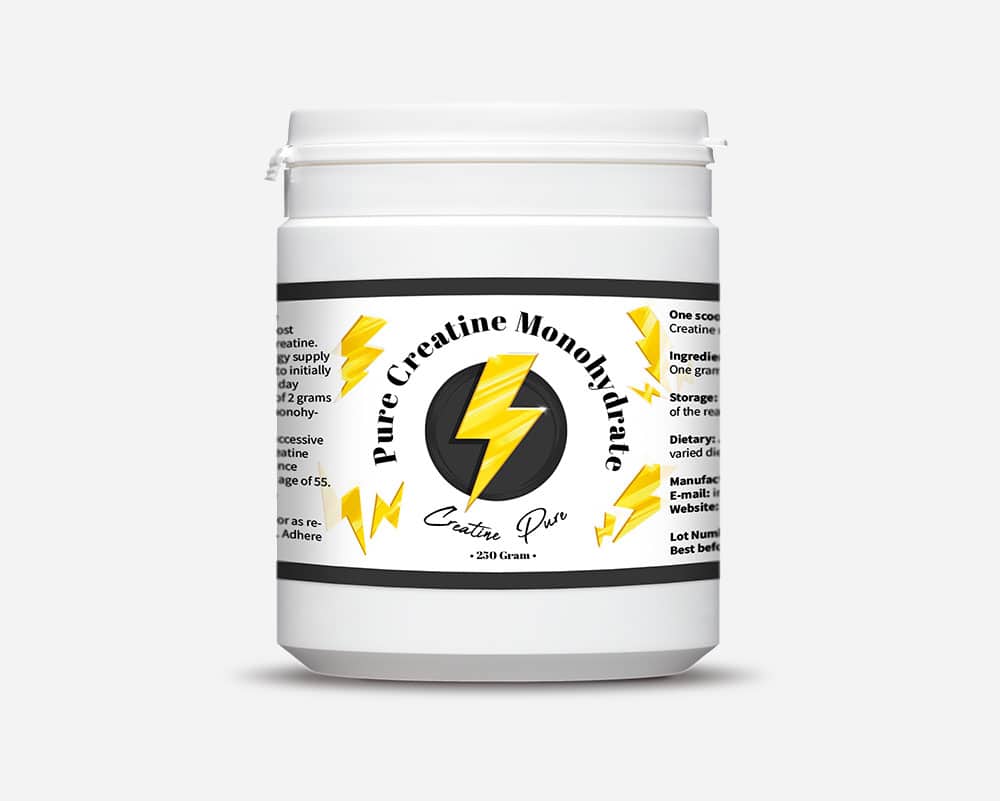
Creatine Monohydrate Powder
250 or 500 gramFrom: € 16,95€ 10,95 -
 Select options This product has multiple variants. The options may be chosen on the product page
Magnesium Citrate Tablets
60 or 180 tabletsFrom: € 24,95 -
 Select options This product has multiple variants. The options may be chosen on the product page
Annatto Vitamin E
30, 60 or 180 licaps®From: € 46,95 -
Sale
 Select options This product has multiple variants. The options may be chosen on the product page
Liposomal B complex
60 or 180 capsulesFrom: € 24,95€ 12,50 -
 Select options This product has multiple variants. The options may be chosen on the product pageFrom: € 34,95
 -
 Select options This product has multiple variants. The options may be chosen on the product page
Chaga Bio
60 or 180 capsulesFrom: € 29,95 -
 Select options This product has multiple variants. The options may be chosen on the product page
Liposomal Curcumin
60 or 180 capsulesFrom: € 49,95 -
 Select options This product has multiple variants. The options may be chosen on the product page
Vitamin D3 + K2 50mcg / 75mcg
60 or 180 capsulesFrom: € 24,95 -
 Select options This product has multiple variants. The options may be chosen on the product page
The Akkermansia Company® Gut Support
30 tabletsFrom: € 59,95 -
 Select options This product has multiple variants. The options may be chosen on the product page
Rhodiola Extract
60 or 180 capsulesFrom: € 34,95 -
 Select options This product has multiple variants. The options may be chosen on the product page
Skin, Hair & Nail + OptiMSM® Gel
Capsules + GelFrom: € 49,95 -
 Select options This product has multiple variants. The options may be chosen on the product page
OptiMSM® Powder + Green-lipped Mussel Oil (Aspitol®)
Aspitol® capsules + OptiMSM® PowderFrom: € 59,95 -
 Select options This product has multiple variants. The options may be chosen on the product page
Magnesium Complex powder + Vitamin D3 + K2 (50 mcg/ 75 mcg)
Magnesium Complex powder + D3 + K2 capsulesFrom: € 54,95 -
Sale
 Select options This product has multiple variants. The options may be chosen on the product page
Magnesium Bisglycinate Tablets 100 mg
60 or 180 tabletsFrom: € 14,95€ 9,95 -
 Select options This product has multiple variants. The options may be chosen on the product page
Liposomal Magnesium capsules
60 or 180 capsulesFrom: € 39,95 -
 Select options This product has multiple variants. The options may be chosen on the product page
Magnesium Bisglycinate Capsules
200 mg of magnesium per capFrom: € 18,95 -
 Select options This product has multiple variants. The options may be chosen on the product page
Daily Essentials Bundle
180 capsulesFrom: € 64,95 -
 Select options This product has multiple variants. The options may be chosen on the product page
Better Sleep Bundle
Powder and capsulesFrom: € 54,95 -
 Select options This product has multiple variants. The options may be chosen on the product page
Better Skin Bundle
Capsules and GelFrom: € 89,95 -
 Select options This product has multiple variants. The options may be chosen on the product page
OptiMSM® Powder Peach
Fine powderFrom: € 34,95 -
 Select options This product has multiple variants. The options may be chosen on the product page
OptiMSM® Powder Matcha
Fine powderFrom: € 34,95 -
 Select options This product has multiple variants. The options may be chosen on the product page
OptiMSM® Powder Lemon
Fine powderFrom: € 34,95 -
 Select options This product has multiple variants. The options may be chosen on the product page
Chaga BIO Powder
PowderFrom: € 34,95 -
 Select options This product has multiple variants. The options may be chosen on the product page
Cordyceps Powder BIO
PowderFrom: € 79,95 -
 Select options This product has multiple variants. The options may be chosen on the product page
Maitake BIO Powder
PowderFrom: € 37,95 -
 Select options This product has multiple variants. The options may be chosen on the product page
Reishi BIO Powder
PowderFrom: € 39,95 -
 Select options This product has multiple variants. The options may be chosen on the product page
Better Immunity Bundle
Powder and capsulesFrom: € 59,95 -
 Select options This product has multiple variants. The options may be chosen on the product page
Shiitake BIO Powder
PowderFrom: € 37,95 -
 Select options This product has multiple variants. The options may be chosen on the product page
Lion’s Mane Organic Powder
PowderFrom: € 37,95 -
 Select options This product has multiple variants. The options may be chosen on the product page
More Energy Bundle
Powder and capsulesFrom: € 94,95 -
 Select options This product has multiple variants. The options may be chosen on the product page
Joints Bundle
Capsules + creamFrom: € 84,95 -
 Select options This product has multiple variants. The options may be chosen on the product page
Liposomal Vitamin B12 + Folate
60 or 180 capsulesFrom: € 19,95 -
 Select options This product has multiple variants. The options may be chosen on the product page
Liposomal Resveratrol
60 and 180 capsulesFrom: € 49,95 -
 Select options This product has multiple variants. The options may be chosen on the product page
Liposomal PEA
60 and 180 capsulesFrom: € 29,95 -
 Select options This product has multiple variants. The options may be chosen on the product page
Liposomal Quercetin
60 and 180 capsulesFrom: € 29,95 -
 Select options This product has multiple variants. The options may be chosen on the product page
Liposomal Glutathione
60 and 180 capsulesFrom: € 49,95 -
 Select options This product has multiple variants. The options may be chosen on the product page
ButyraGen® Butyrate Capsules with Tributyrin
60 or 180 capsulesFrom: € 39,95 -
 Select options This product has multiple variants. The options may be chosen on the product page
Liposomal Iron
60 and 180 capsulesFrom: € 29,95

Related Posts