 Made in the Netherlands
 Free product of your choice with orders over €75,-






MSM GC, MSM GC Plus and MSM GC Vegan. Three product names that mean very…

Healthy weight loss: 7 practical tips for lasting results
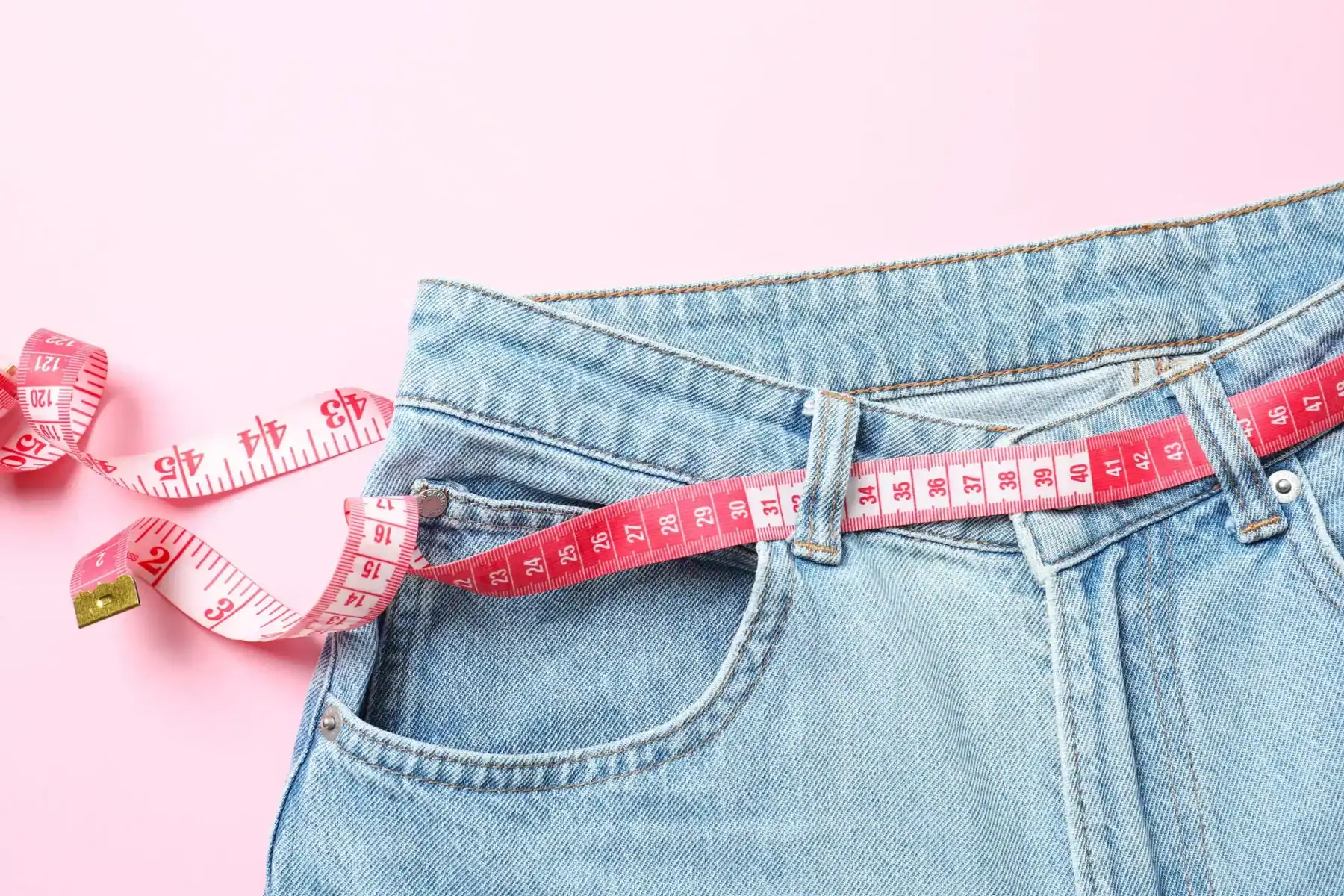
Losing weight can be done in many ways, but not every method is equally healthy or sustainable. Extreme diets sometimes deliver quick results, but often involve deficiencies and yo-yo effects. Healthy weight loss is all about a combination of diet, exercise, sleep and lifestyle supported by proven strategies.
1.Create a mild calorie deficit
Weight loss requires a slight negative energy balance, usually about 300-500 kcal less per day(source). In the orthomolecular approach, a deficit is never created by cutting out essential nutrients, but by increasing nutritional quality and reducing empty calories.
Note: In cases of hormonal imbalance, chronic stress, burnout, recovery from illness or severe underweight, it may be better to work on recovery and balance first before applying a calorie deficit. In such situations, consult with an orthomolecular therapist or physician.
2. Choose protein-rich, whole food
Proteins are essential for maintaining muscle mass during weight loss and provide a feeling of satiety(source). Orthomolecular advice is often given to obtain these proteins from varied sources:
-
Organic eggs
-
Oily fish such as salmon, mackerel or herring (rich in omega-3)
-
Legumes and quinoa
-
Nuts and seeds
3. Optimize your micronutrients.
Vitamin and mineral deficiencies can affect metabolism and energy balance. Orthomolecular emphasis is on nutrition with high nutrient density and, if necessary, supplementation through supplementation:
-
Vitamin D – Contributes to normal muscle and immune system function(EFSA source).
-
Magnesium – Contributes to normal energy metabolism and reduction of fatigue(EFSA source).
-
Omega-3 fatty acids (EPA/DHA) – contribute to normal heart function(EFSA source).
4. Stabilize blood sugar levels.
Stable blood sugar levels help reduce fluctuations in energy and appetite. Orthomolecular means:
-
Combining carbohydrates with protein and healthy fats
-
Avoiding fast sugars and highly processed products
-
Fiber-rich vegetables with every meal(source)
5. Move in a way that suits you
Exercise supports metabolism, muscle mass and blood flow.
-
Strength training 2-3 times a week for maintaining muscle mass
-
Daily exercise such as walking or biking
-
Activities that reduce stress, such as yoga or swimming
6. Sleep and stress management
Sleep deprivation can lead to hormonal shifts that increase appetite(source). During sleep your body recovers, therefore aim for 7-9 hours of quality sleep.
To sleep better, it is wise to limit as much blue light as possible in the evening.
Do you experience a lot of stress? Use relaxation techniques such as breathing exercises or meditation to reduce stress.
Onze producten
Voor een gezonde levensstijl
-
 Select options This product has multiple variants. The options may be chosen on the product page
OptiMSM® Powder
 250, 500, 1.000 or 5.000 gramFrom: € 29,95
 -
 Select options This product has multiple variants. The options may be chosen on the product page
Vitamin E T8 Complete
 60 or 180 softgelsFrom: € 44,95
 -
 Select options This product has multiple variants. The options may be chosen on the product page
OptiMSM® Gel
 200mlFrom: € 19,95
 -
 Select options This product has multiple variants. The options may be chosen on the product page
Vitamin C Ester-C
 60 or 180 tabletsFrom: € 34,95
 -
 Select options This product has multiple variants. The options may be chosen on the product page
Vitamin E T8 Vegan
 60 or 180 licaps®From: € 39,95
 -
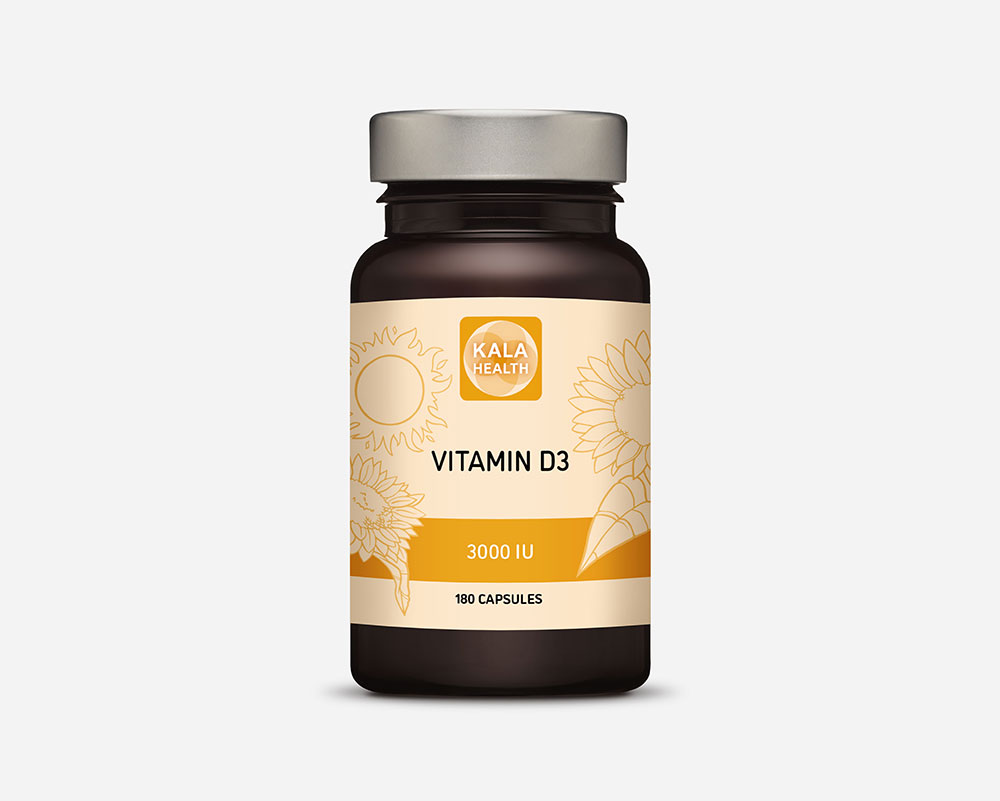 Select options This product has multiple variants. The options may be chosen on the product page
Vitamin D3 3000 IU
180 or 365 softgelsFrom: € 24,95 -
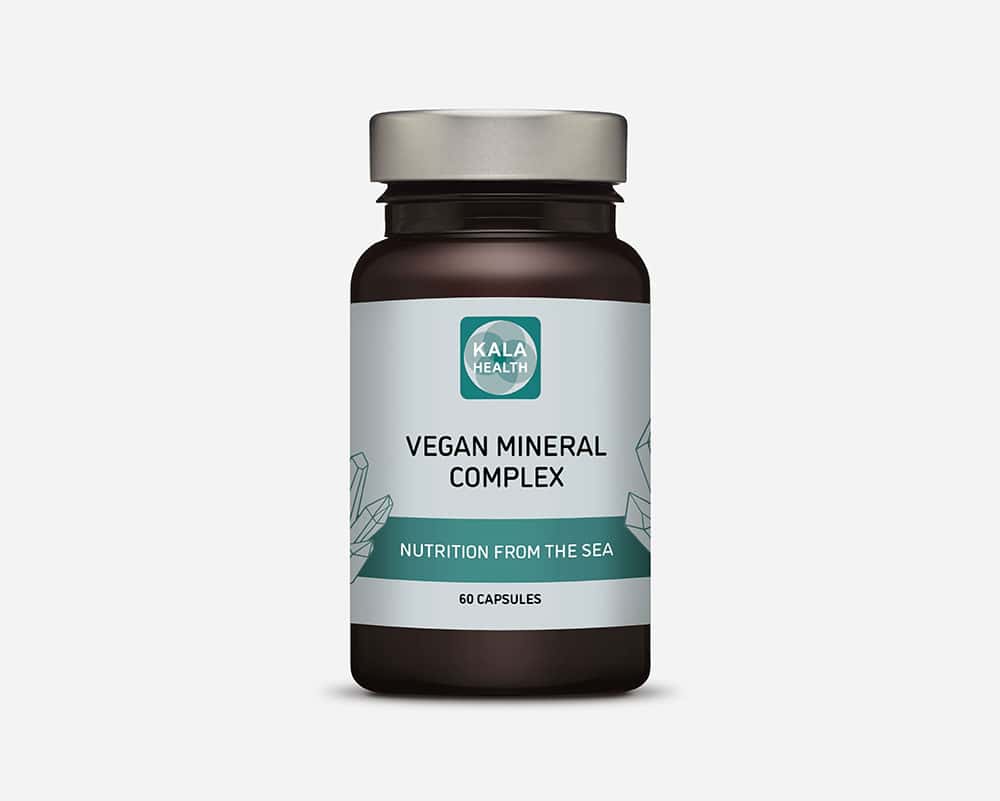 Select options This product has multiple variants. The options may be chosen on the product page
Vegan Mineral Complex
 60 or 180 capsulesFrom: € 24,95
 -
 Select options This product has multiple variants. The options may be chosen on the product page
Vegan Mushroom Mix BIO
60 or 180 capsulesFrom: € 34,95 -
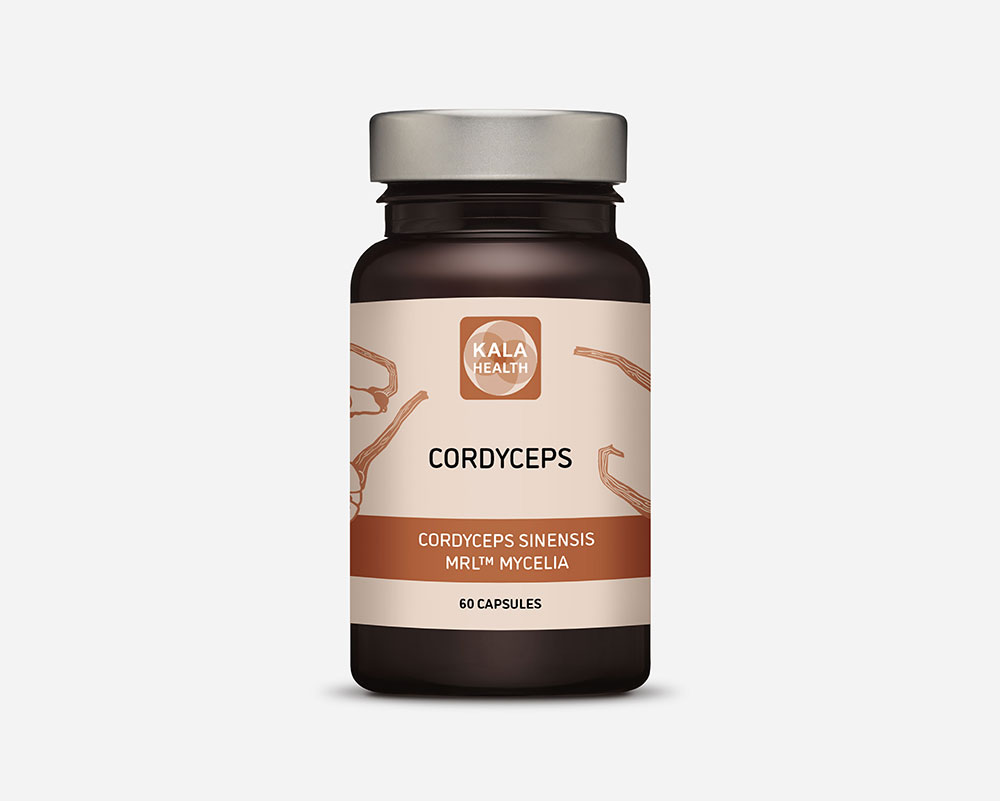 Select options This product has multiple variants. The options may be chosen on the product page
Cordyceps Vegan Capsules BIO
60 or 180 capsulesFrom: € 34,95 -
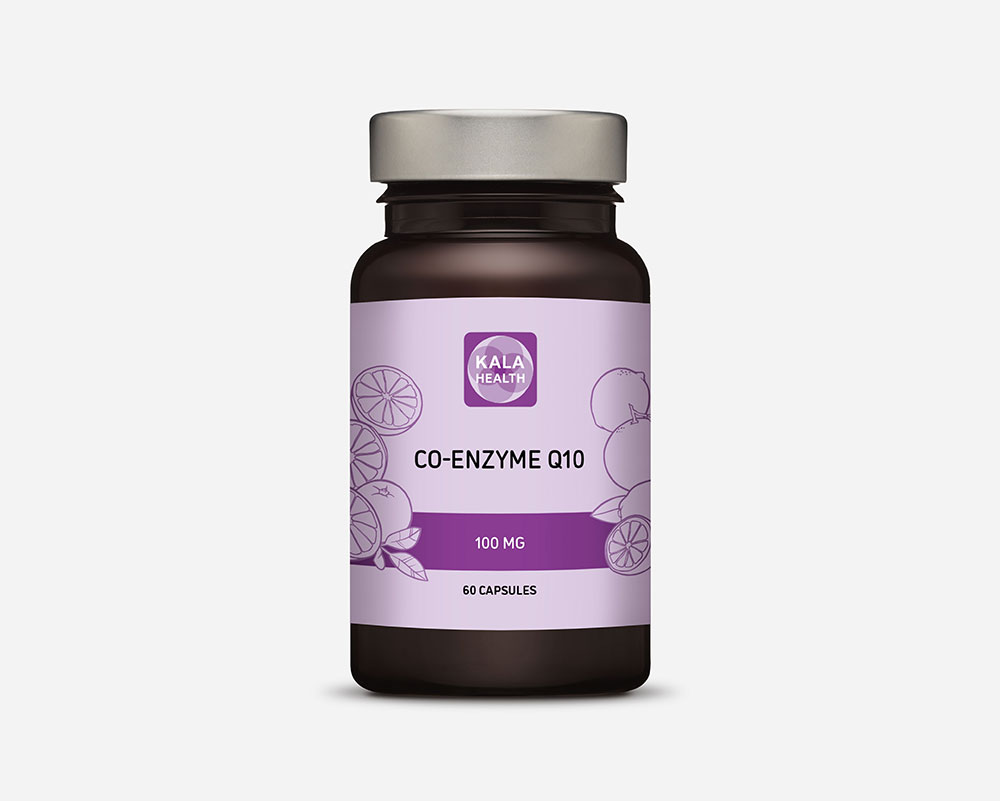 Select options This product has multiple variants. The options may be chosen on the product page
Coenzyme Q10
60 or 180 softgelsFrom: € 34,95 -
 Select options This product has multiple variants. The options may be chosen on the product page
Astaxanthin
60 or 180 softgelsFrom: € 34,95 -
 Select options This product has multiple variants. The options may be chosen on the product page
MSMGC Plus Capsules
60 or 180 capsulesFrom: € 39,95 -
 Select options This product has multiple variants. The options may be chosen on the product page
Natural Enzymes
60 or 180 Digestive Enzymes CapsulesFrom: € 29,95 -
 Select options This product has multiple variants. The options may be chosen on the product page
OptiMSM® Capsules
60 or 180 capsulesFrom: € 24,95 -
 Select options This product has multiple variants. The options may be chosen on the product page
MSMGC Tablets
60 or 180 tabletsFrom: € 24,95 -
 Select options This product has multiple variants. The options may be chosen on the product page
Vegan MSMGC Capsules
60 or 180 CapsulesFrom: € 49,95 -
 Select options This product has multiple variants. The options may be chosen on the product page
Glucosamine (NaturGlux®) Powder
500, 1.000 or 5.000 gramFrom: € 29,95 -
 Select options This product has multiple variants. The options may be chosen on the product page
Krill oil
60 or 180 SoftgelsFrom: € 24,95 -
 Select options This product has multiple variants. The options may be chosen on the product page
Green-lipped mussel oil (Aspitol®)
60 or 180 softgelsFrom: € 39,95 -
 Select options This product has multiple variants. The options may be chosen on the product page
Vegan Omega 3
60 or 180 softgelsFrom: € 49,95 -
 Select options This product has multiple variants. The options may be chosen on the product page
Skin Hair Nails
60 or 180 capsulesFrom: € 34,95 -
 Select options This product has multiple variants. The options may be chosen on the product page
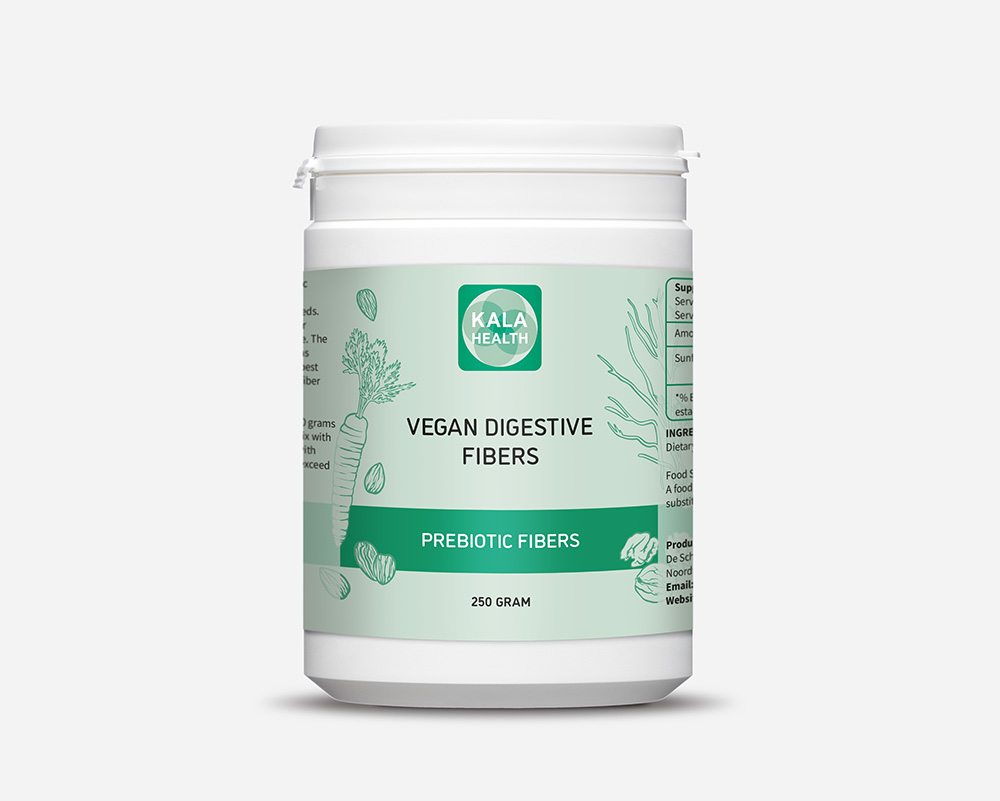
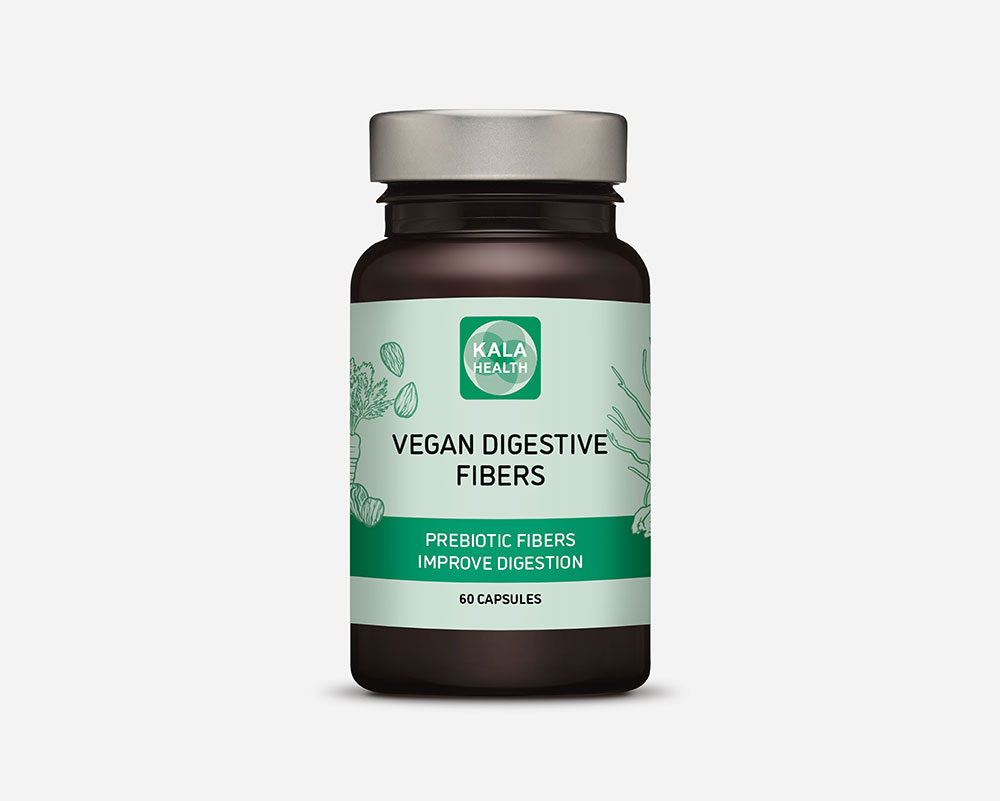
Vegan Digestive Fibers
60 or 180 capsulesFrom: € 29,95 -
 Select options This product has multiple variants. The options may be chosen on the product page
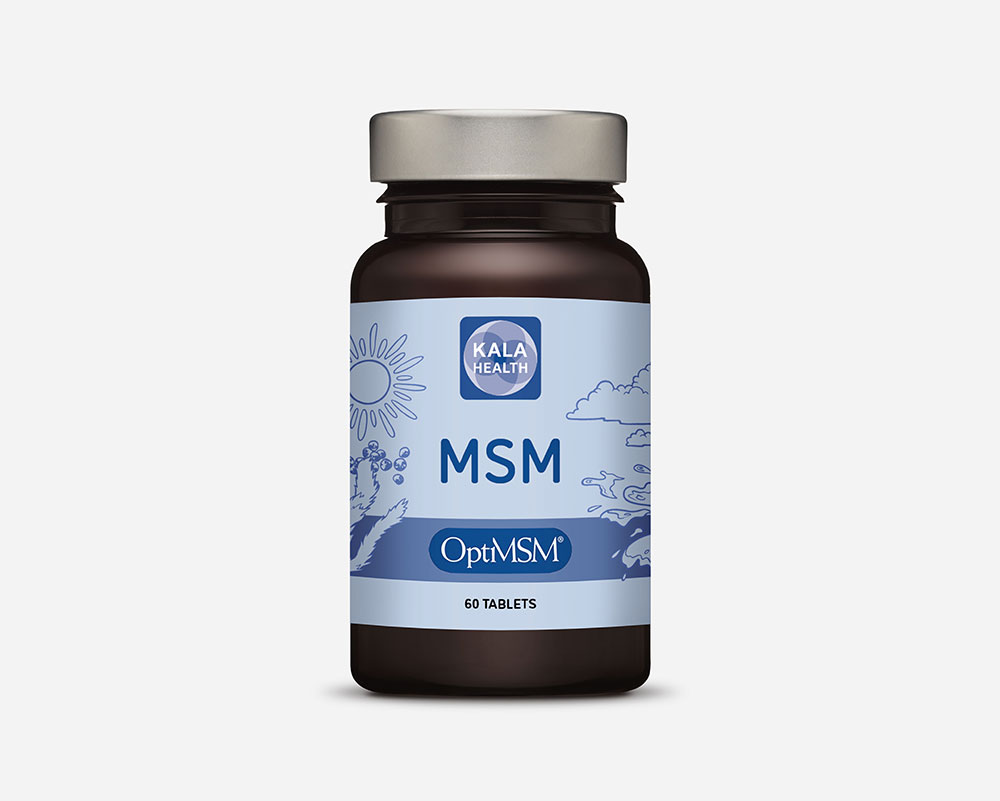
OptiMSM® Tablets
60 or 180 tabletsFrom: € 14,95 -
 Select options This product has multiple variants. The options may be chosen on the product page
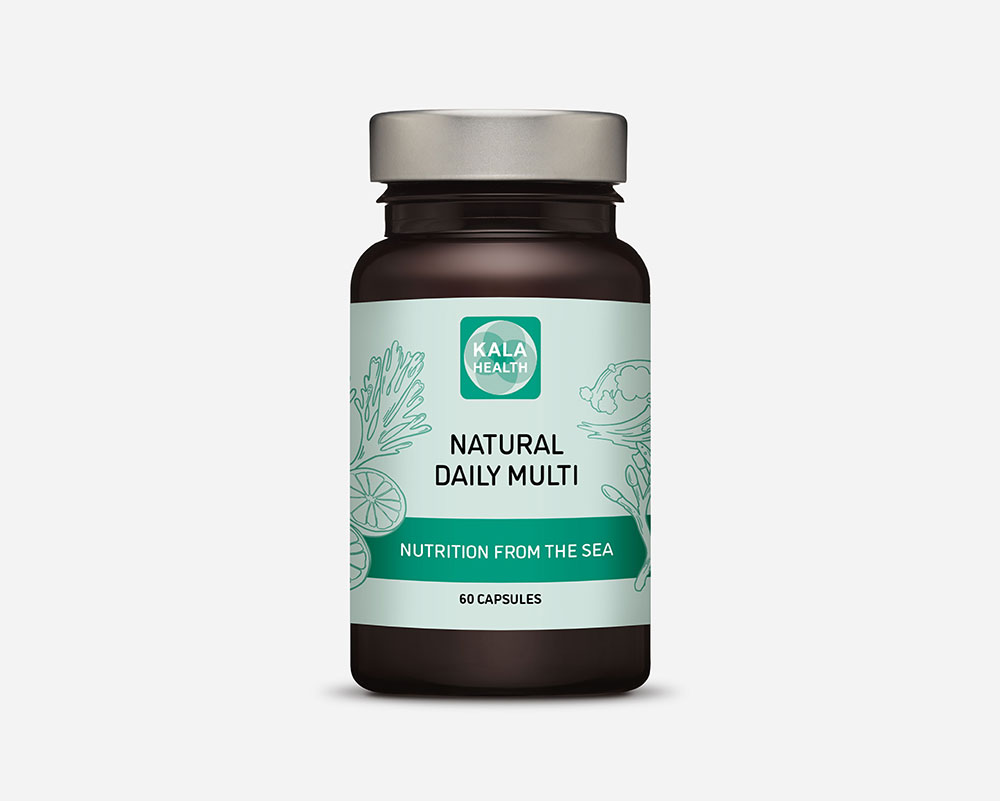
Natural Multivitamin
60 or 180 capsulesFrom: € 34,95 -
 Select options This product has multiple variants. The options may be chosen on the product page
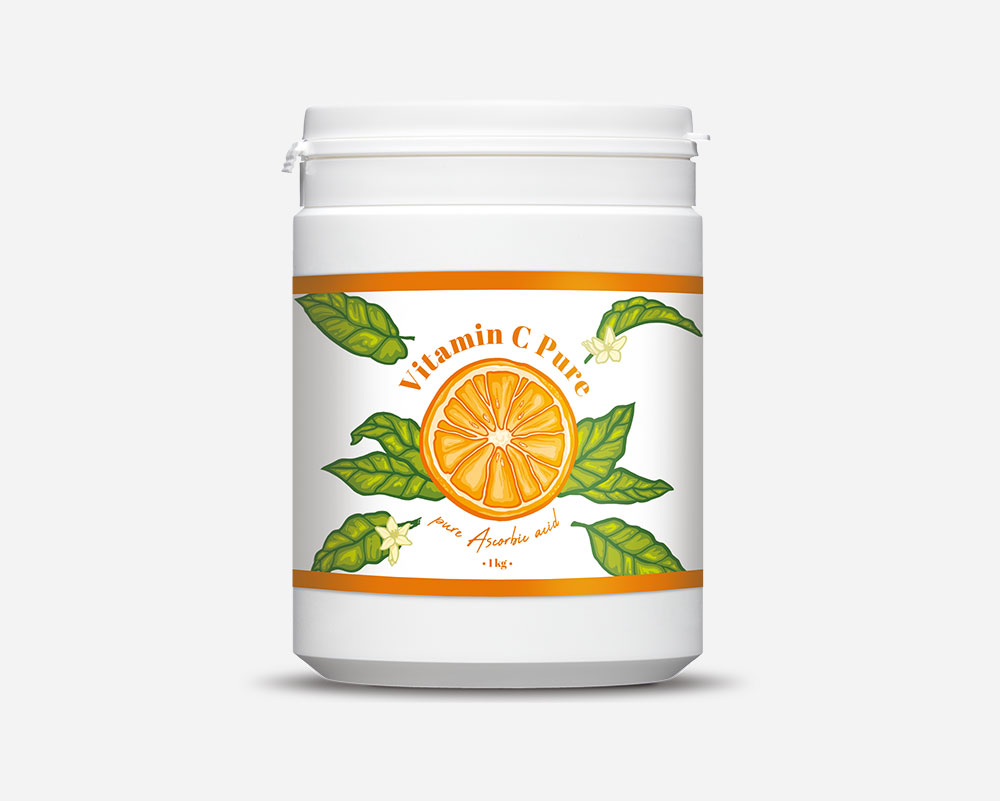
Vitamin C powder
100, 500, 1.000 or 5.000 gramFrom: € 15,95 -
 Select options This product has multiple variants. The options may be chosen on the product page
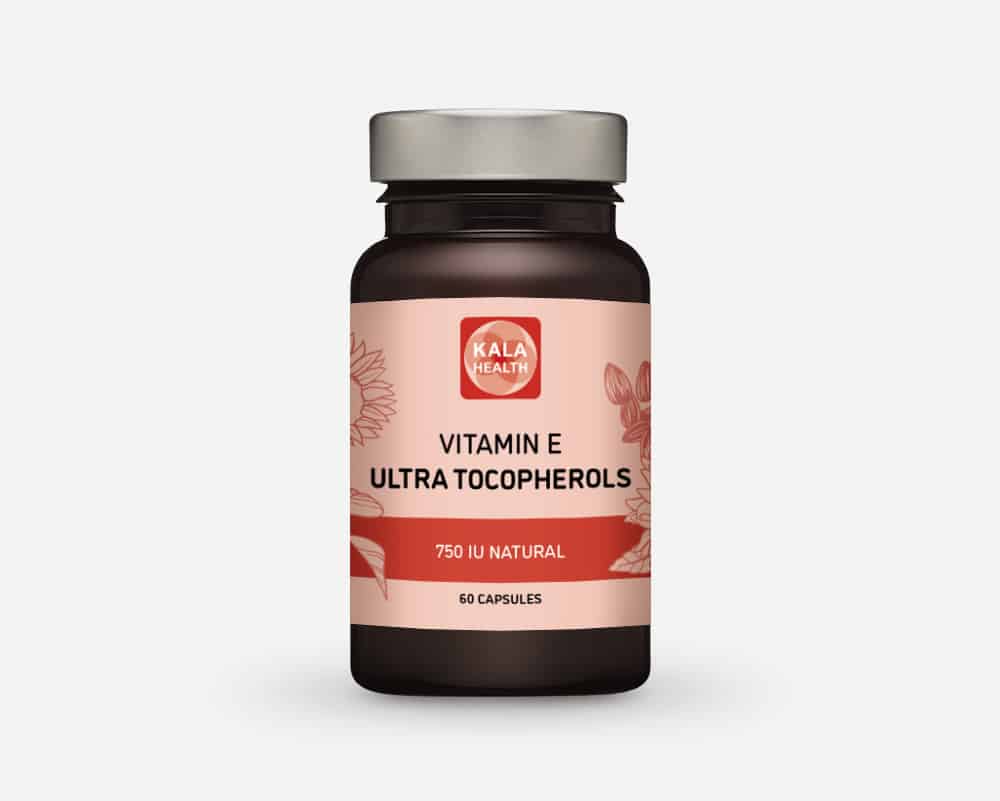
Vitamin E Ultra Tocopherols
60 or 180 Licaps®From: € 29,95 -
 Select options This product has multiple variants. The options may be chosen on the product page
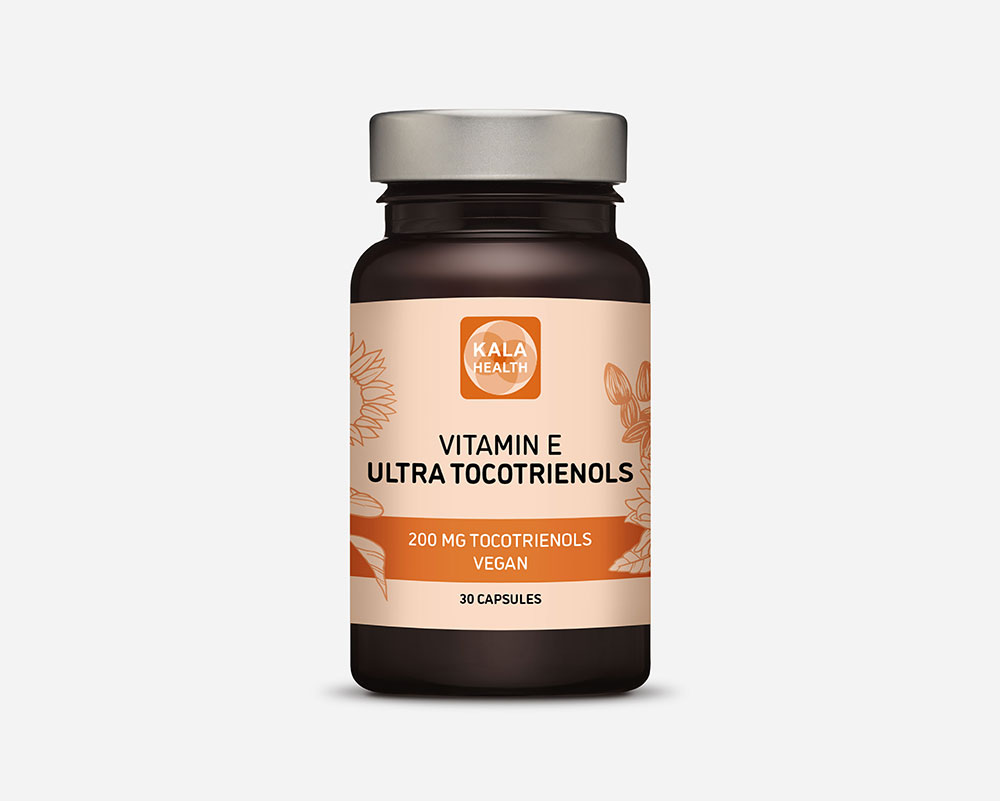
Vitamin E Ultra Tocotrienol
30, 60 or 180 licaps®From: € 49,95 -
 Select options This product has multiple variants. The options may be chosen on the product page
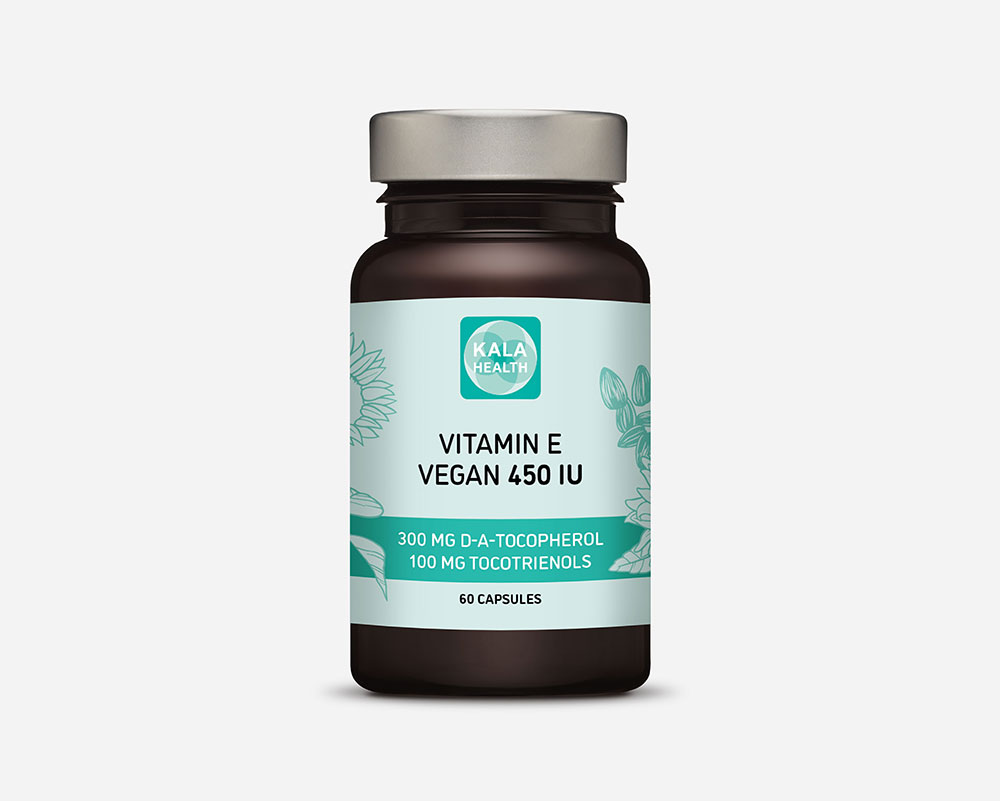
Vitamin E Strong 450IU/100mg
60 or 180 licaps®From: € 49,95 -
 Select options This product has multiple variants. The options may be chosen on the product page
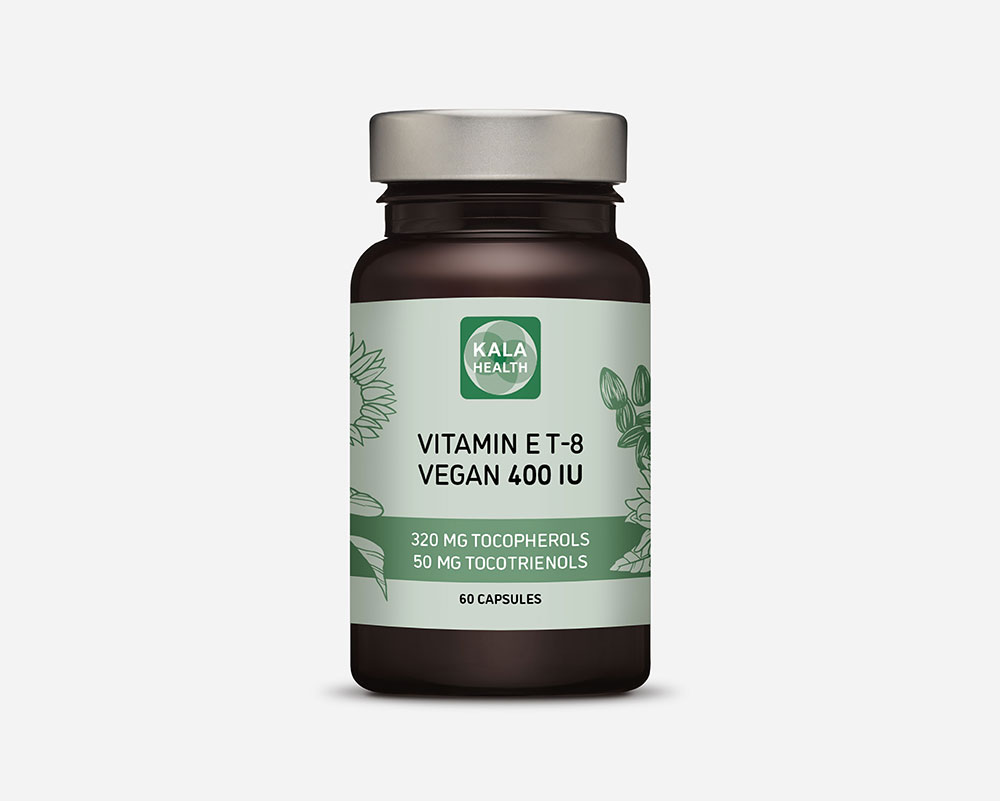
Vitamin E T8 MAX 400IU/50mg
60 or 180 licaps®From: € 44,95 -
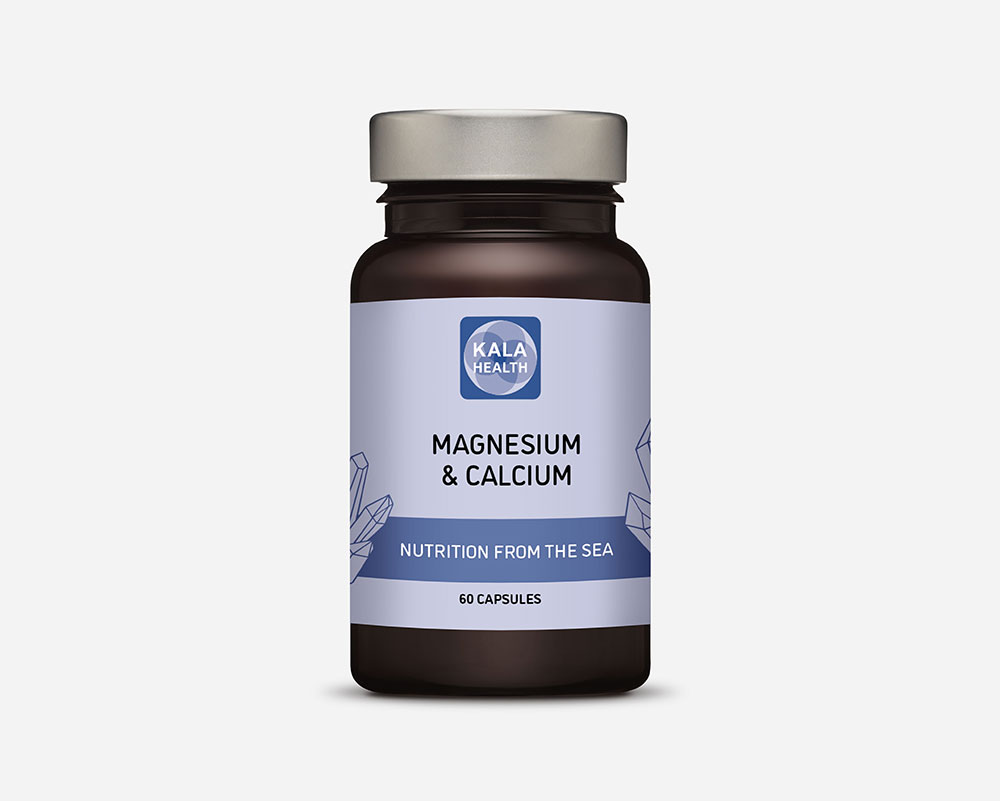 Select options This product has multiple variants. The options may be chosen on the product page
Magnesium & Calcium
60 or 180 capsulesFrom: € 24,95 -
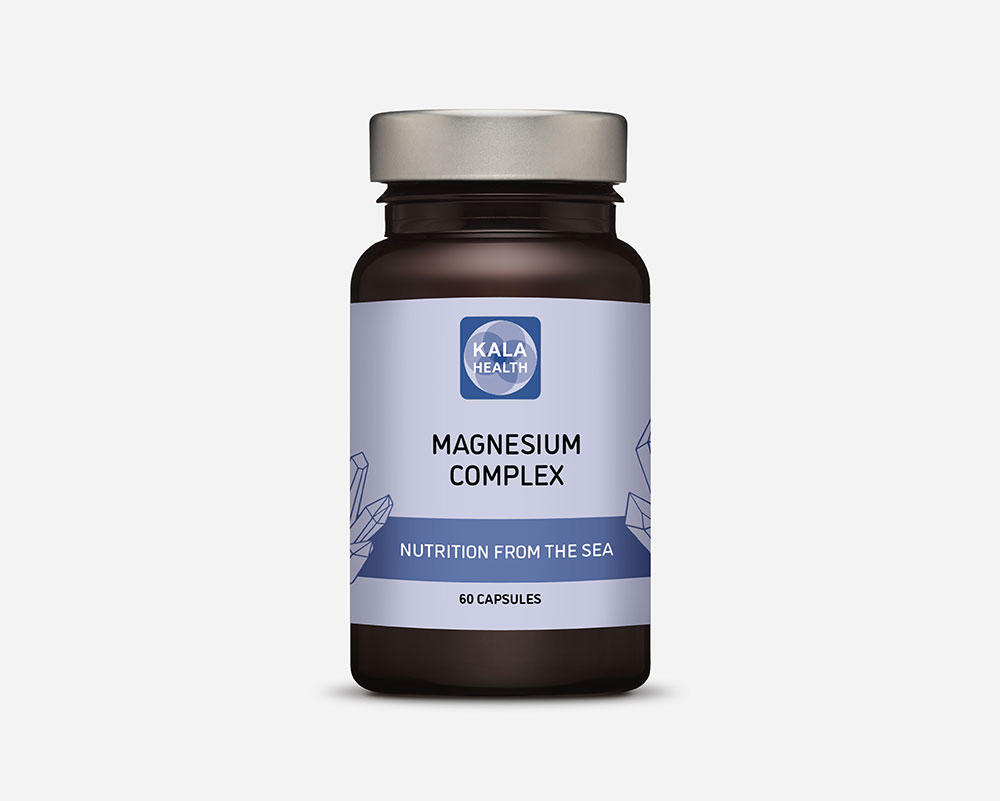 Select options This product has multiple variants. The options may be chosen on the product page
Magnesium Complex
60 or 180 capsulesFrom: € 24,95 -
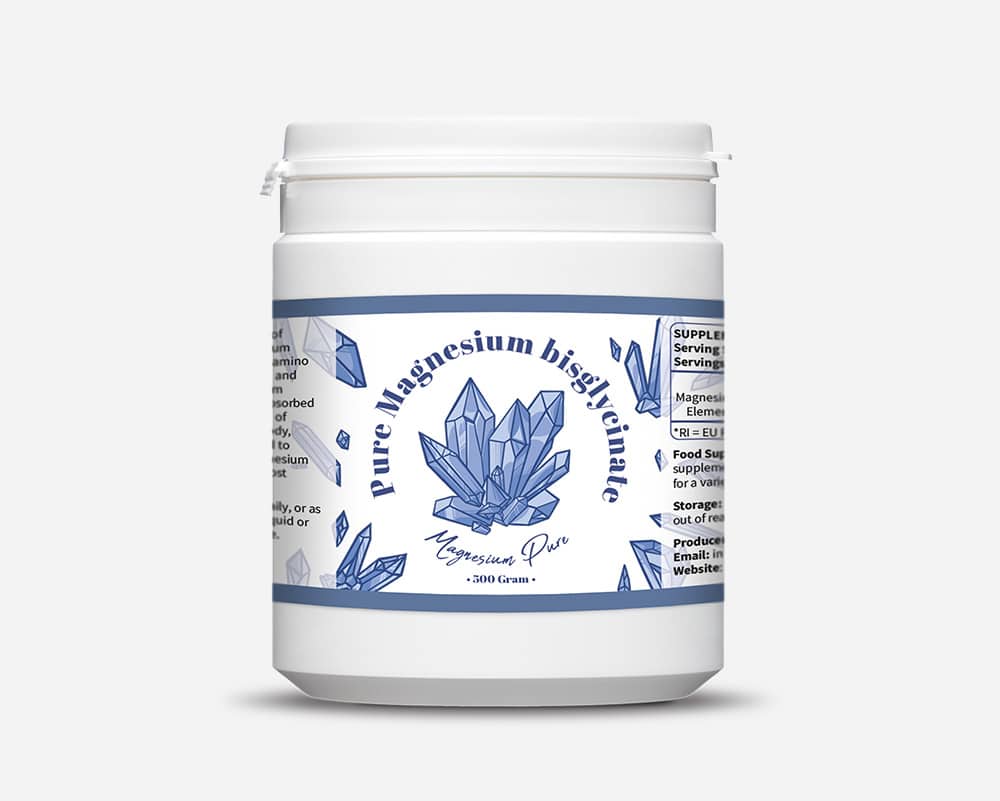 Select options This product has multiple variants. The options may be chosen on the product page
Magnesium Bisglycinate Powder
500 or 1,000 grams From: € 29,95 -
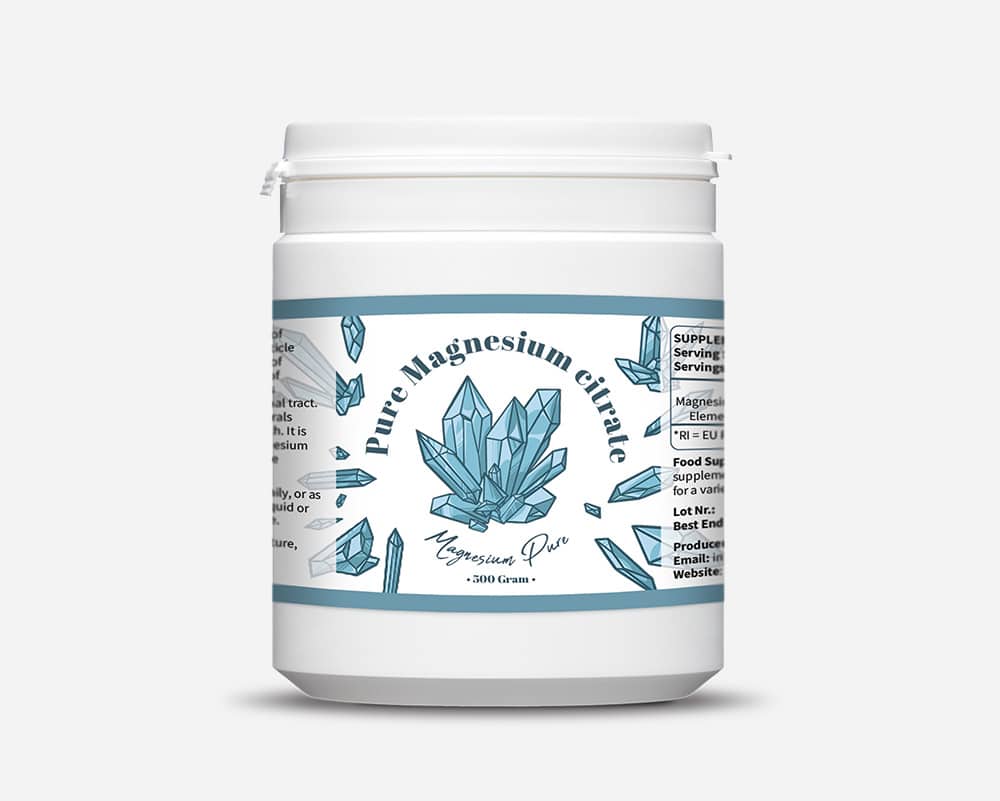 Select options This product has multiple variants. The options may be chosen on the product page
Magnesium Citrate Powder
500 or 1000 gramFrom: € 34,95 -
Sale
 Select options This product has multiple variants. The options may be chosen on the product page
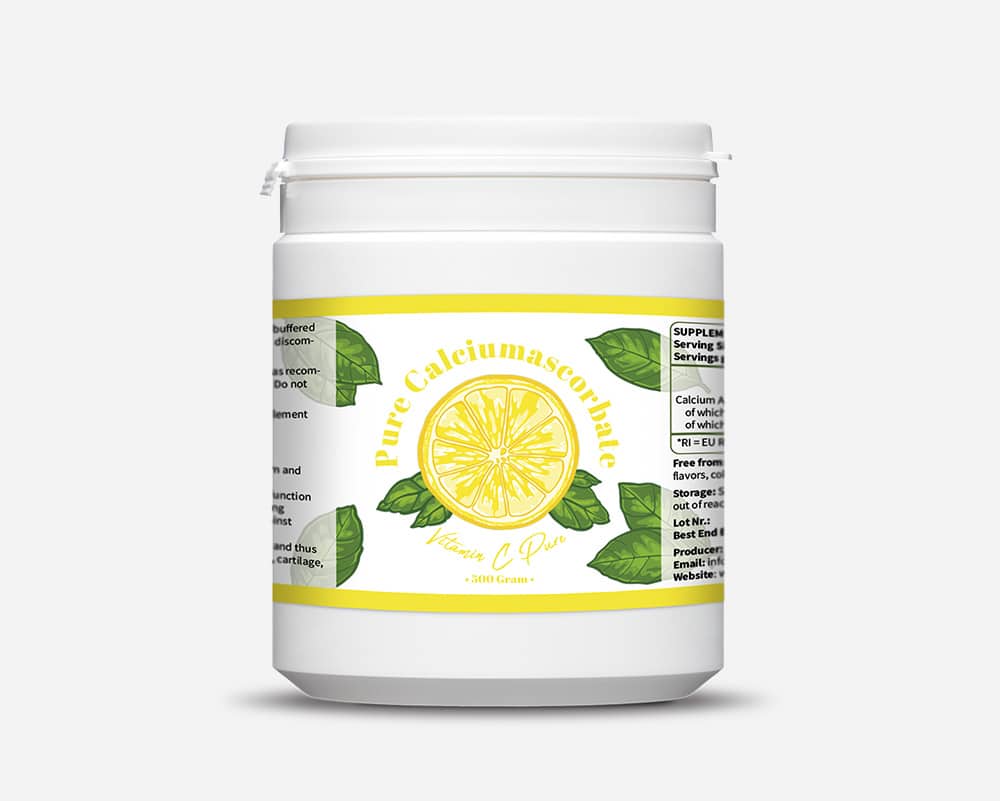
Calcium Ascorbate Powder
500 or 1000 gram From: € 19,95€ 12,95 -
 Select options This product has multiple variants. The options may be chosen on the product page
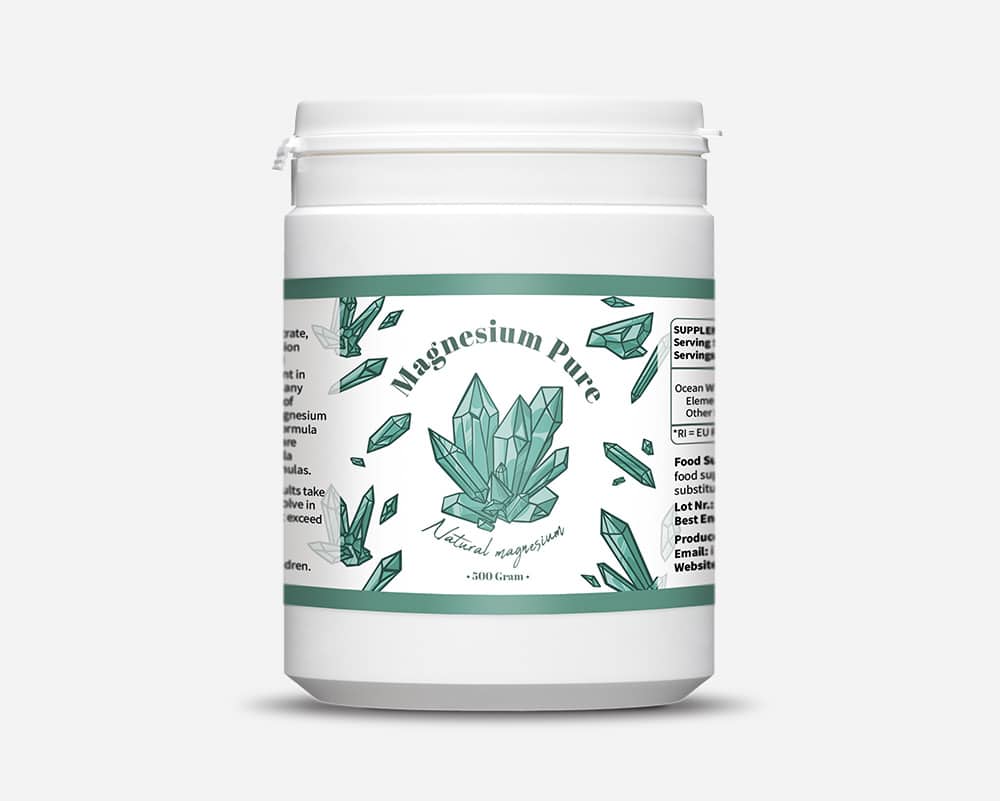
Magnesium Complex Powder
500 or 1000 gramFrom: € 44,95 -
 Select options This product has multiple variants. The options may be chosen on the product page
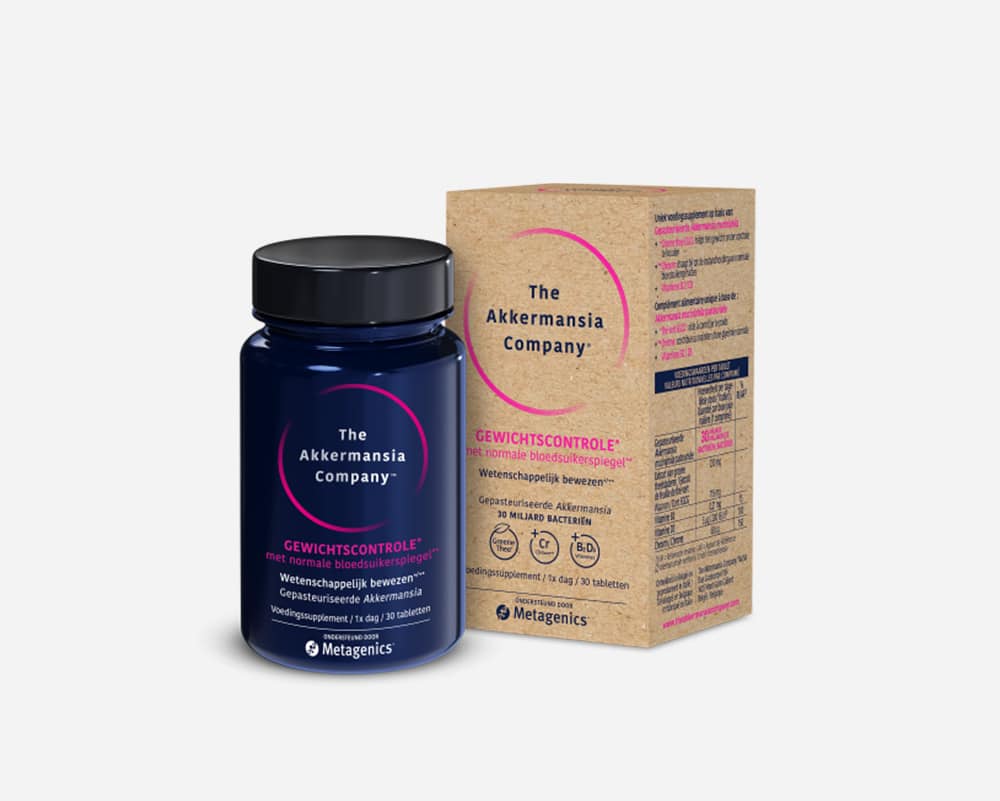
The Akkermansia Company® Weight Control
30 TabletsFrom: € 59,95 -
 Select options This product has multiple variants. The options may be chosen on the product page
Liposomal Ester-C®
60 or 180 capsulesFrom: € 44,95 -
 Select options This product has multiple variants. The options may be chosen on the product page
Magnesium Bisglycinate Tablets 200 mg
60 or 180 tabletsFrom: € 18,95 -
 Select options This product has multiple variants. The options may be chosen on the product page
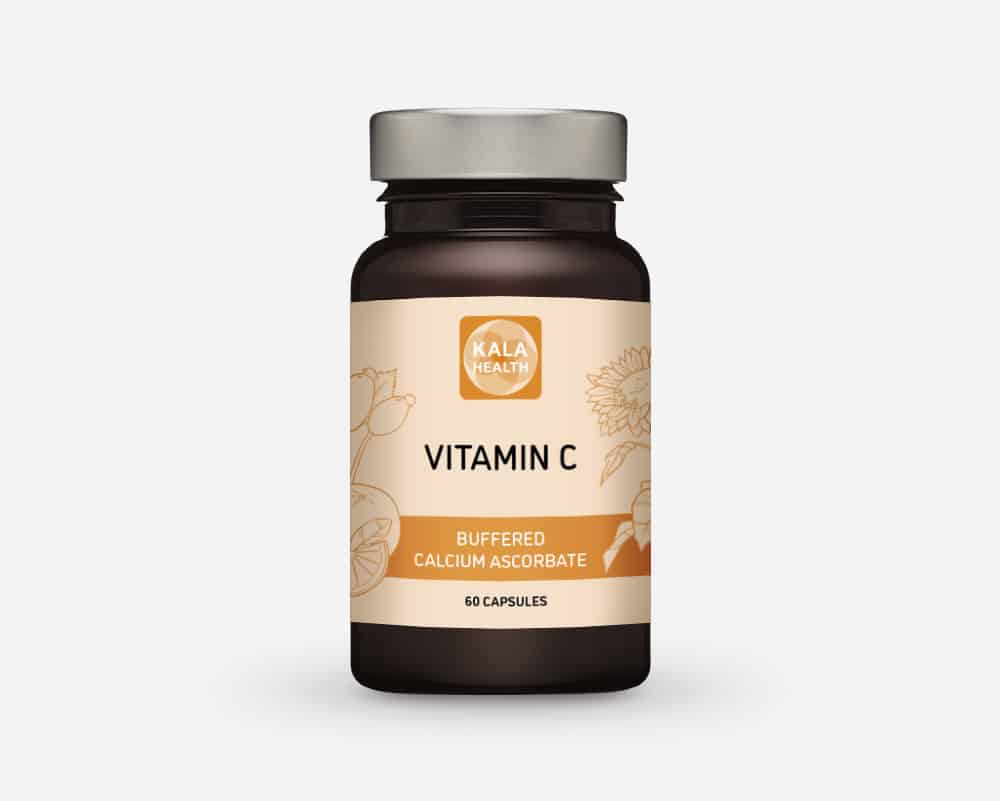
Calcium Ascorbate 600 mg
60, 180 or 365 capsulesFrom: € 19,95 -
Sale
 Select options This product has multiple variants. The options may be chosen on the product page
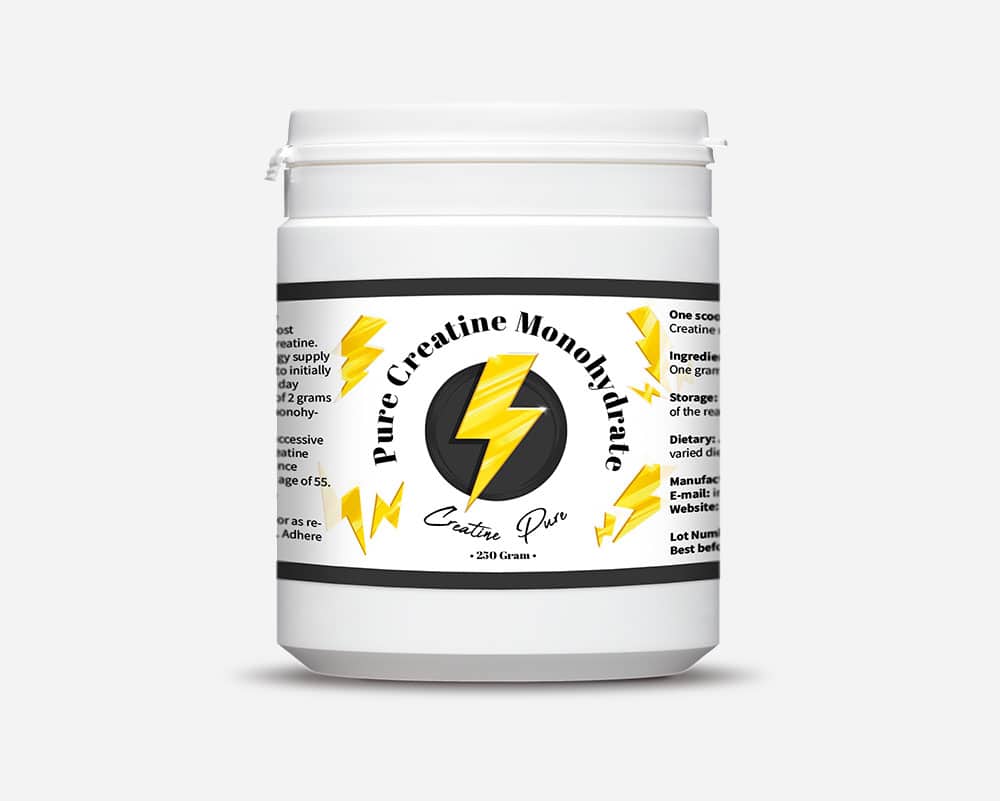
Creatine Monohydrate Powder
250 or 500 gramFrom: € 16,95€ 10,95 -
 Select options This product has multiple variants. The options may be chosen on the product page
Magnesium Citrate Tablets
60 or 180 tabletsFrom: € 24,95 -
 Select options This product has multiple variants. The options may be chosen on the product page
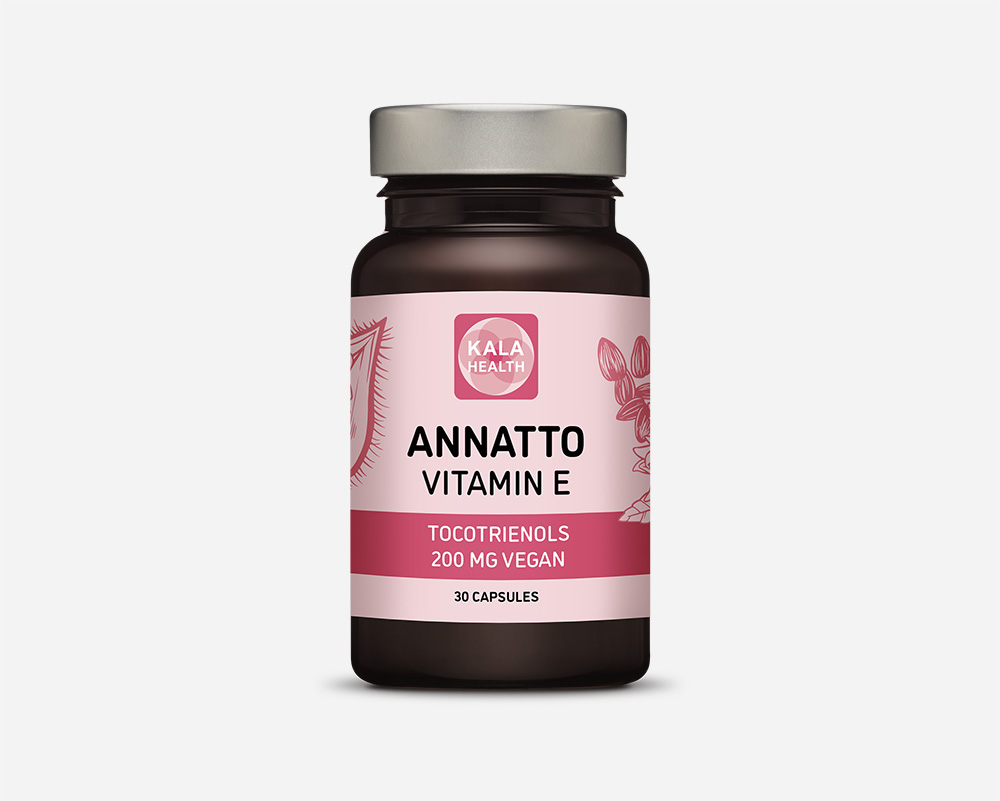
Annatto Vitamin E
30, 60 or 180 licaps®From: € 46,95 -
Sale
 Select options This product has multiple variants. The options may be chosen on the product page
Liposomal B complex
60 or 180 capsulesFrom: € 24,95€ 12,50 -
 Select options This product has multiple variants. The options may be chosen on the product pageFrom: € 34,95
 -
 Select options This product has multiple variants. The options may be chosen on the product page
Chaga Bio
60 or 180 capsulesFrom: € 29,95 -
 Select options This product has multiple variants. The options may be chosen on the product page
Liposomal Curcumin
60 or 180 capsulesFrom: € 49,95 -
 Select options This product has multiple variants. The options may be chosen on the product page
Vitamin D3 + K2 50mcg / 75mcg
60 or 180 capsulesFrom: € 24,95 -
 Select options This product has multiple variants. The options may be chosen on the product page
The Akkermansia Company® Gut Support
30 tabletsFrom: € 59,95 -
 Select options This product has multiple variants. The options may be chosen on the product page
Rhodiola Extract
60 or 180 capsulesFrom: € 34,95 -
 Select options This product has multiple variants. The options may be chosen on the product page
Skin, Hair & Nail + OptiMSM® Gel
Capsules + GelFrom: € 49,95 -
 Select options This product has multiple variants. The options may be chosen on the product page
OptiMSM® Powder + Green-lipped Mussel Oil (Aspitol®)
Aspitol® capsules + OptiMSM® PowderFrom: € 59,95 -
 Select options This product has multiple variants. The options may be chosen on the product page
Magnesium Complex powder + Vitamin D3 + K2 (50 mcg/ 75 mcg)
Magnesium Complex powder + D3 + K2 capsulesFrom: € 54,95 -
Sale
 Select options This product has multiple variants. The options may be chosen on the product page
Magnesium Bisglycinate Tablets 100 mg
60 or 180 tabletsFrom: € 14,95€ 9,95 -
 Select options This product has multiple variants. The options may be chosen on the product page
Liposomal Magnesium capsules
60 or 180 capsulesFrom: € 39,95 -
 Select options This product has multiple variants. The options may be chosen on the product page
Magnesium Bisglycinate Capsules
200 mg of magnesium per capFrom: € 18,95 -
 Select options This product has multiple variants. The options may be chosen on the product page
Daily Essentials Bundle
180 capsulesFrom: € 64,95 -
 Select options This product has multiple variants. The options may be chosen on the product page
Better Sleep Bundle
Powder and capsulesFrom: € 54,95 -
 Select options This product has multiple variants. The options may be chosen on the product page
Better Skin Bundle
Capsules and GelFrom: € 89,95 -
 Select options This product has multiple variants. The options may be chosen on the product page
OptiMSM® Powder Peach
Fine powderFrom: € 34,95 -
 Select options This product has multiple variants. The options may be chosen on the product page
OptiMSM® Powder Matcha
Fine powderFrom: € 34,95 -
 Select options This product has multiple variants. The options may be chosen on the product page
OptiMSM® Powder Lemon
Fine powderFrom: € 34,95 -
 Select options This product has multiple variants. The options may be chosen on the product page
Chaga BIO Powder
PowderFrom: € 34,95 -
 Select options This product has multiple variants. The options may be chosen on the product page
Cordyceps Powder BIO
PowderFrom: € 79,95 -
 Select options This product has multiple variants. The options may be chosen on the product page
Maitake BIO Powder
PowderFrom: € 37,95 -
 Select options This product has multiple variants. The options may be chosen on the product page
Reishi BIO Powder
PowderFrom: € 39,95 -
 Select options This product has multiple variants. The options may be chosen on the product page
Better Immunity Bundle
Powder and capsulesFrom: € 59,95 -
 Select options This product has multiple variants. The options may be chosen on the product page
Shiitake BIO Powder
PowderFrom: € 37,95 -
 Select options This product has multiple variants. The options may be chosen on the product page
Lion’s Mane Organic Powder
PowderFrom: € 37,95 -
 Select options This product has multiple variants. The options may be chosen on the product page
More Energy Bundle
Powder and capsulesFrom: € 94,95 -
 Select options This product has multiple variants. The options may be chosen on the product page
Joints Bundle
Capsules + creamFrom: € 84,95 -
 Select options This product has multiple variants. The options may be chosen on the product page
Liposomal Vitamin B12 + Folate
60 or 180 capsulesFrom: € 19,95 -
 Select options This product has multiple variants. The options may be chosen on the product page
Liposomal Resveratrol
60 and 180 capsulesFrom: € 49,95 -
 Select options This product has multiple variants. The options may be chosen on the product page
Liposomal PEA
60 and 180 capsulesFrom: € 29,95 -
 Select options This product has multiple variants. The options may be chosen on the product page
Liposomal Quercetin
60 and 180 capsulesFrom: € 29,95 -
 Select options This product has multiple variants. The options may be chosen on the product page
Liposomal Glutathione
60 and 180 capsulesFrom: € 49,95 -
 Select options This product has multiple variants. The options may be chosen on the product page
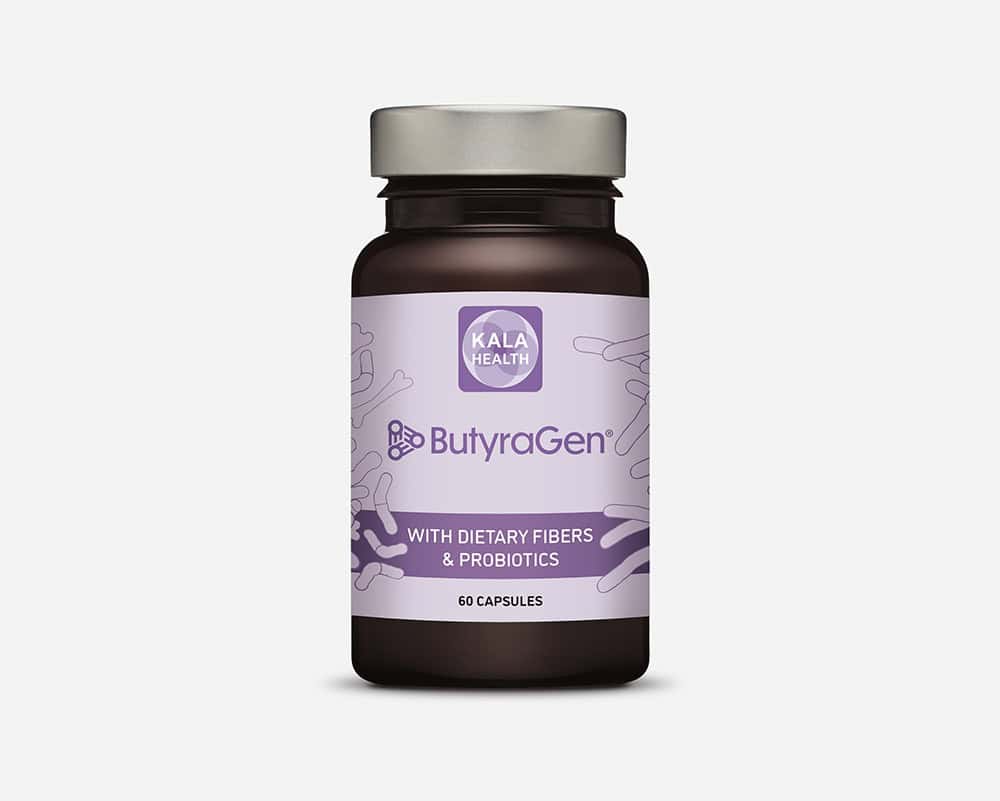
ButyraGen® Butyrate Capsules with Tributyrin
60 or 180 capsulesFrom: € 39,95 -
 Select options This product has multiple variants. The options may be chosen on the product page
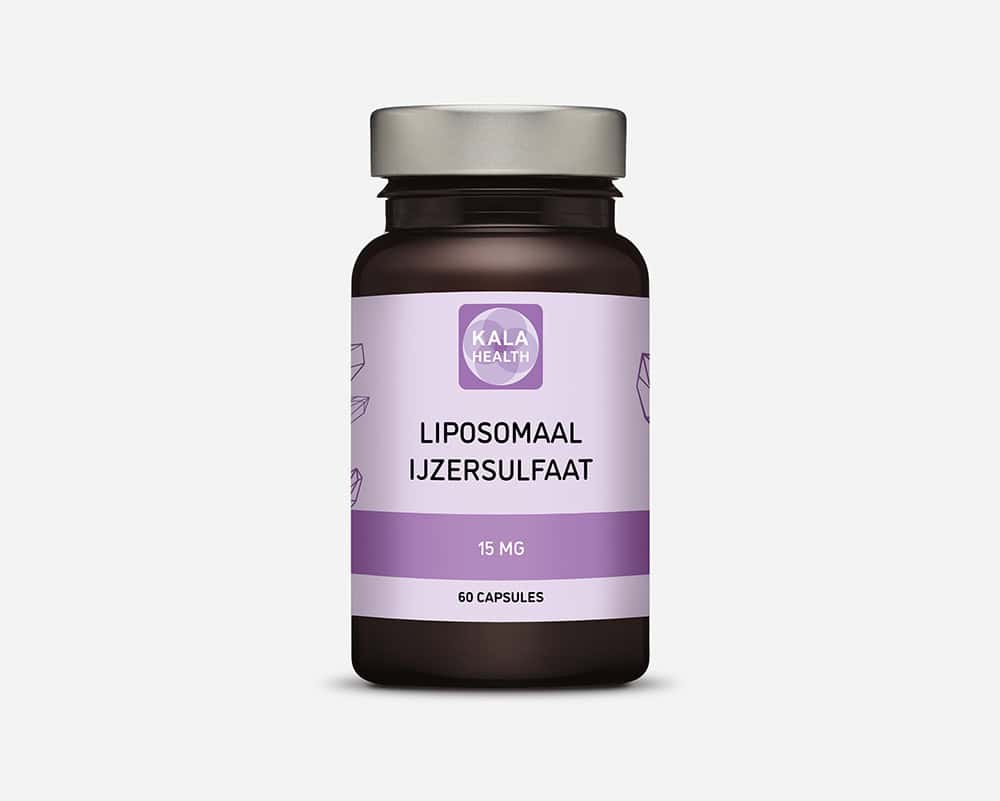
Liposomal Iron
60 and 180 capsulesFrom: € 29,95

Related Posts