
 Made in the Netherlands
 Free product of your choice with orders over €75,-






MSM GC, MSM GC Plus and MSM GC Vegan. Three product names that mean very…
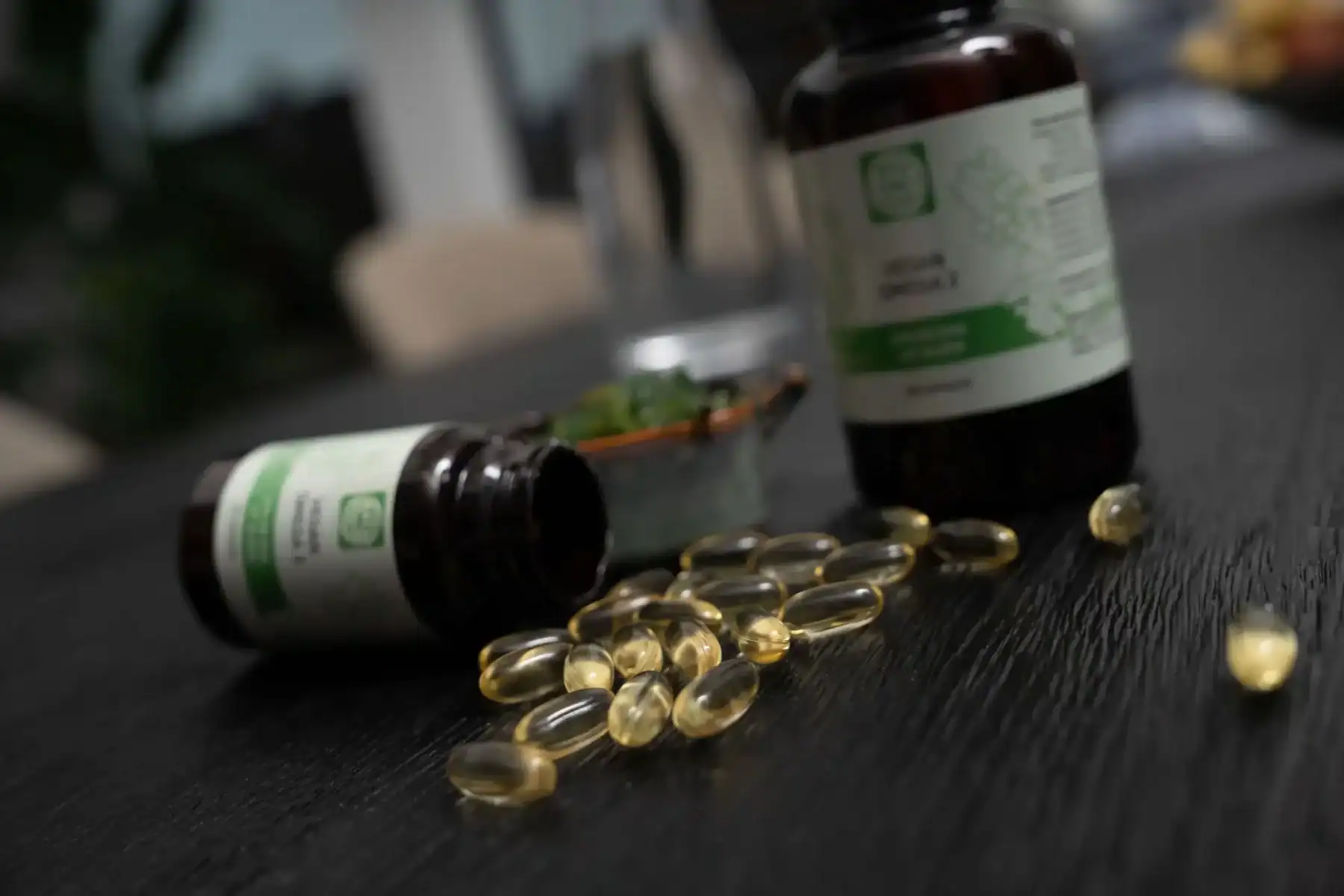
Omega 3 for vegetarians and vegans: here’s how to get enough
Omega 3 fatty acids are essential fats that come in through diet because the body cannot make them itself. For vegetarians and especially vegans, getting enough omega 3 can be a challenge because the most familiar sources, such as fatty fish, are not on the menu. Fortunately, there are plenty of plant-based alternatives as well as reliable algae-based supplements.
In this article you will read:
- What omega 3 fatty acids are and what types there are
- Why plant-based omega 3 conversion is limited
- The best plant sources of omega 3
- How a vegan algae oil supplement can help
What are omega 3 fatty acids?
Omega 3 is a collective term for polyunsaturated fatty acids. The three most important are:
- ALA (alpha-linolenic acid) – derived from plant products such as seeds, nuts and leafy vegetables.
- EPA (eicosapentaenoic acid) – found mainly in oily fish and seafood.
- DHA (docosahexaenoic acid) – mainly present in fish, fish oil and algae.
The body can convert ALA into EPA and DHA, but this is done very inefficiently: on average, only 5-10% of ALA is converted into EPA, and less than 5% into DHA. Therefore, for people who do not eat fish, it is wise to obtain EPA and DHA directly from plant sources (such as algae).
Plant sources of ALA
There are several foods rich in ALA:
- Flaxseed and flaxseed oil – is among the richest plant sources of ALA. Tip: grind flaxseed just before use for better absorption.
- Chia seeds – contain fiber and plant protein in addition to ALA.
- Walnuts – ideal as a snack or through salads.
- Hemp seed – has a favorable ratio of omega 3 to omega 6.
- Dark green leafy vegetables – such as spinach, purslane and kale; contain less ALA, but are valuable supplements.
Vegan omega 3 straight from algae
Fish contain EPA and DHA because fish feed on algae. Thus, algal oil is a direct, plant-based source of EPA and DHA – ideal for vegetarians and vegans.
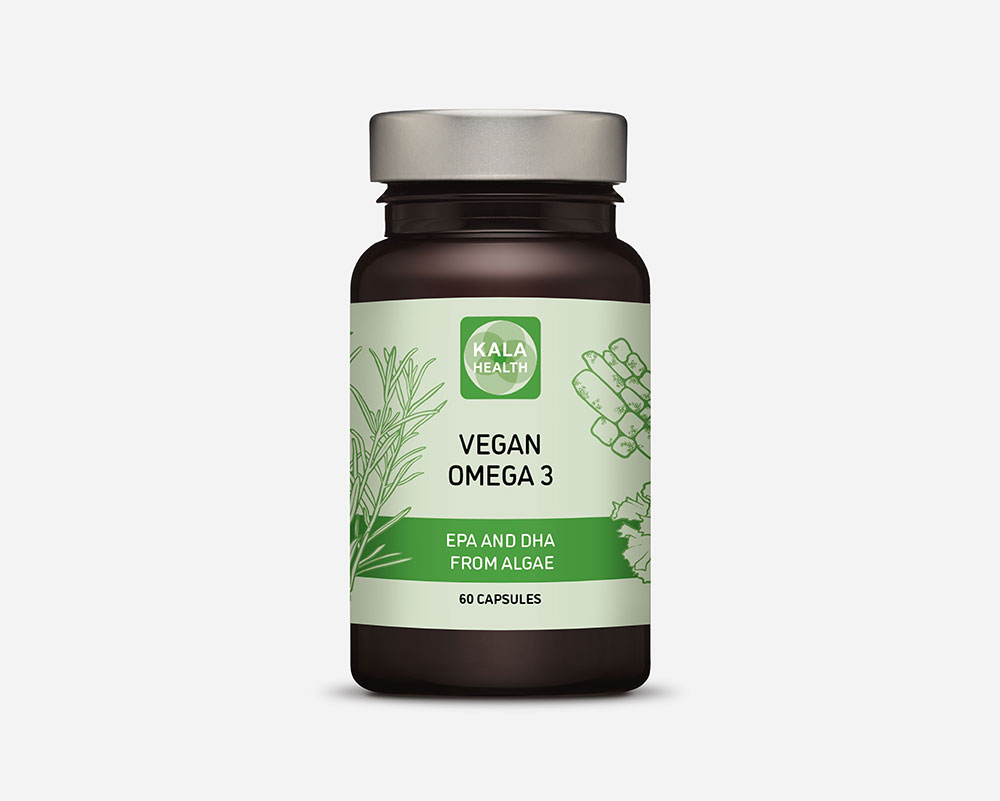
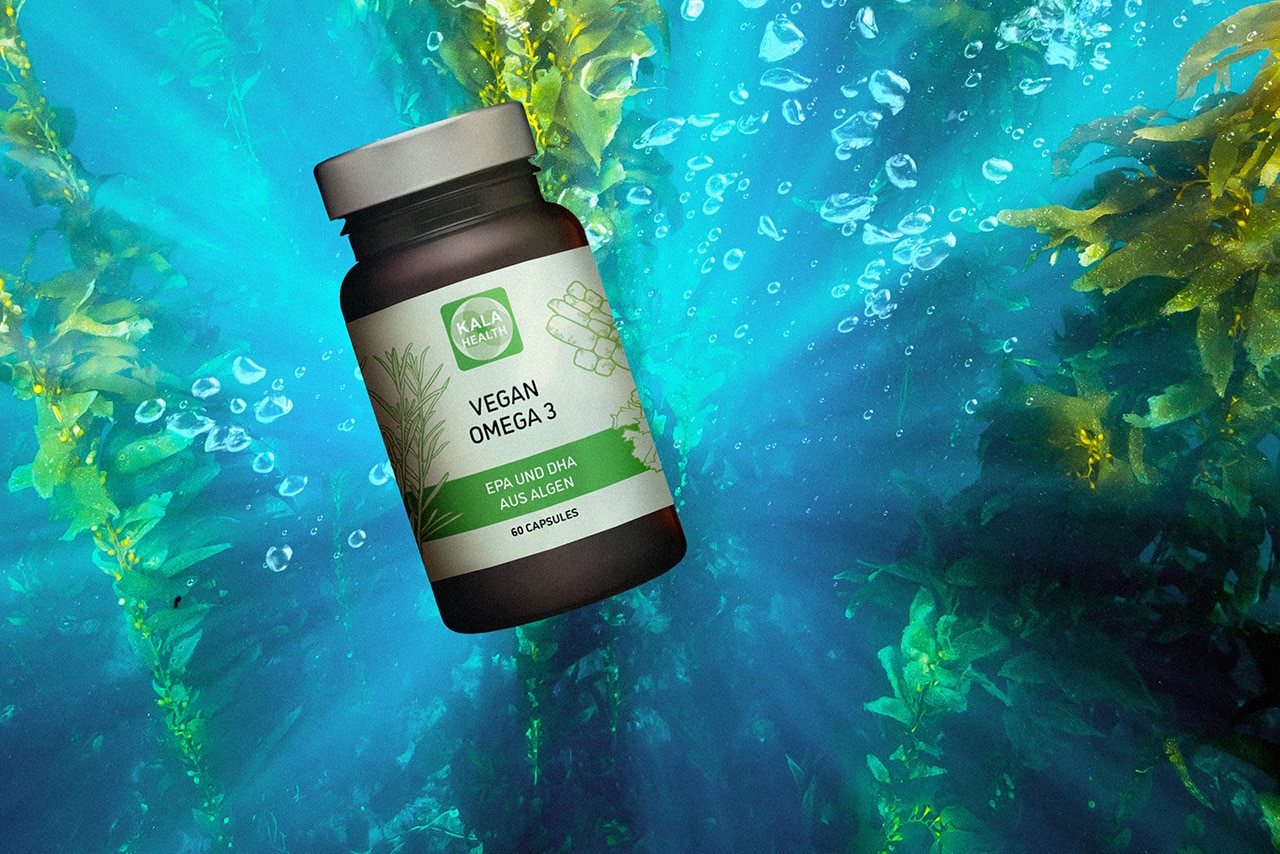
Kala Health Vegan Omega-3
At Kala Health, we have a sustainable solution: Vegan Omega-3 capsules based on algal oil from Schizochytrium sp., which allows you to get EPA and DHA directly, without your body having to convert it first.
Key features:
- Entirely plant-based and sustainable, with no reliance on fish or overfishing.
- Rich source of EPA and DHA – per two capsules: 250 mg EPA + 750 mg DHA = 1000 mg total omega 3 fatty acids.
- Addition of vitaminE (as an antioxidant) to prevent oxidation of omega 3 fatty acids, which maintains quality and efficacy
- Usage & dosage: adults 1-2 capsules daily preferably with a meal.
A supplement is not a substitute for a varied diet; expert advice is recommended when pregnant or taking medication.

Practical tips for getting enough omega 3
- Add an ALA-rich source to your meals daily (for example, flaxseed, chia or walnuts).
- Balance your omega 6 intake by limiting oils such as sunflower oil.
- Consider an algal oil supplement such as Kala Health Vegan Omega-3 to get EPA and DHA directly, in EFSA-recommended amounts.
Conclusion
Even without fish, you can get your omega 3 supply up to par. With ALA-rich plant foods and a high-quality algae oil supplement such as Kala Health Vegan Omega-3, you can prevent deficiencies and meet the important nutritional requirements of EPA and DHA.
Onze producten
Voor een gezonde levensstijl
-
 Select options This product has multiple variants. The options may be chosen on the product page
OptiMSM® Powder
 250, 500, 1.000 or 5.000 gramFrom: € 29,95
 -
 Select options This product has multiple variants. The options may be chosen on the product page
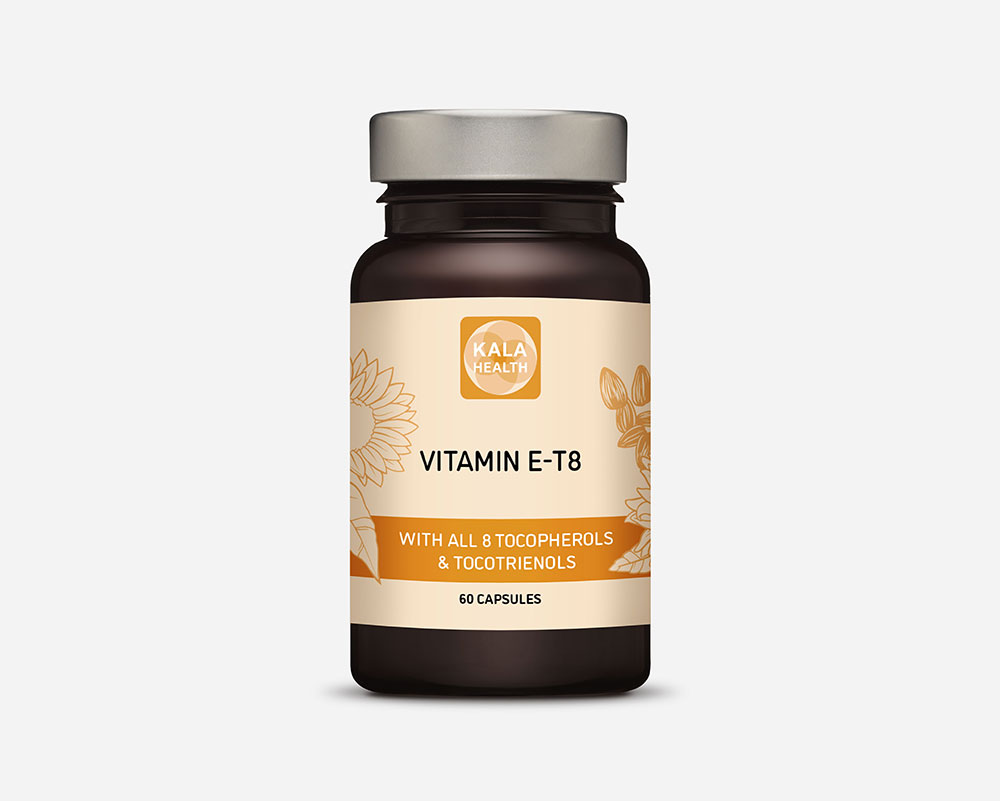
Vitamin E T8 Complete
 60 or 180 softgelsFrom: € 44,95
 -
 Select options This product has multiple variants. The options may be chosen on the product page
OptiMSM® Gel
 200mlFrom: € 19,95
 -
 Select options This product has multiple variants. The options may be chosen on the product page
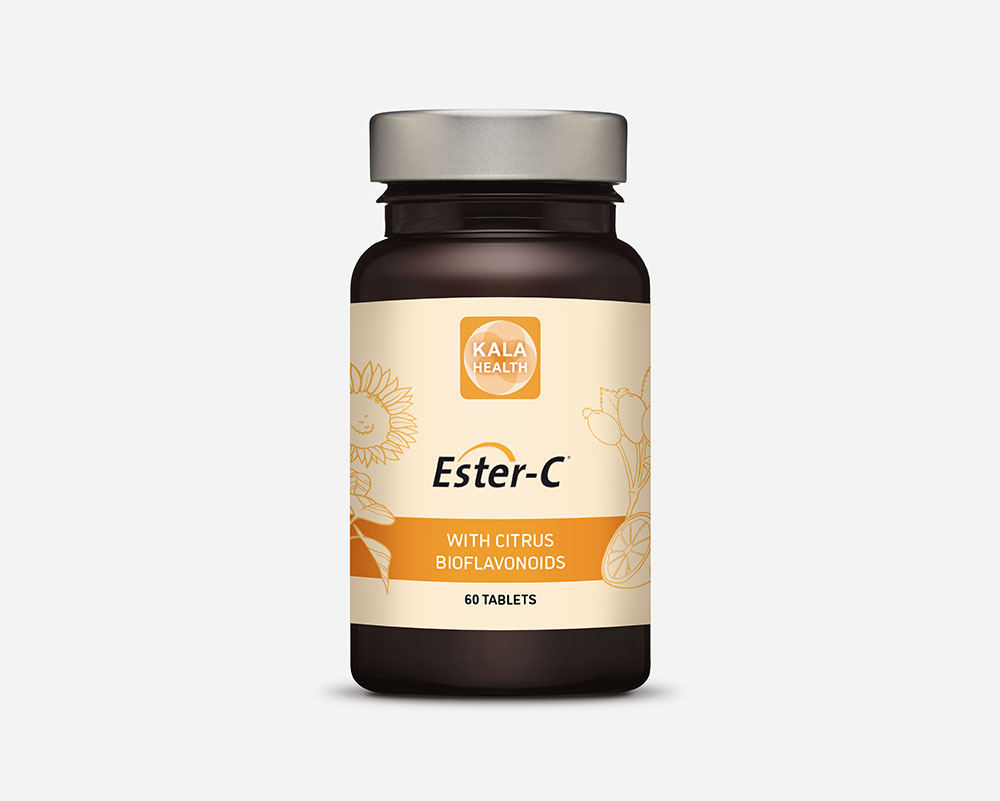
Vitamin C Ester-C
 60 or 180 tabletsFrom: € 34,95
 -
 Select options This product has multiple variants. The options may be chosen on the product page
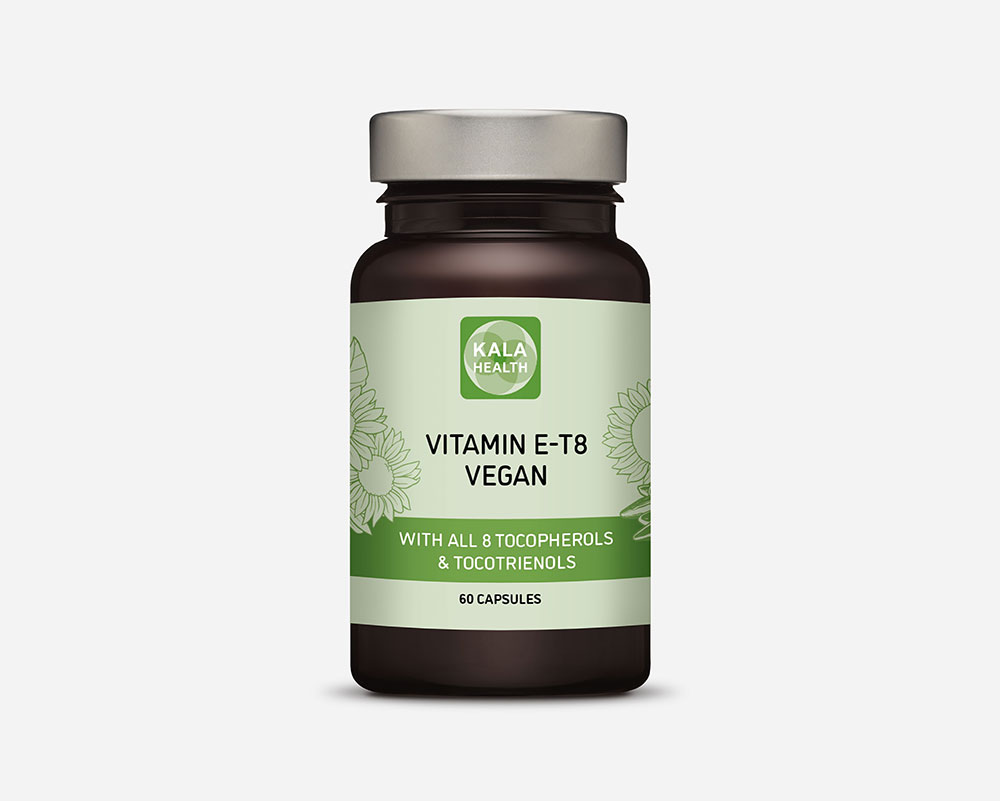
Vitamin E T8 Vegan
 60 or 180 licaps®From: € 39,95
 -
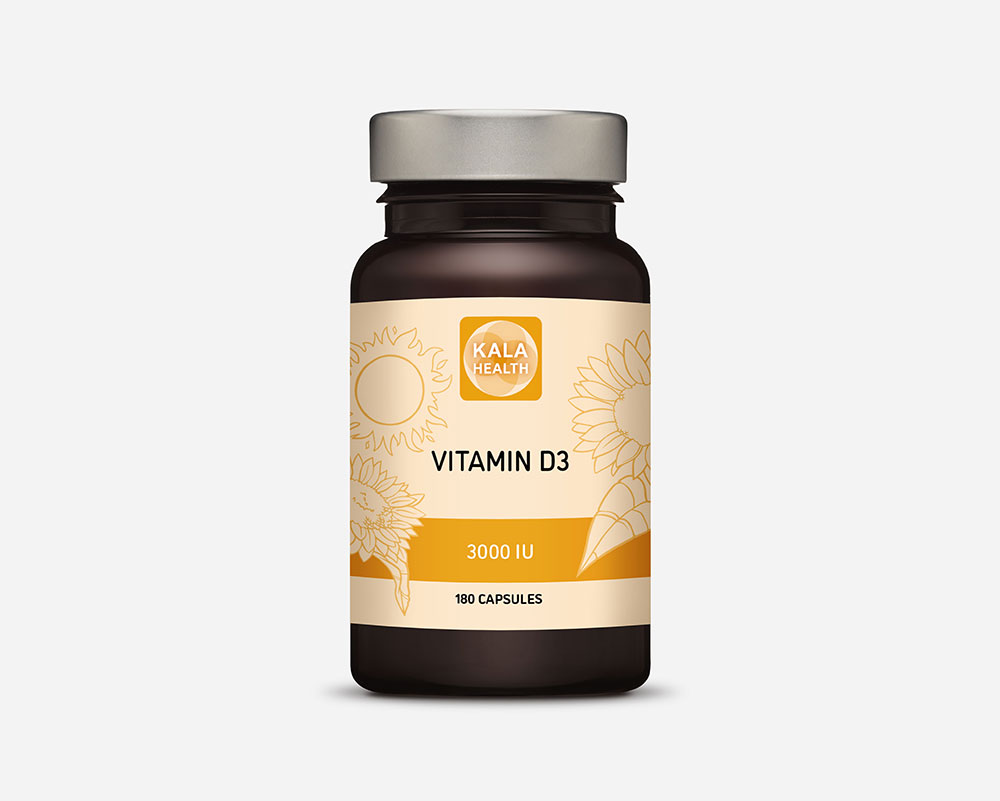 Select options This product has multiple variants. The options may be chosen on the product page
Vitamin D3 3000 IU
180 or 365 softgelsFrom: € 24,95 -
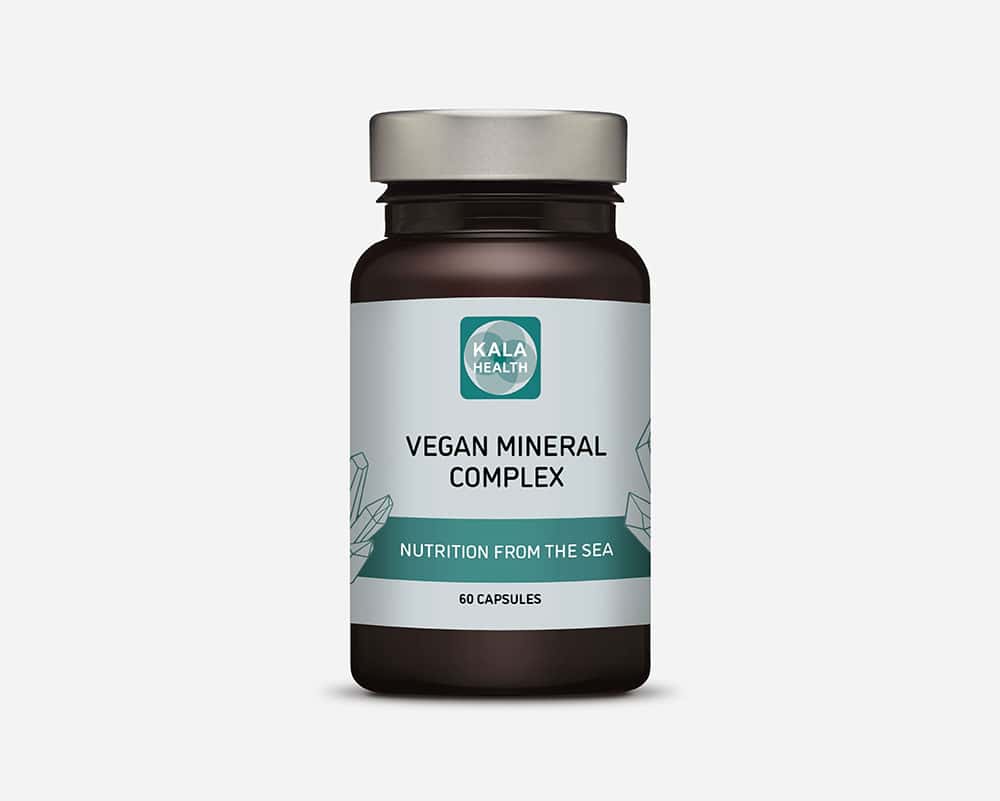 Select options This product has multiple variants. The options may be chosen on the product page
Vegan Mineral Complex
 60 or 180 capsulesFrom: € 24,95
 -
 Select options This product has multiple variants. The options may be chosen on the product page
Vegan Mushroom Mix BIO
60 or 180 capsulesFrom: € 34,95 -
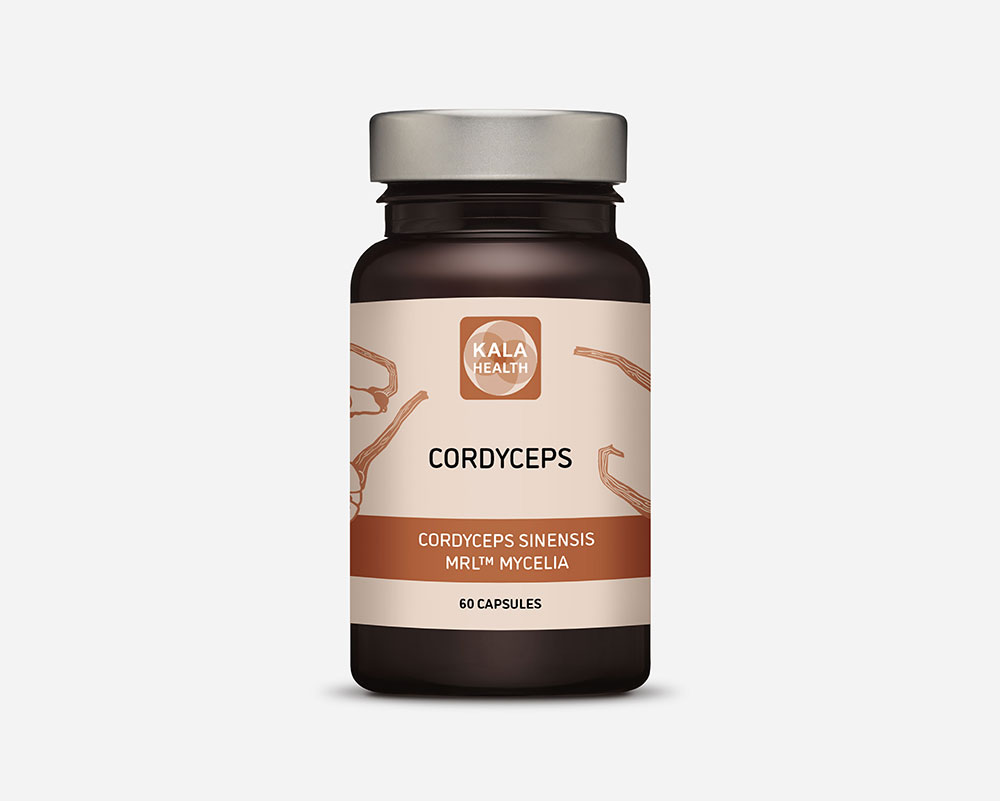 Select options This product has multiple variants. The options may be chosen on the product page
Cordyceps Vegan Capsules BIO
60 or 180 capsulesFrom: € 34,95 -
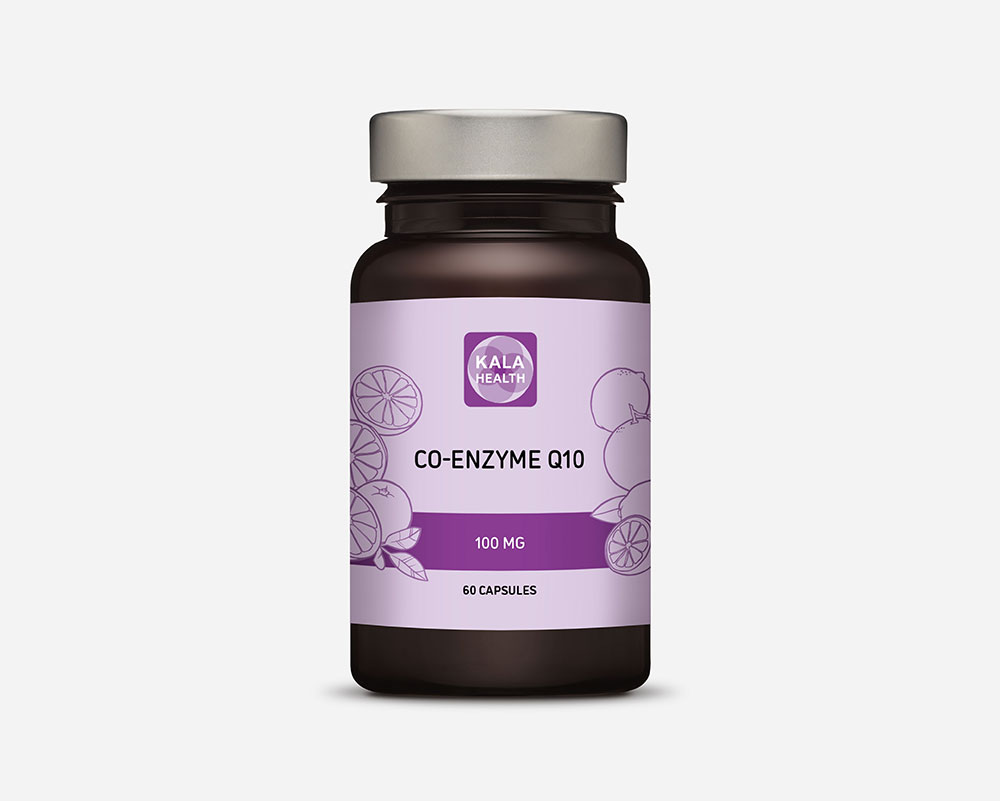 Select options This product has multiple variants. The options may be chosen on the product page
Coenzyme Q10
60 or 180 softgelsFrom: € 34,95 -
 Select options This product has multiple variants. The options may be chosen on the product page
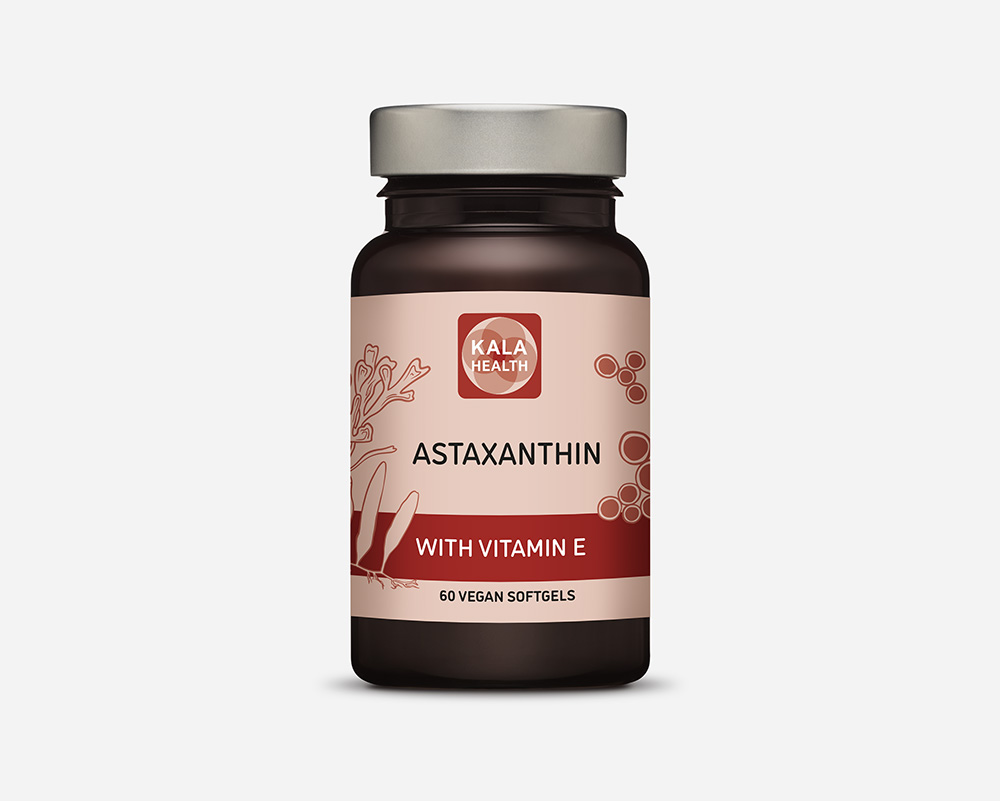
Astaxanthin
60 or 180 softgelsFrom: € 34,95 -
 Select options This product has multiple variants. The options may be chosen on the product page
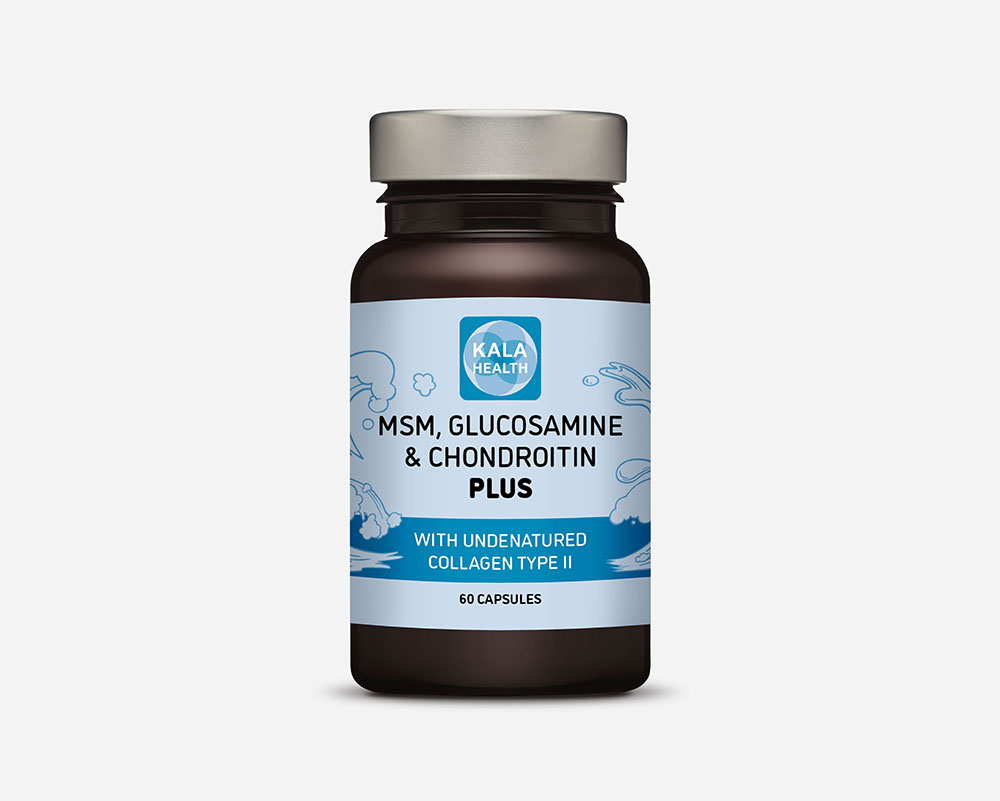
MSMGC Plus Capsules
60 or 180 capsulesFrom: € 39,95 -
 Select options This product has multiple variants. The options may be chosen on the product page
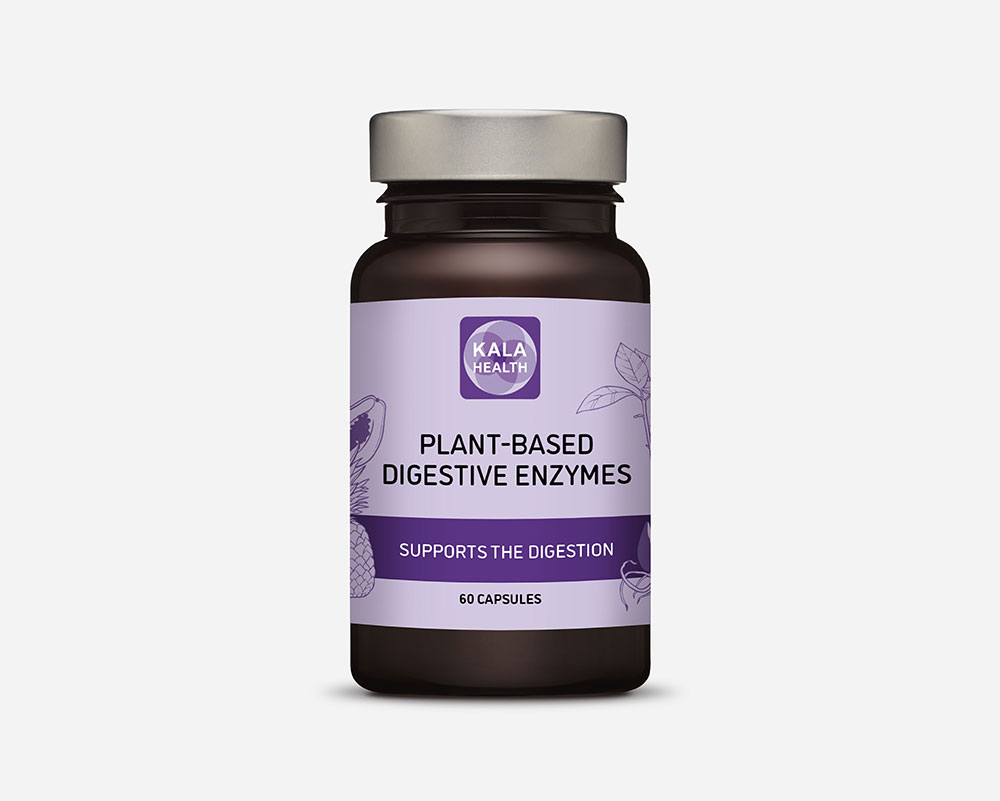
Natural Enzymes
60 or 180 Digestive Enzymes CapsulesFrom: € 29,95 -
 Select options This product has multiple variants. The options may be chosen on the product page
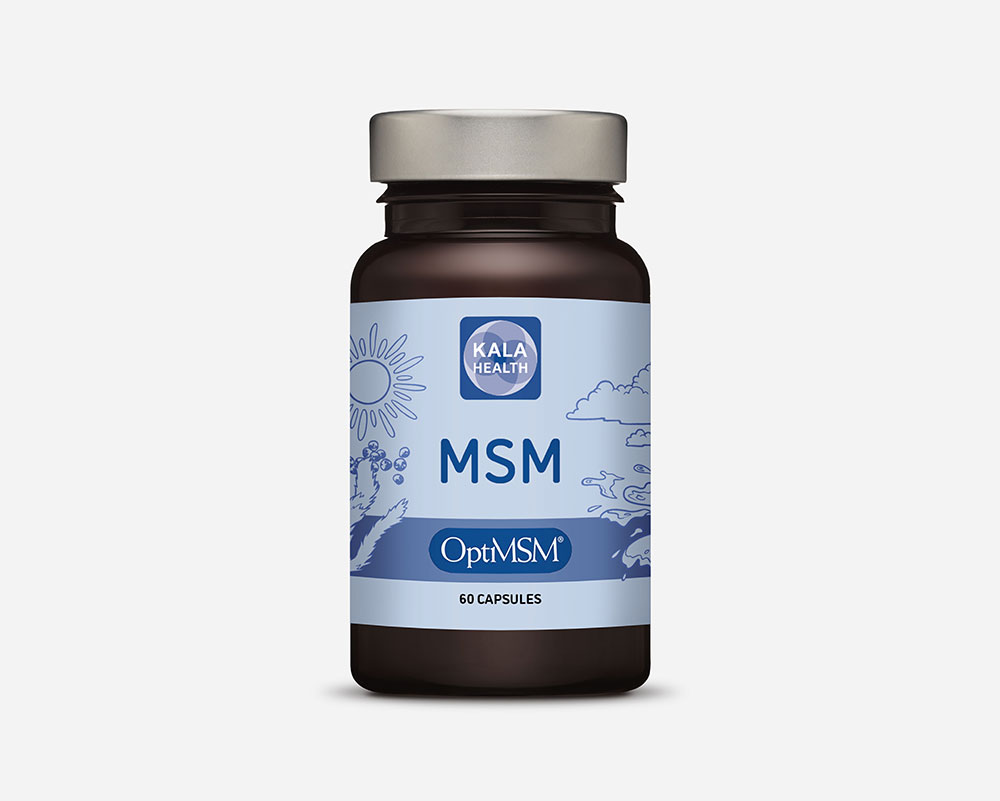
OptiMSM® Capsules
60 or 180 capsulesFrom: € 24,95 -
 Select options This product has multiple variants. The options may be chosen on the product page
MSMGC Tablets
60 or 180 tabletsFrom: € 24,95 -
 Select options This product has multiple variants. The options may be chosen on the product page
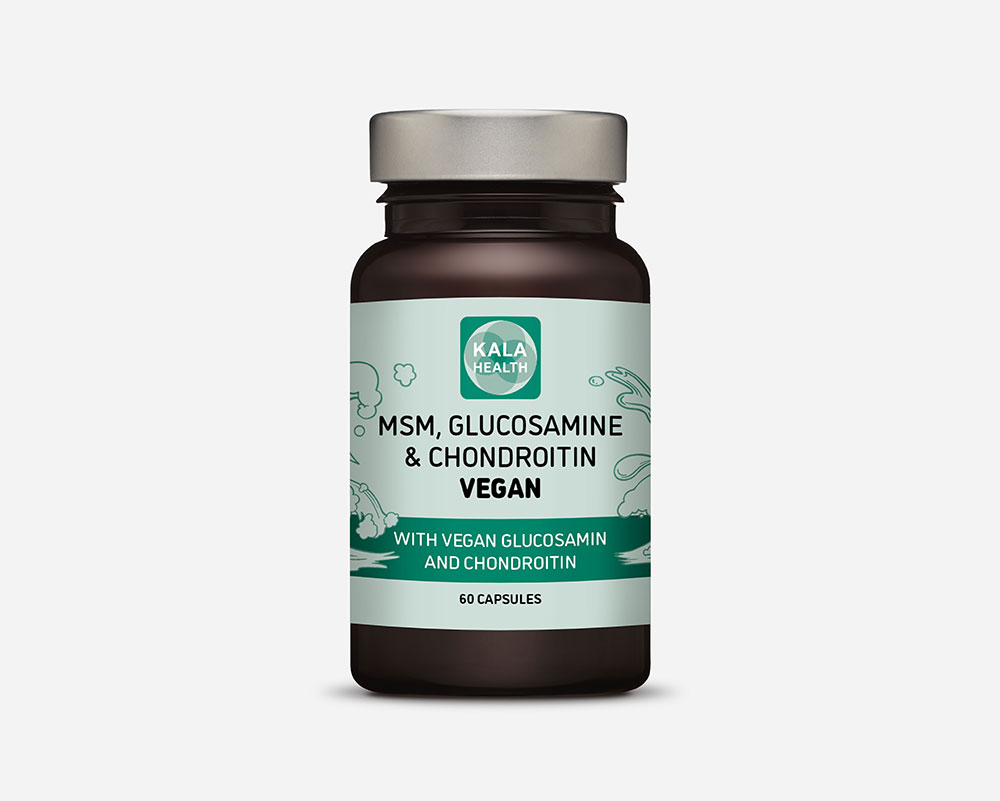
Vegan MSMGC Capsules
60 or 180 CapsulesFrom: € 49,95 -
 Select options This product has multiple variants. The options may be chosen on the product page
Glucosamine (NaturGlux®) Powder
500, 1.000 or 5.000 gramFrom: € 29,95 -
 Select options This product has multiple variants. The options may be chosen on the product page
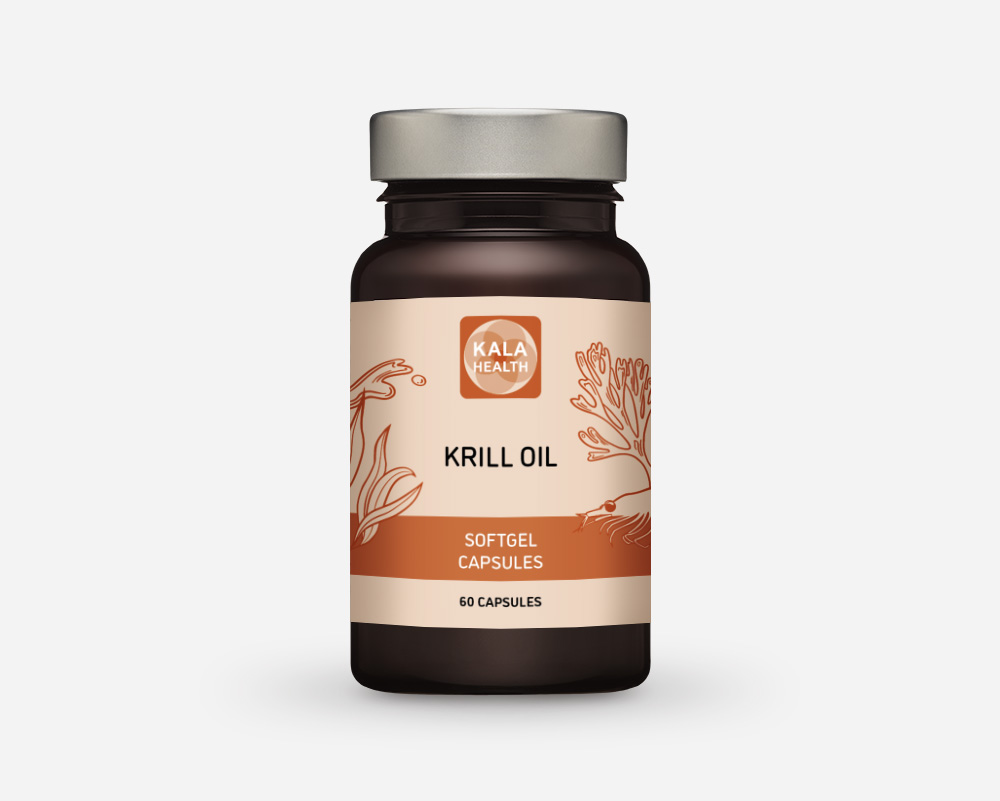
Krill oil
60 or 180 SoftgelsFrom: € 24,95 -
 Select options This product has multiple variants. The options may be chosen on the product page
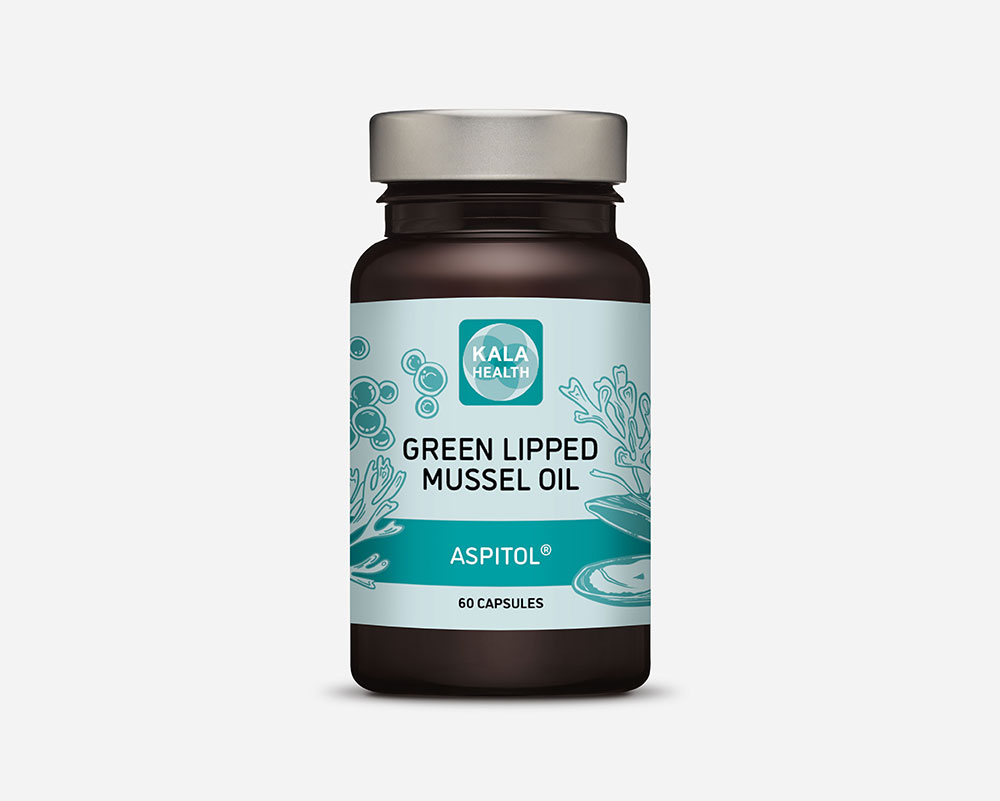
Green-lipped mussel oil (Aspitol®)
60 or 180 softgelsFrom: € 39,95 -
 Select options This product has multiple variants. The options may be chosen on the product page
Vegan Omega 3
60 or 180 softgelsFrom: € 49,95 -
 Select options This product has multiple variants. The options may be chosen on the product page
Skin Hair Nails
60 or 180 capsulesFrom: € 34,95 -
 Select options This product has multiple variants. The options may be chosen on the product page
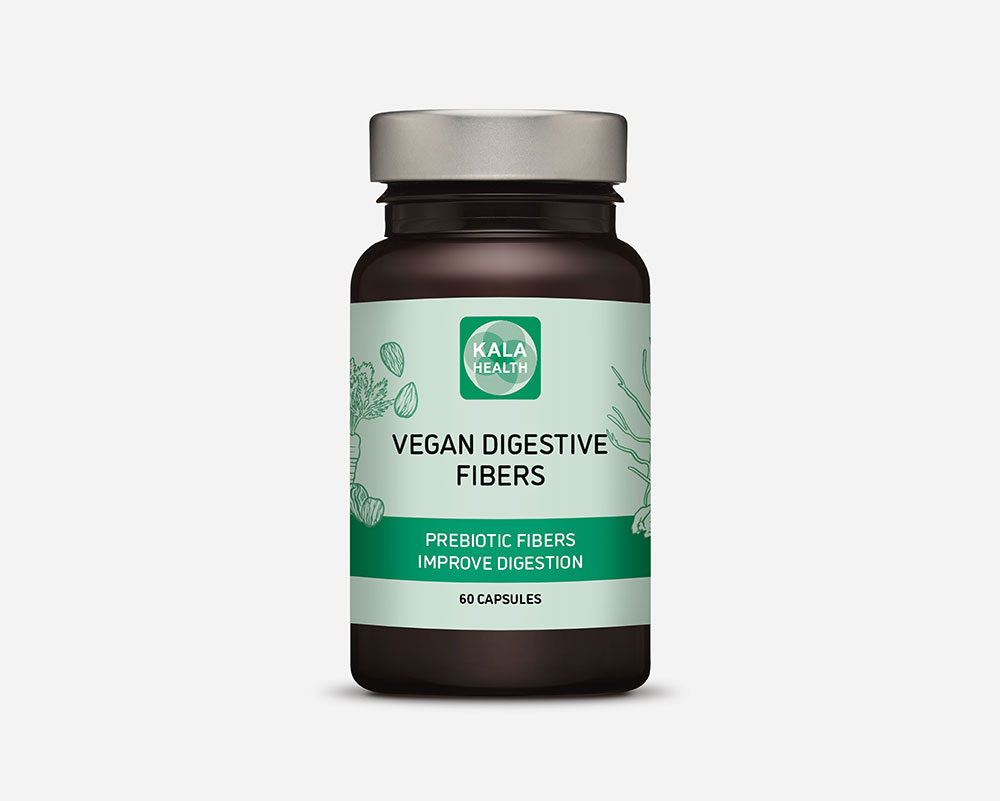
Vegan Digestive Fibers
60 or 180 capsulesFrom: € 29,95 -
 Select options This product has multiple variants. The options may be chosen on the product page
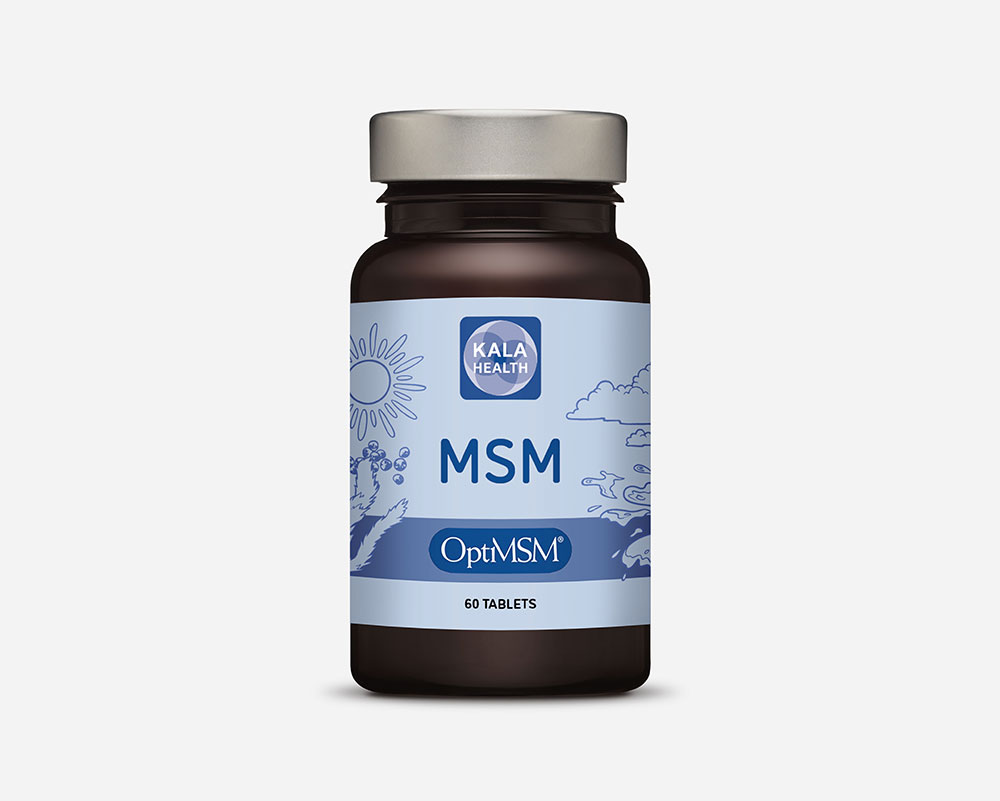
OptiMSM® Tablets
60 or 180 tabletsFrom: € 14,95 -
 Select options This product has multiple variants. The options may be chosen on the product page
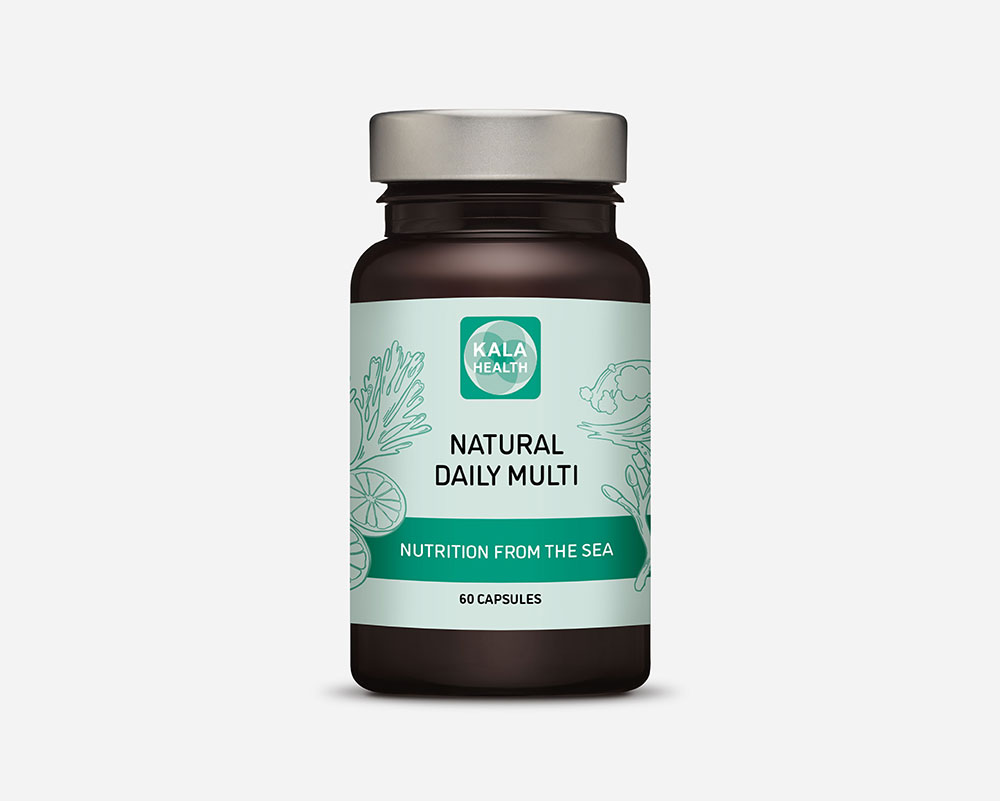
Natural Multivitamin
60 or 180 capsulesFrom: € 34,95 -
 Select options This product has multiple variants. The options may be chosen on the product page
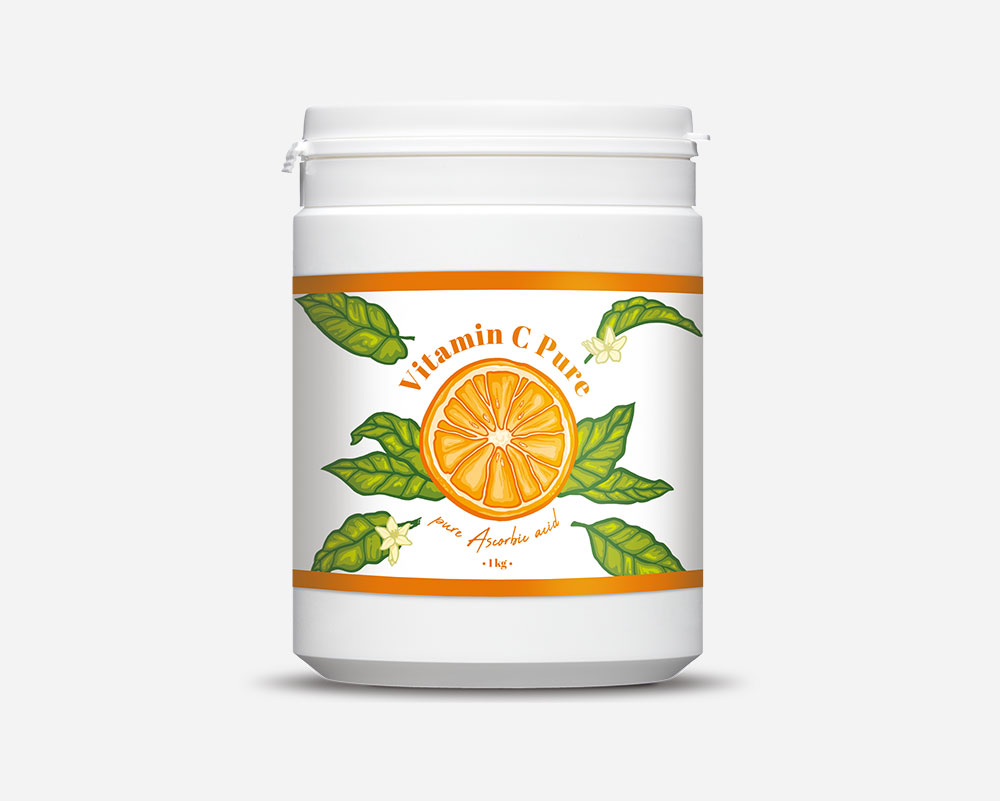
Vitamin C powder
100, 500, 1.000 or 5.000 gramFrom: € 15,95 -
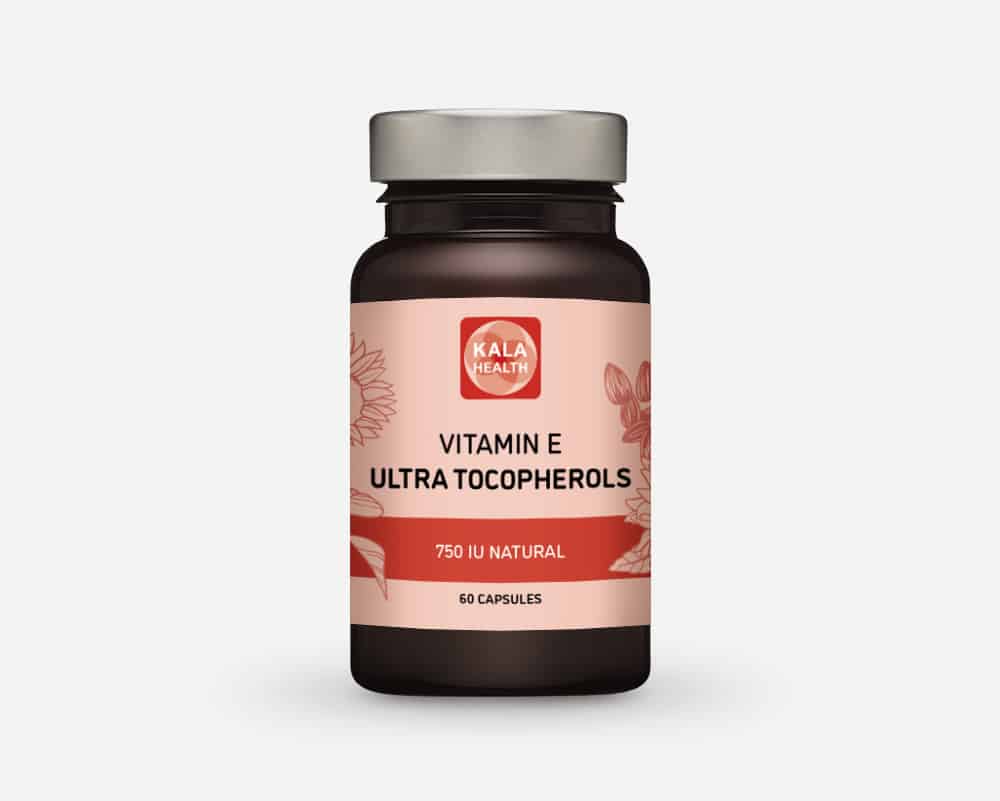 Select options This product has multiple variants. The options may be chosen on the product page
Vitamin E Ultra Tocopherols
60 or 180 Licaps®From: € 29,95 -
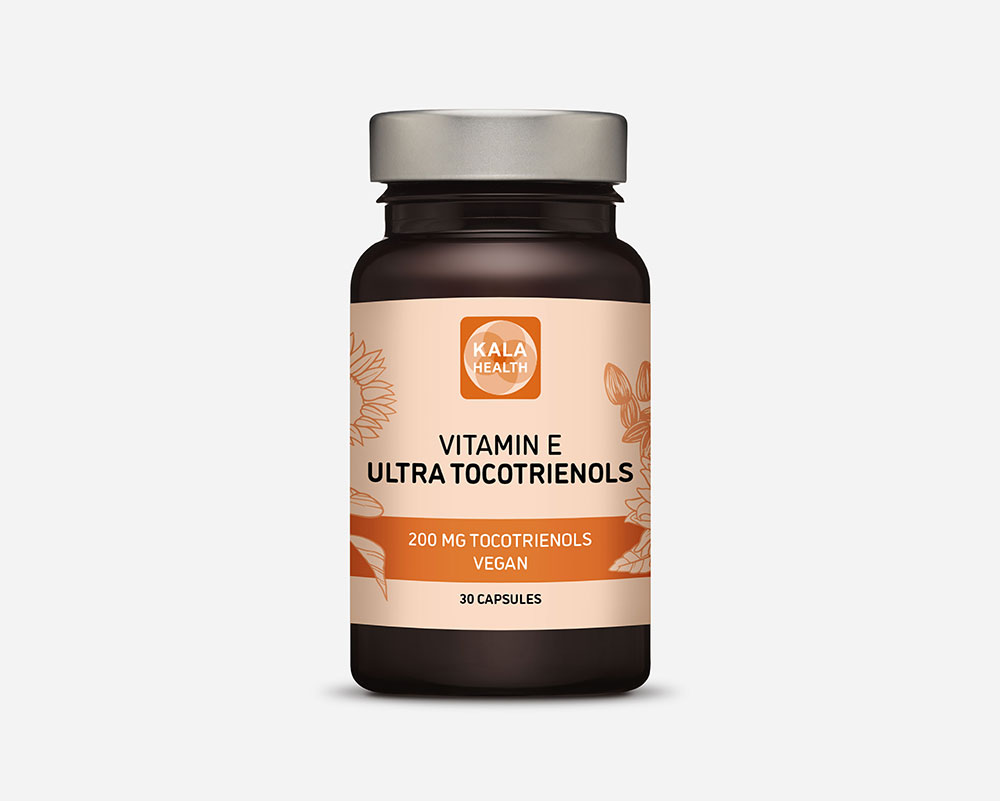 Select options This product has multiple variants. The options may be chosen on the product page
Vitamin E Ultra Tocotrienol
30, 60 or 180 licaps®From: € 49,95 -
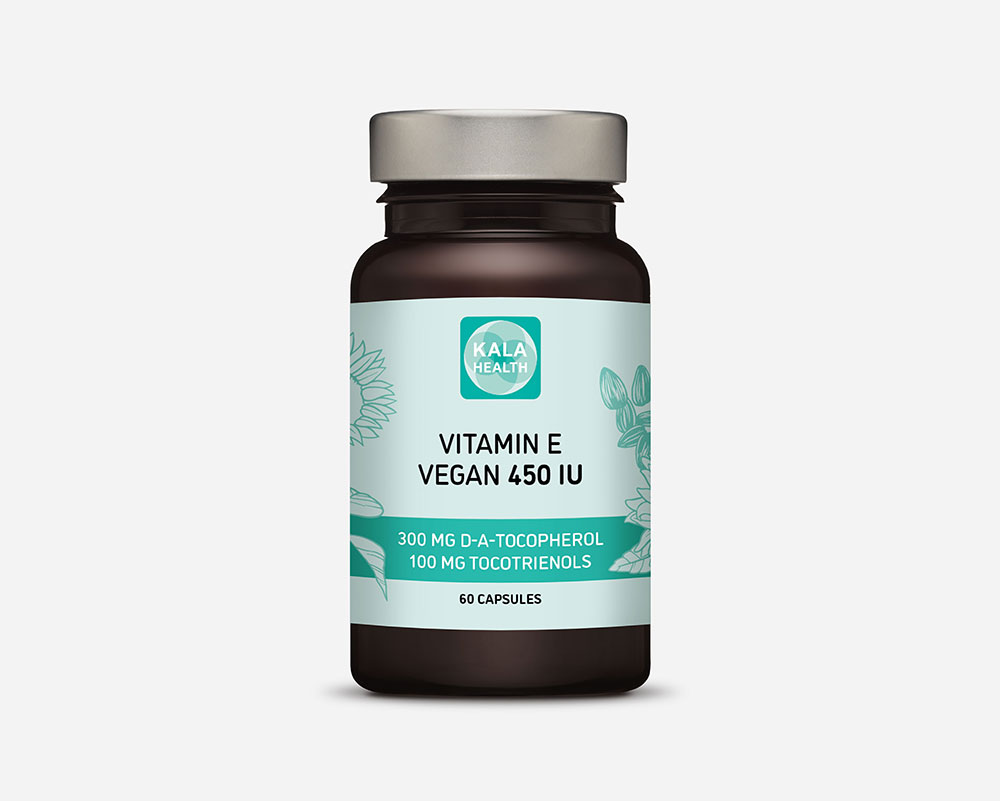 Select options This product has multiple variants. The options may be chosen on the product page
Vitamin E Strong 450IU/100mg
60 or 180 licaps®From: € 49,95 -
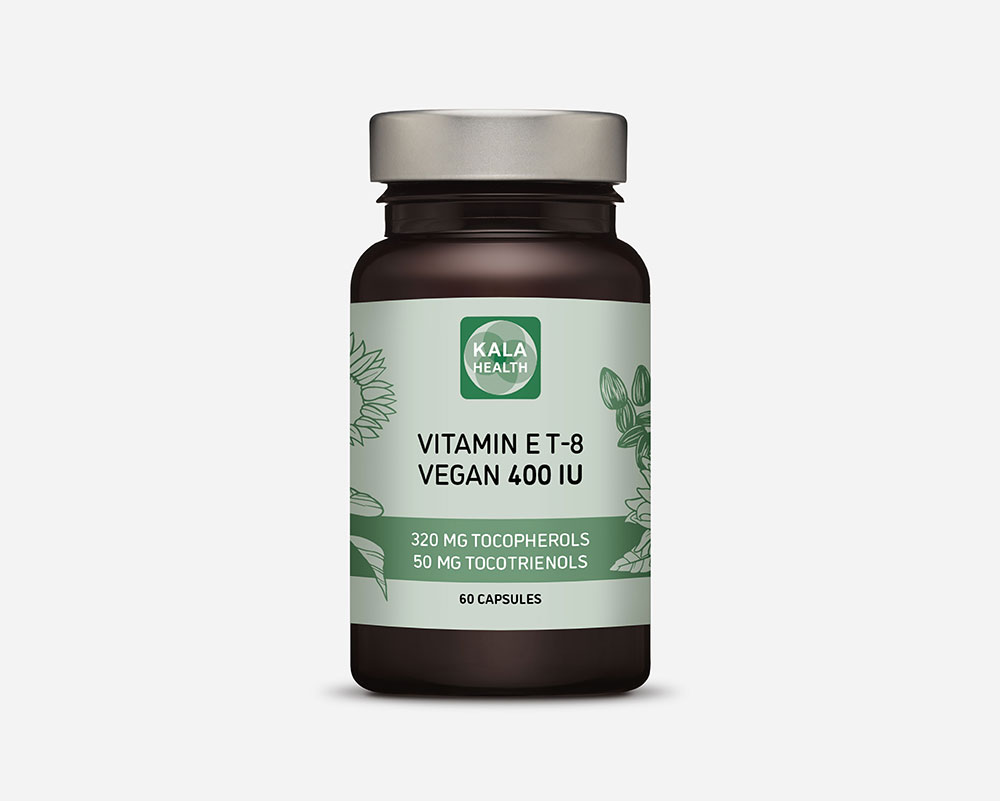 Select options This product has multiple variants. The options may be chosen on the product page
Vitamin E T8 MAX 400IU/50mg
60 or 180 licaps®From: € 44,95 -
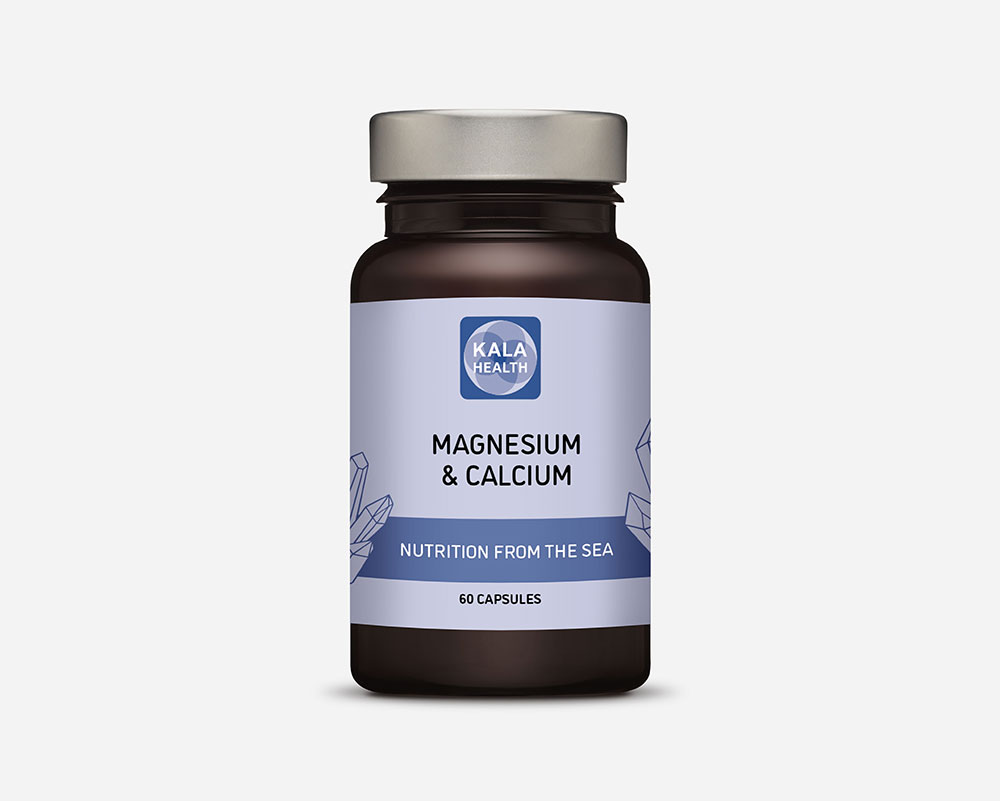 Select options This product has multiple variants. The options may be chosen on the product page
Magnesium & Calcium
60 or 180 capsulesFrom: € 24,95 -
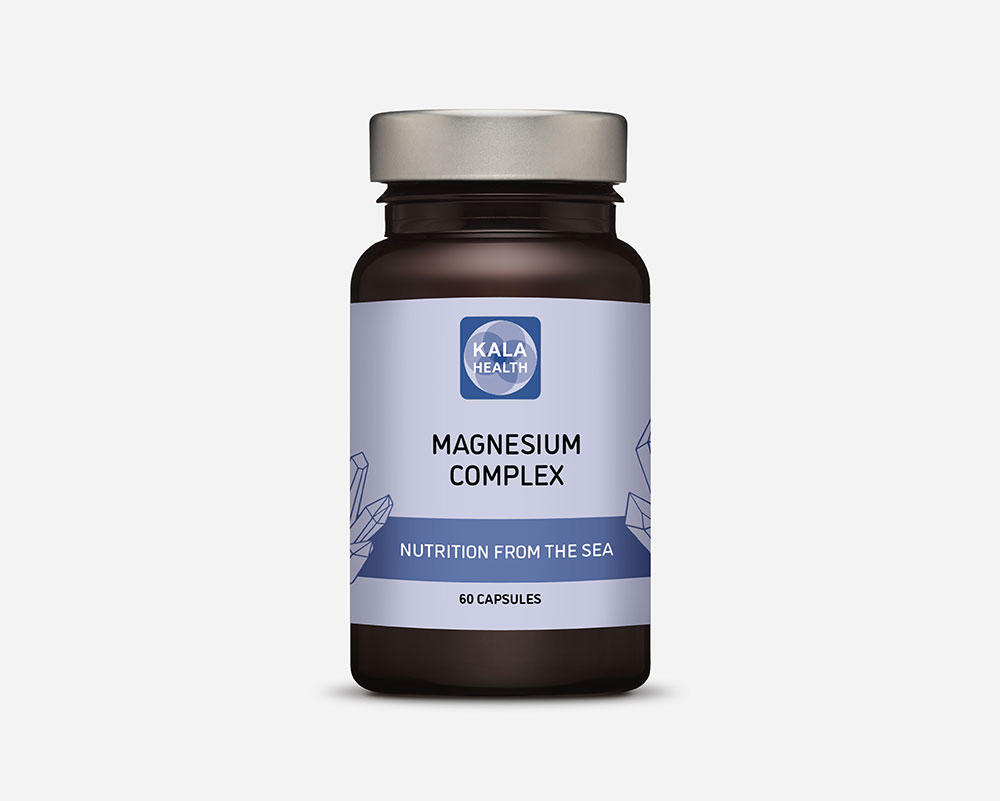 Select options This product has multiple variants. The options may be chosen on the product page
Magnesium Complex
60 or 180 capsulesFrom: € 24,95 -
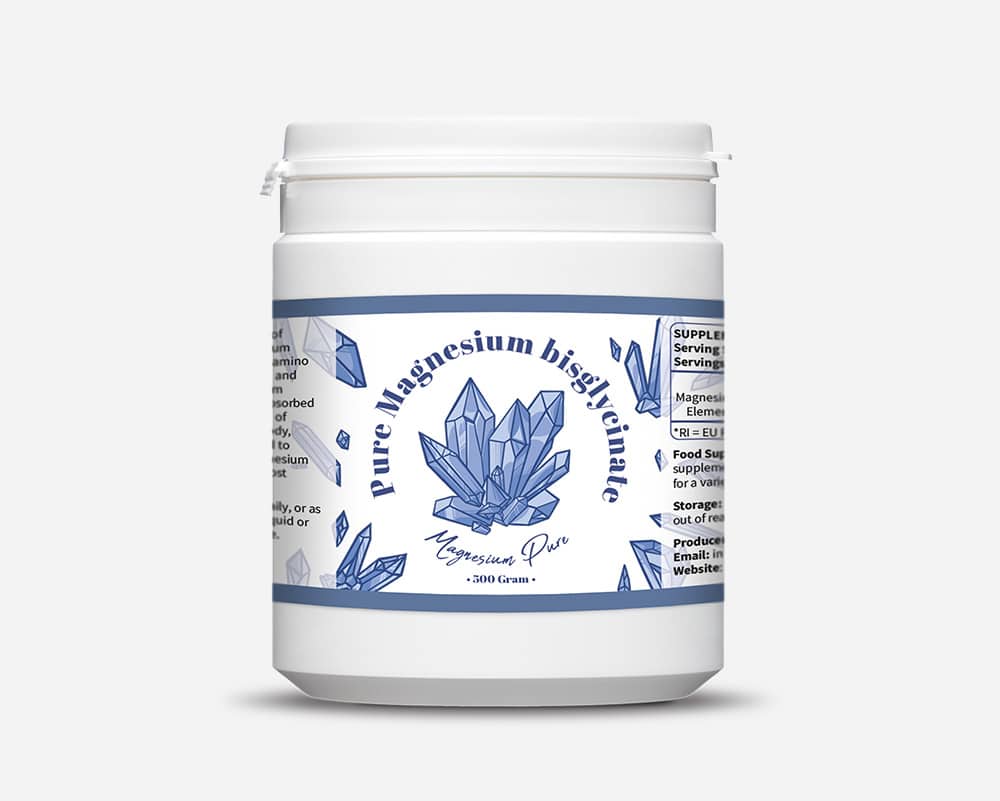 Select options This product has multiple variants. The options may be chosen on the product page
Magnesium Bisglycinate Powder
500 or 1,000 grams From: € 29,95 -
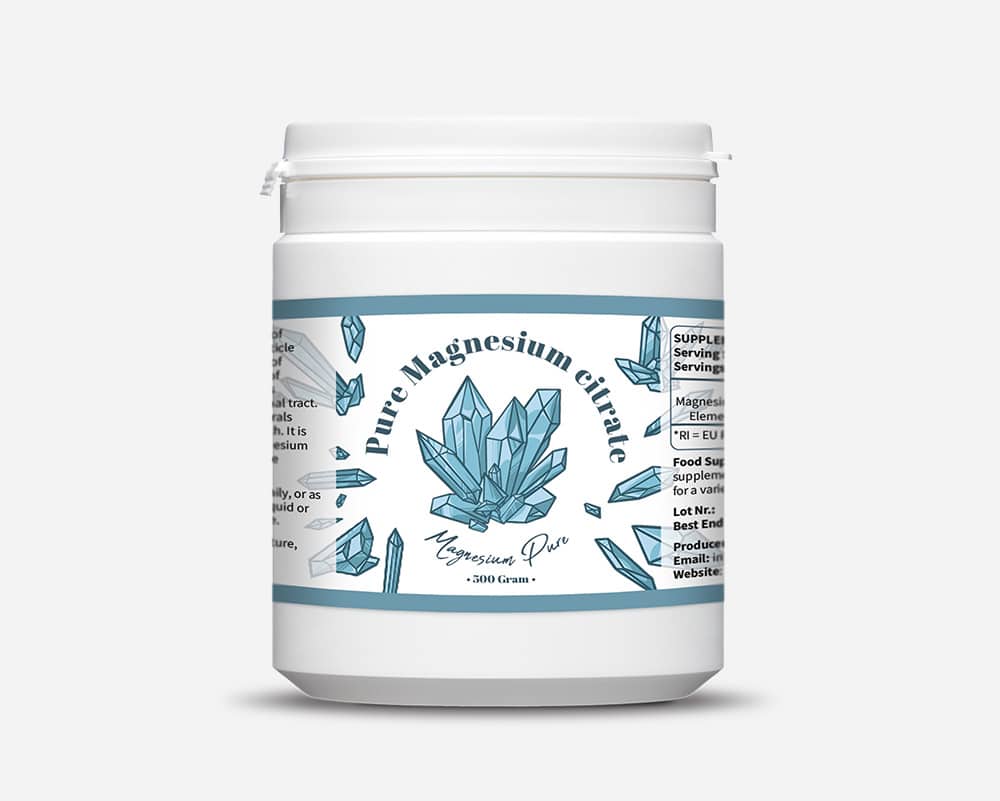 Select options This product has multiple variants. The options may be chosen on the product page
Magnesium Citrate Powder
500 or 1000 gramFrom: € 34,95 -
Sale
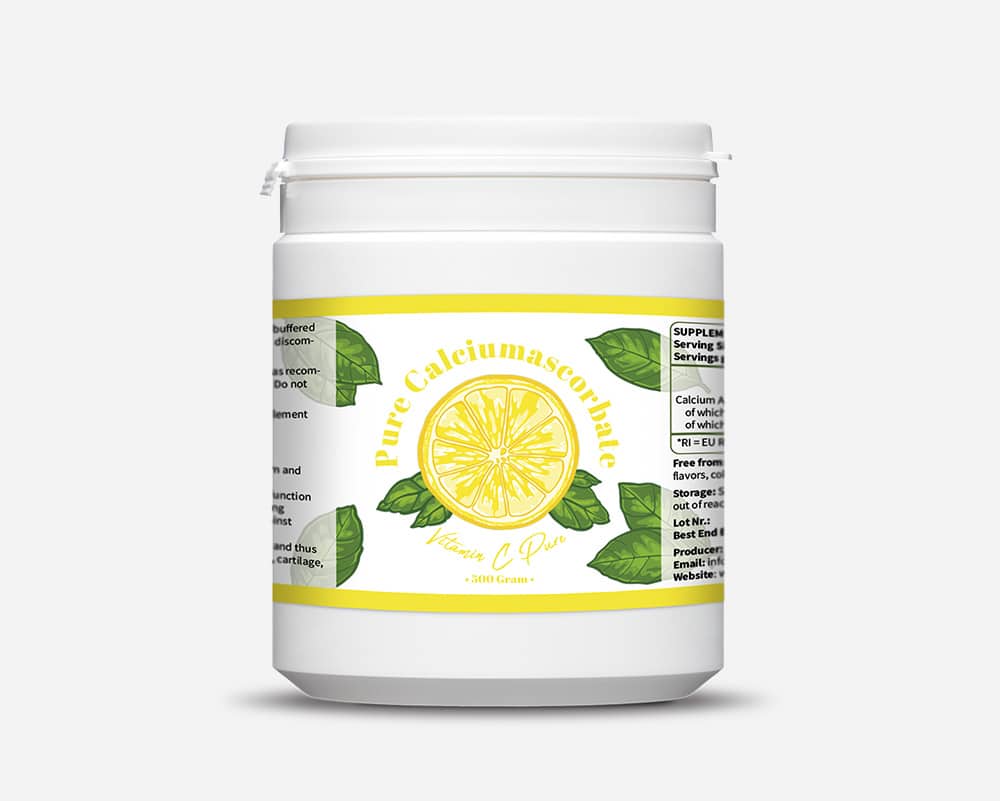 Select options This product has multiple variants. The options may be chosen on the product page
Calcium Ascorbate Powder
500 or 1000 gram From: € 19,95€ 12,95 -
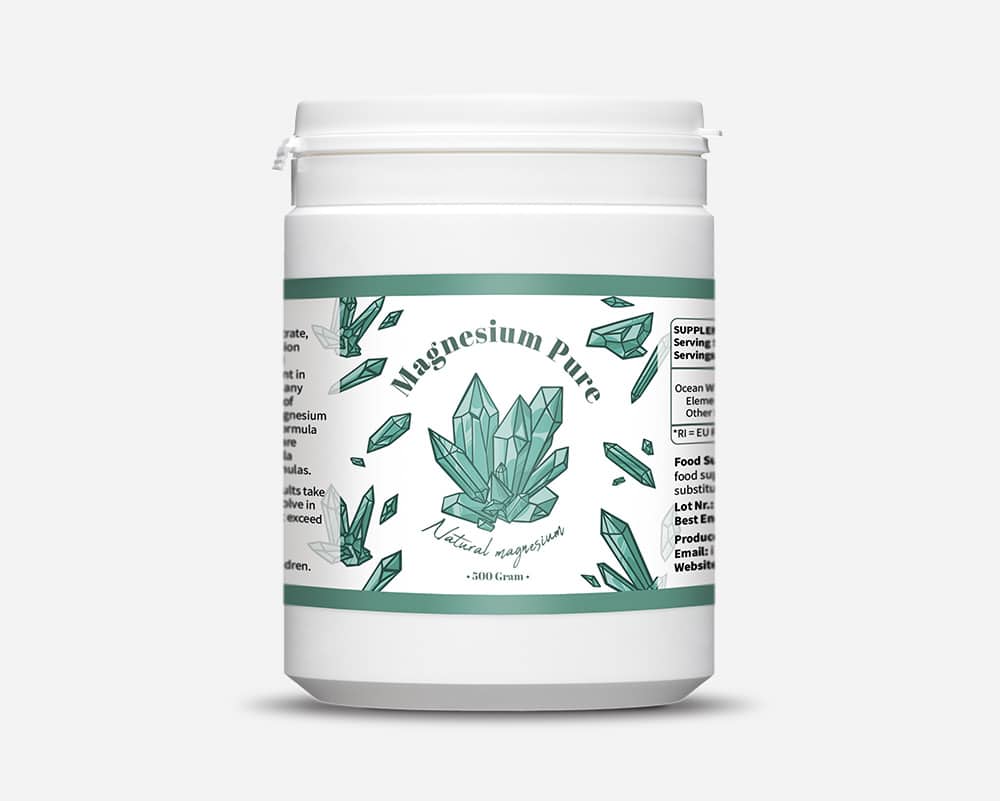 Select options This product has multiple variants. The options may be chosen on the product page
Magnesium Complex Powder
500 or 1000 gramFrom: € 44,95 -
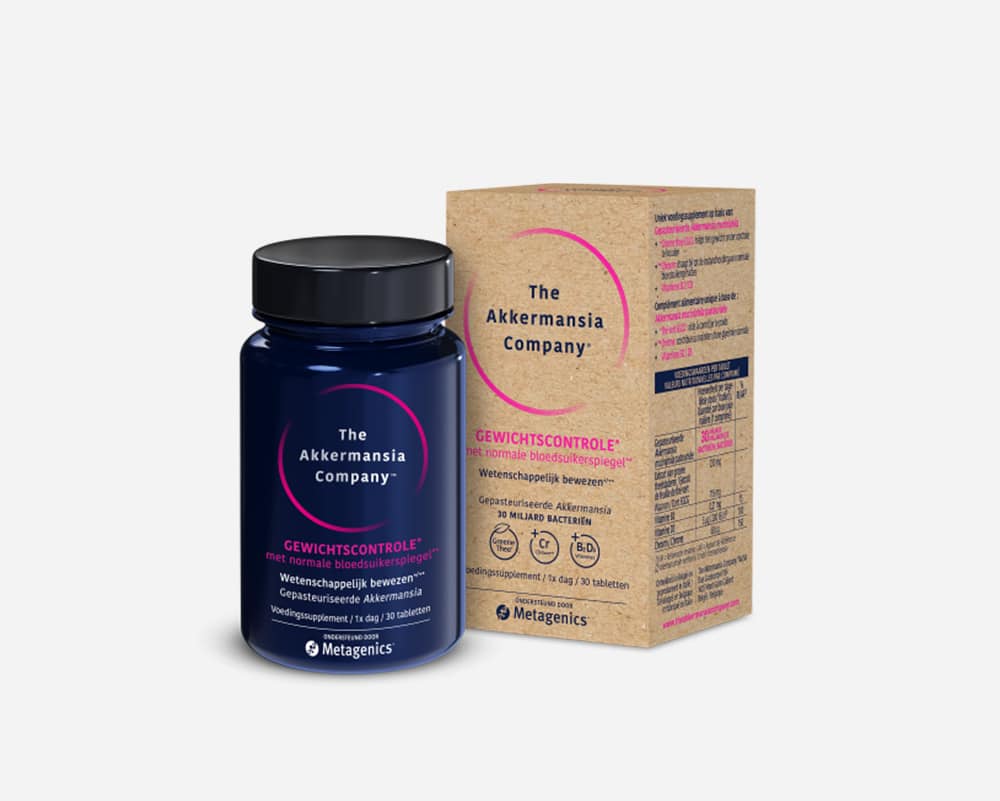 Select options This product has multiple variants. The options may be chosen on the product page
The Akkermansia Company® Weight Control
30 TabletsFrom: € 59,95 -
 Select options This product has multiple variants. The options may be chosen on the product page
Liposomal Ester-C®
60 or 180 capsulesFrom: € 44,95 -
 Select options This product has multiple variants. The options may be chosen on the product page
Magnesium Bisglycinate Tablets 200 mg
60 or 180 tabletsFrom: € 18,95 -
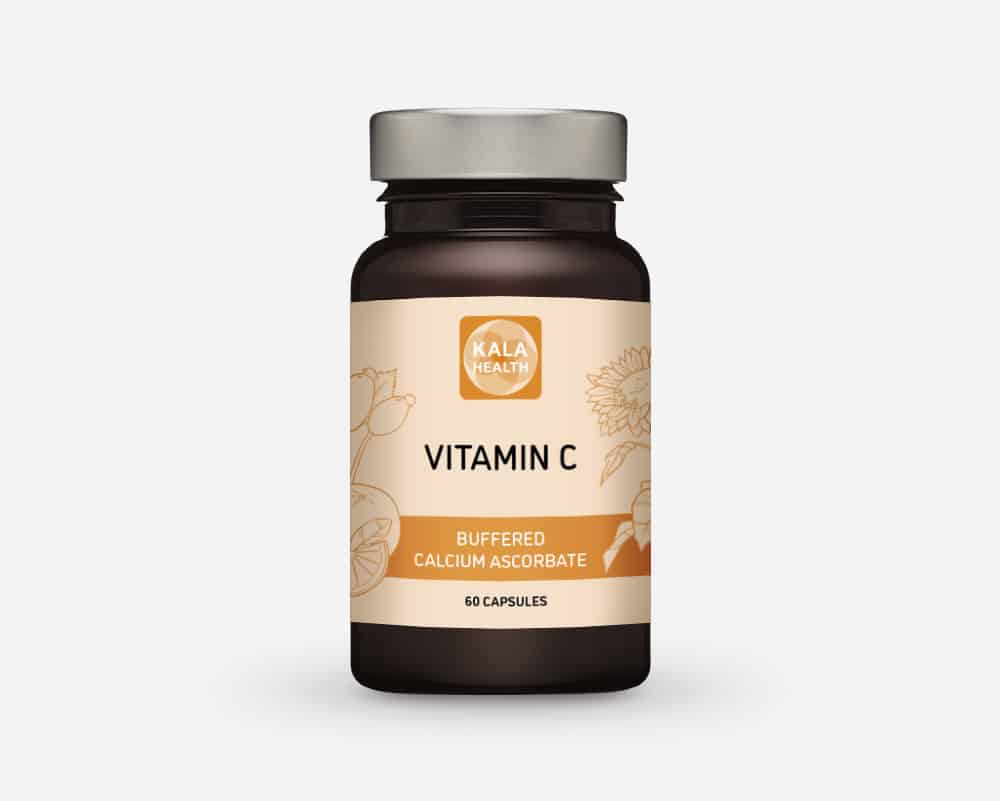 Select options This product has multiple variants. The options may be chosen on the product page
Calcium Ascorbate 600 mg
60, 180 or 365 capsulesFrom: € 19,95 -
Sale
 Select options This product has multiple variants. The options may be chosen on the product page
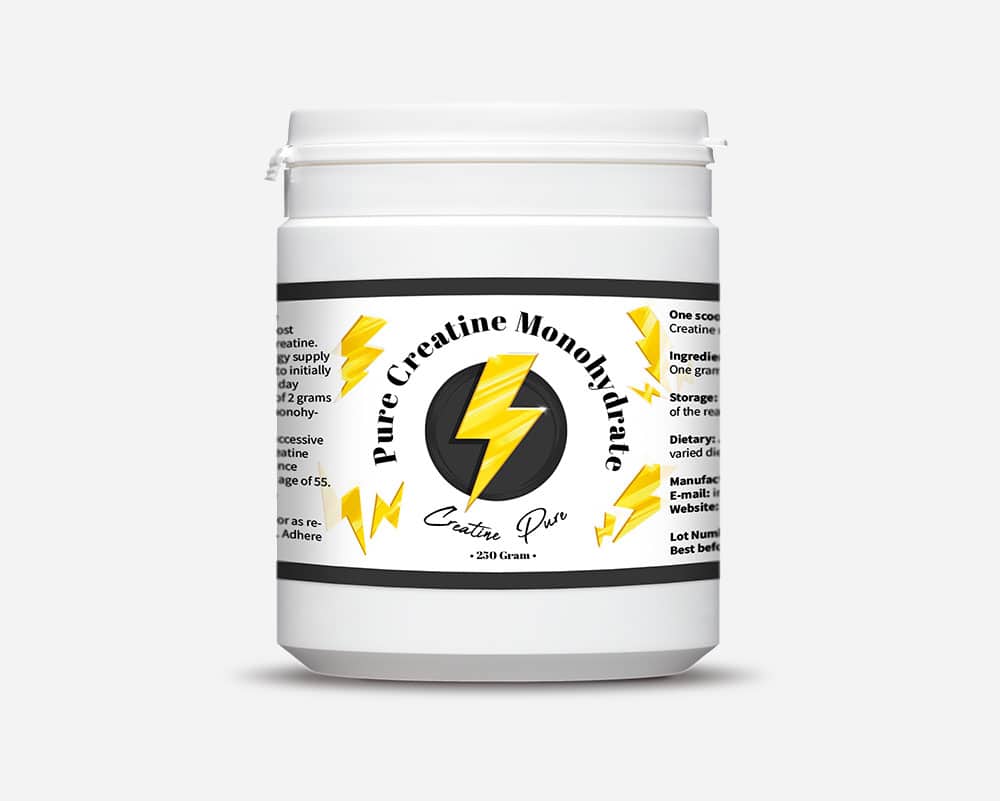
Creatine Monohydrate Powder
250 or 500 gramFrom: € 16,95€ 10,95 -
 Select options This product has multiple variants. The options may be chosen on the product page
Magnesium Citrate Tablets
60 or 180 tabletsFrom: € 24,95 -
 Select options This product has multiple variants. The options may be chosen on the product page
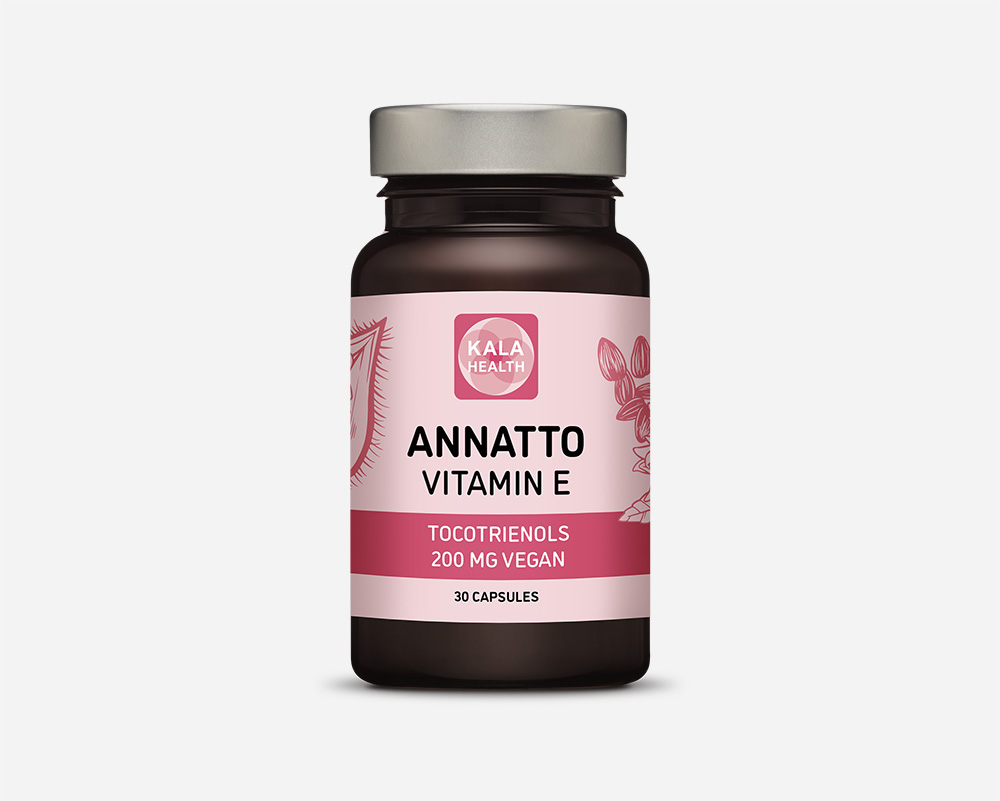
Annatto Vitamin E
30, 60 or 180 licaps®From: € 46,95 -
Sale
 Select options This product has multiple variants. The options may be chosen on the product page
Liposomal B complex
60 or 180 capsulesFrom: € 24,95€ 12,50 -
 Select options This product has multiple variants. The options may be chosen on the product pageFrom: € 34,95
 -
 Select options This product has multiple variants. The options may be chosen on the product page
Chaga Bio
60 or 180 capsulesFrom: € 29,95 -
 Select options This product has multiple variants. The options may be chosen on the product page
Liposomal Curcumin
60 or 180 capsulesFrom: € 49,95 -
 Select options This product has multiple variants. The options may be chosen on the product page
Vitamin D3 + K2 50mcg / 75mcg
60 or 180 capsulesFrom: € 24,95 -
 Select options This product has multiple variants. The options may be chosen on the product page
The Akkermansia Company® Gut Support
30 tabletsFrom: € 59,95 -
 Select options This product has multiple variants. The options may be chosen on the product page
Rhodiola Extract
60 or 180 capsulesFrom: € 34,95 -
 Select options This product has multiple variants. The options may be chosen on the product page
Skin, Hair & Nail + OptiMSM® Gel
Capsules + GelFrom: € 49,95 -
 Select options This product has multiple variants. The options may be chosen on the product page
OptiMSM® Powder + Green-lipped Mussel Oil (Aspitol®)
Aspitol® capsules + OptiMSM® PowderFrom: € 59,95 -
 Select options This product has multiple variants. The options may be chosen on the product page
Magnesium Complex powder + Vitamin D3 + K2 (50 mcg/ 75 mcg)
Magnesium Complex powder + D3 + K2 capsulesFrom: € 54,95 -
Sale
 Select options This product has multiple variants. The options may be chosen on the product page
Magnesium Bisglycinate Tablets 100 mg
60 or 180 tabletsFrom: € 14,95€ 9,95 -
 Select options This product has multiple variants. The options may be chosen on the product page
Liposomal Magnesium capsules
60 or 180 capsulesFrom: € 39,95 -
 Select options This product has multiple variants. The options may be chosen on the product page
Magnesium Bisglycinate Capsules
200 mg of magnesium per capFrom: € 18,95 -
 Select options This product has multiple variants. The options may be chosen on the product page
Daily Essentials Bundle
180 capsulesFrom: € 64,95 -
 Select options This product has multiple variants. The options may be chosen on the product page
Better Sleep Bundle
Powder and capsulesFrom: € 54,95 -
 Select options This product has multiple variants. The options may be chosen on the product page
Better Skin Bundle
Capsules and GelFrom: € 89,95 -
 Select options This product has multiple variants. The options may be chosen on the product page
OptiMSM® Powder Peach
Fine powderFrom: € 34,95 -
 Select options This product has multiple variants. The options may be chosen on the product page
OptiMSM® Powder Matcha
Fine powderFrom: € 34,95 -
 Select options This product has multiple variants. The options may be chosen on the product page
OptiMSM® Powder Lemon
Fine powderFrom: € 34,95 -
 Select options This product has multiple variants. The options may be chosen on the product page
Chaga BIO Powder
PowderFrom: € 34,95 -
 Select options This product has multiple variants. The options may be chosen on the product page
Cordyceps Powder BIO
PowderFrom: € 79,95 -
 Select options This product has multiple variants. The options may be chosen on the product page
Maitake BIO Powder
PowderFrom: € 37,95 -
 Select options This product has multiple variants. The options may be chosen on the product page
Reishi BIO Powder
PowderFrom: € 39,95 -
 Select options This product has multiple variants. The options may be chosen on the product page
Better Immunity Bundle
Powder and capsulesFrom: € 59,95 -
 Select options This product has multiple variants. The options may be chosen on the product page
Shiitake BIO Powder
PowderFrom: € 37,95 -
 Select options This product has multiple variants. The options may be chosen on the product page
Lion’s Mane Organic Powder
PowderFrom: € 37,95 -
 Select options This product has multiple variants. The options may be chosen on the product page
More Energy Bundle
Powder and capsulesFrom: € 94,95 -
 Select options This product has multiple variants. The options may be chosen on the product page
Joints Bundle
Capsules + creamFrom: € 84,95 -
 Select options This product has multiple variants. The options may be chosen on the product page
Liposomal Vitamin B12 + Folate
60 or 180 capsulesFrom: € 19,95 -
 Select options This product has multiple variants. The options may be chosen on the product page
Liposomal Resveratrol
60 and 180 capsulesFrom: € 49,95 -
 Select options This product has multiple variants. The options may be chosen on the product page
Liposomal PEA
60 and 180 capsulesFrom: € 29,95 -
 Select options This product has multiple variants. The options may be chosen on the product page
Liposomal Quercetin
60 and 180 capsulesFrom: € 29,95 -
 Select options This product has multiple variants. The options may be chosen on the product page
Liposomal Glutathione
60 and 180 capsulesFrom: € 49,95 -
 Select options This product has multiple variants. The options may be chosen on the product page
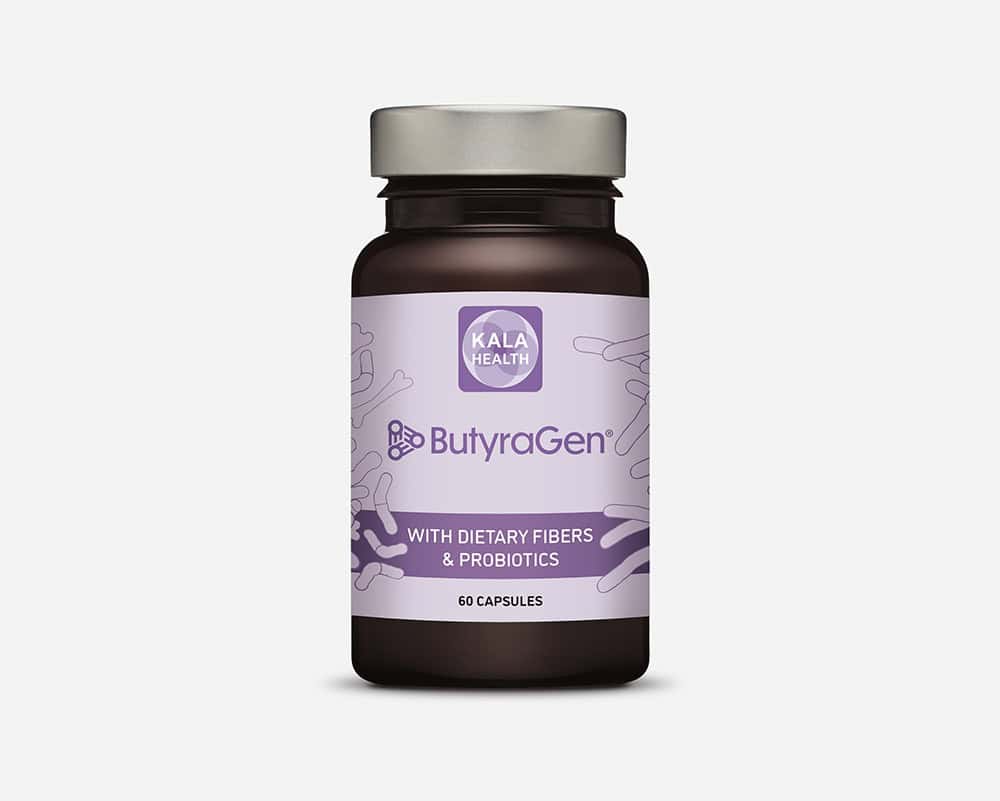
ButyraGen® Butyrate Capsules with Tributyrin
60 or 180 capsulesFrom: € 39,95 -
 Select options This product has multiple variants. The options may be chosen on the product page
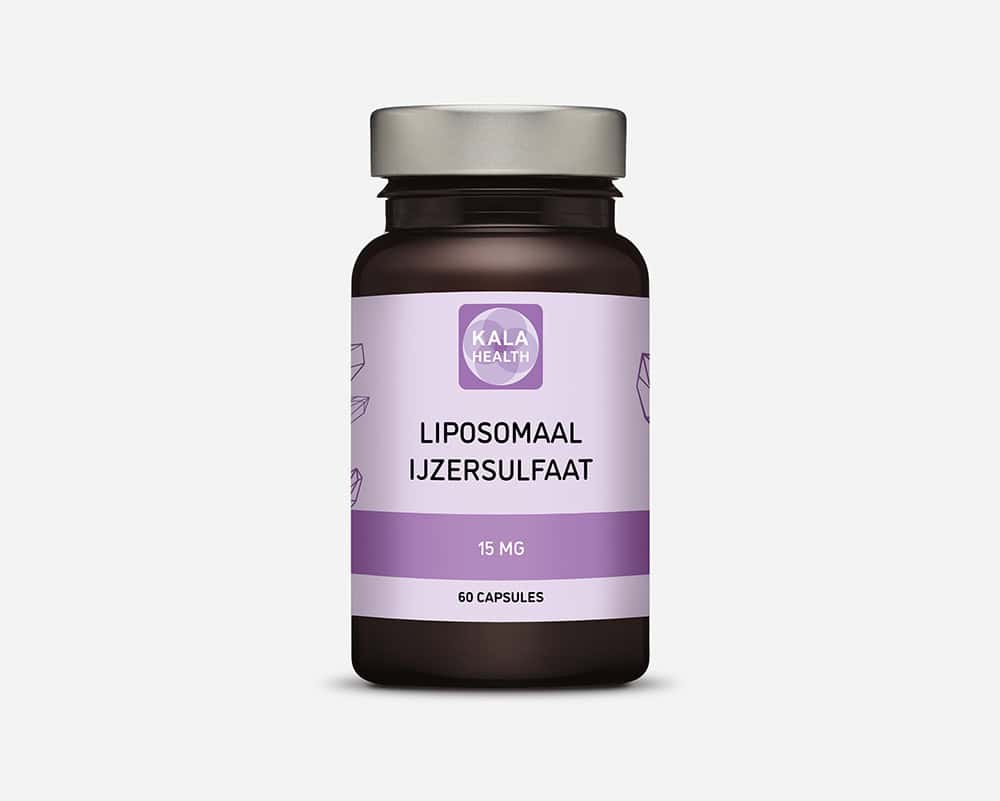
Liposomal Iron
60 and 180 capsulesFrom: € 29,95
Related Posts